
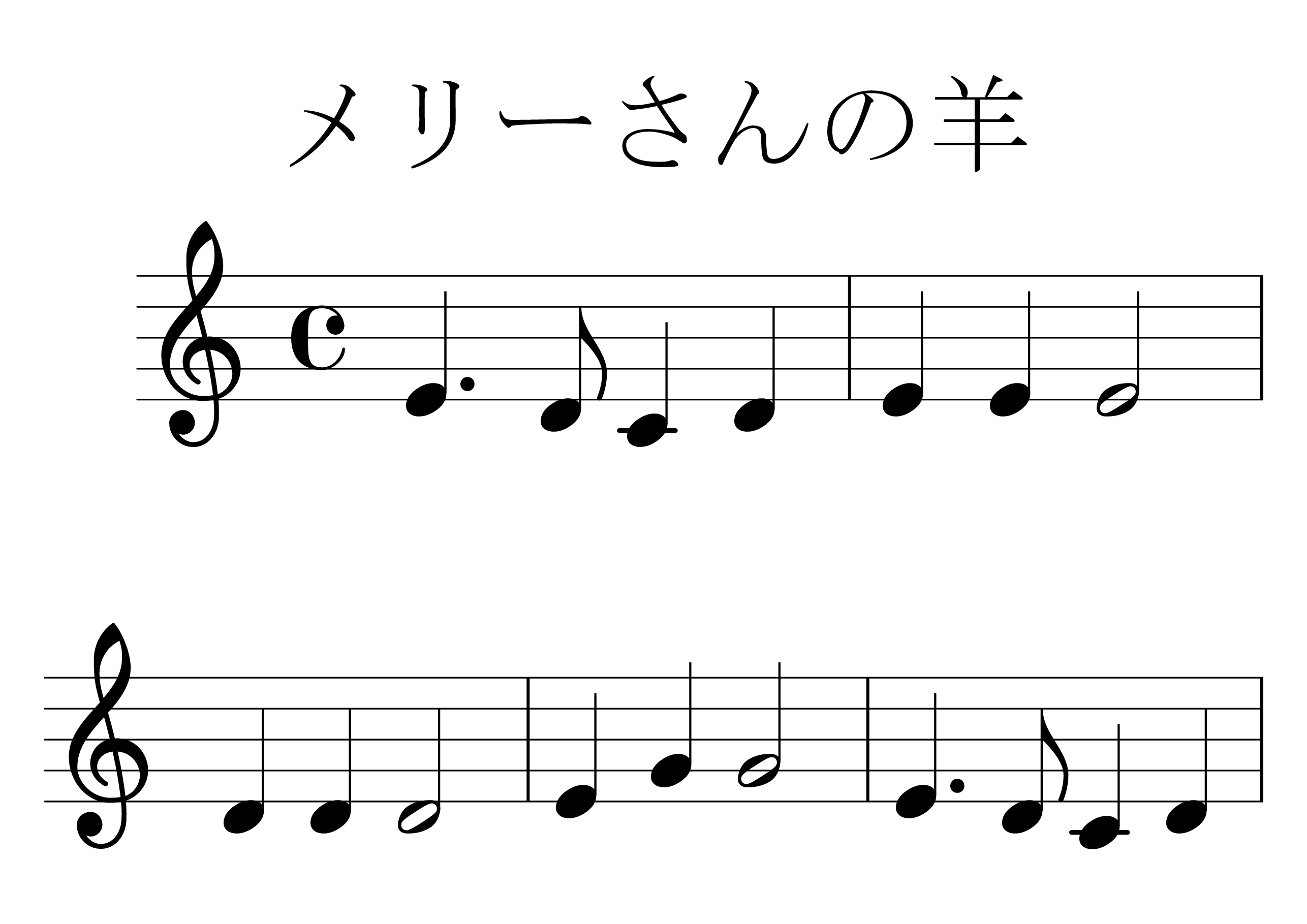
Mary Had a Little Lamb
Centered on neighboring-note motion, this is ideal for early reading and fingering practice. It helps build relaxed, even touch.
This page collects level-based piano practice videos and sheet music for beginners. You can learn with video first, then review the PDF and score images at your own pace.
Centered on neighboring-note motion, this is ideal for early reading and fingering practice. It helps build relaxed, even touch.
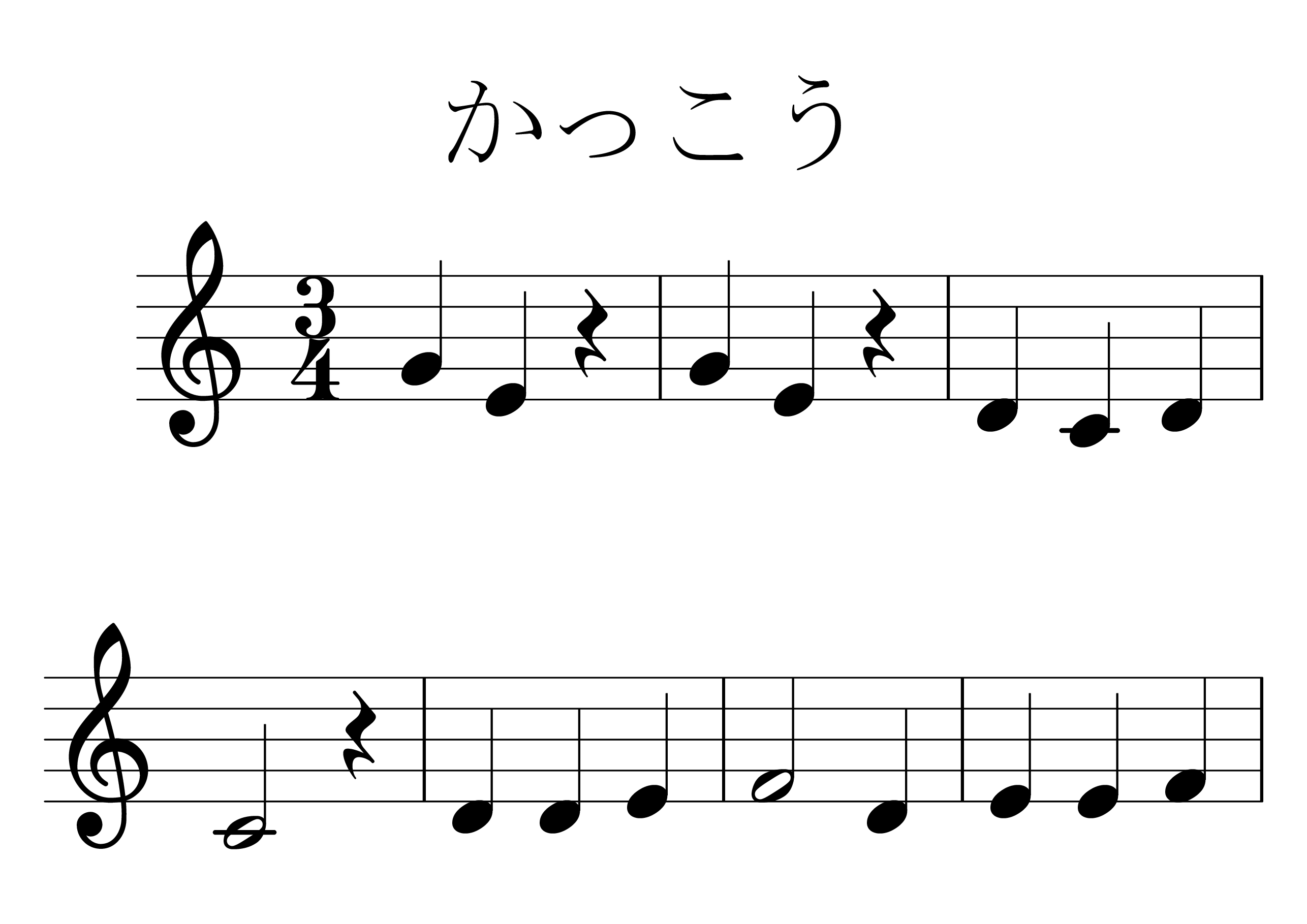
A balanced melody of steps and skips, useful for position changes and finger crossing practice. It is also good for smooth legato playing.
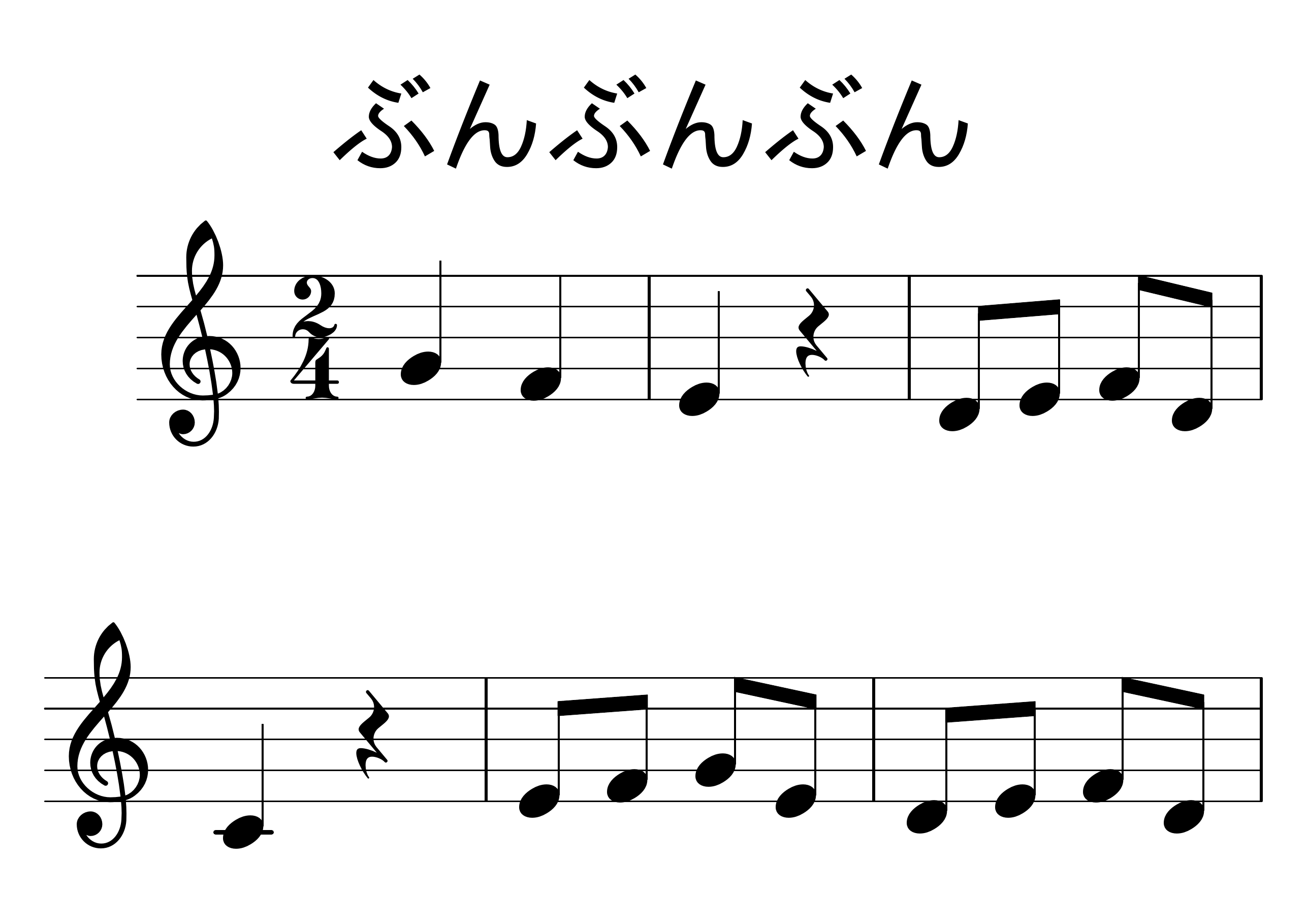
Great for practicing accurate short-note values and rhythmic precision. Counting beats while playing helps keep the groove stable.
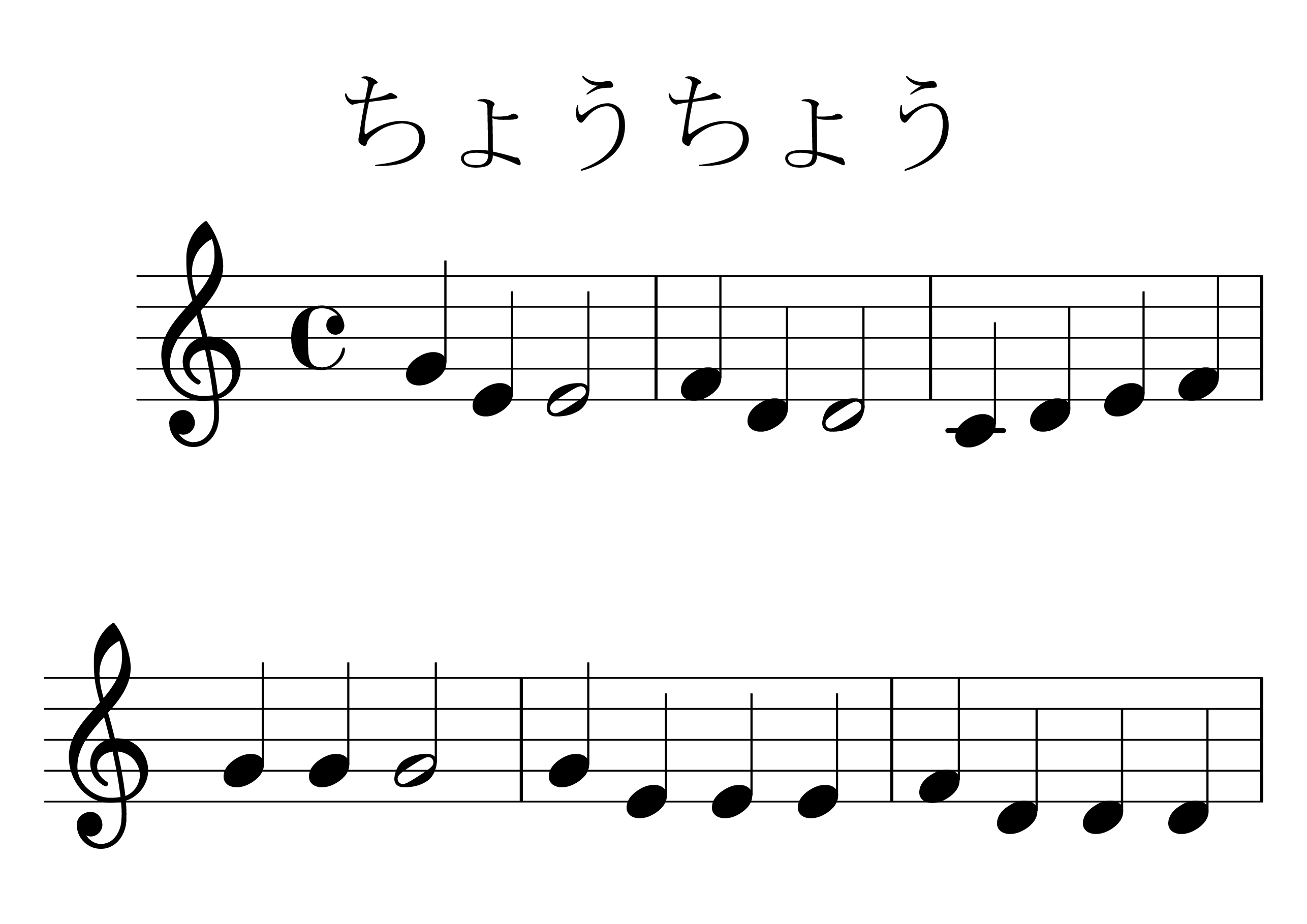
A light rhythmic tune for basic finger control and staccato touch. Aim for even tone first, then increase tempo gradually.
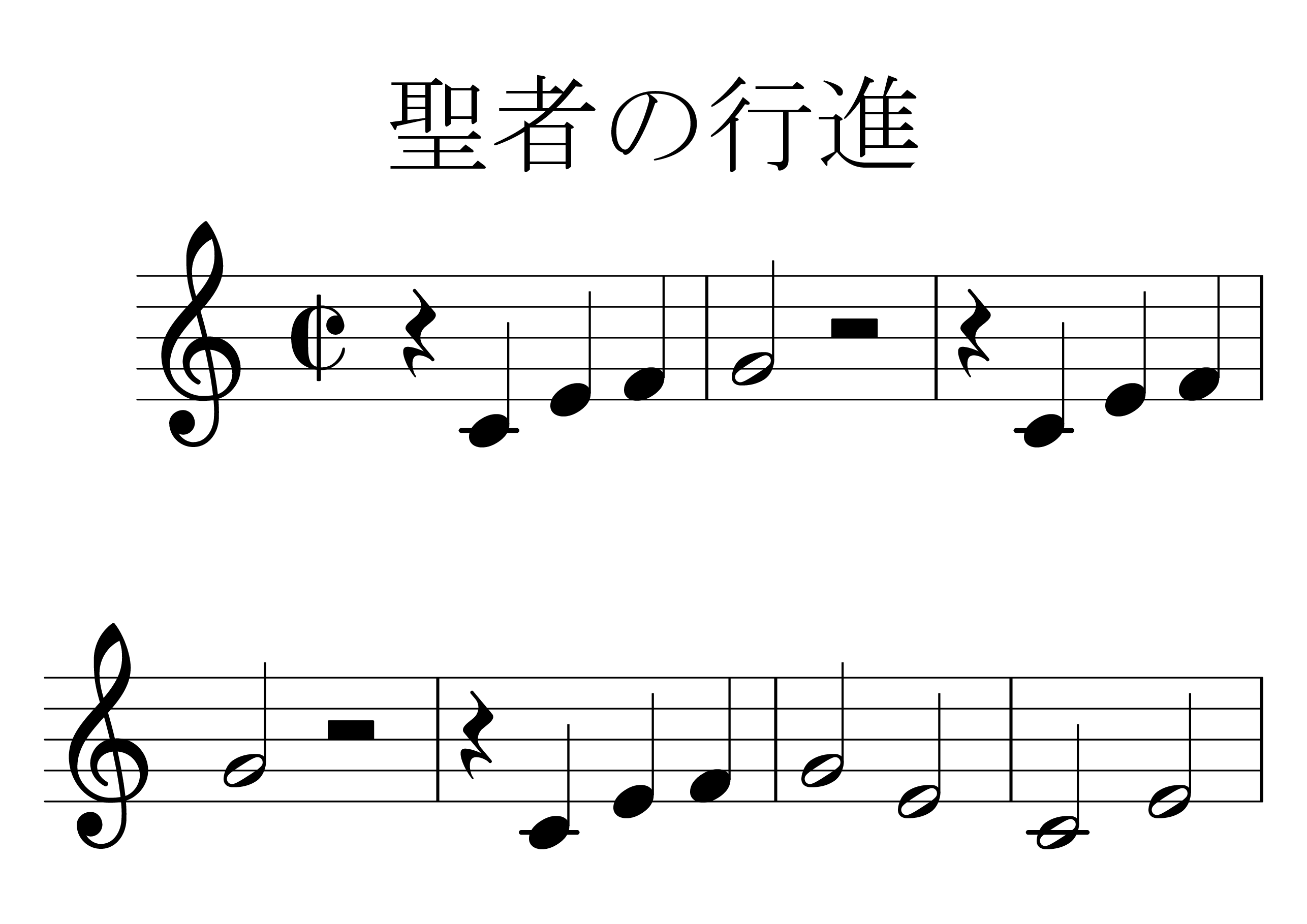
A lively tune for learning accents and phrase feel with groove. Keeping a steady beat makes performance both fun and stable.
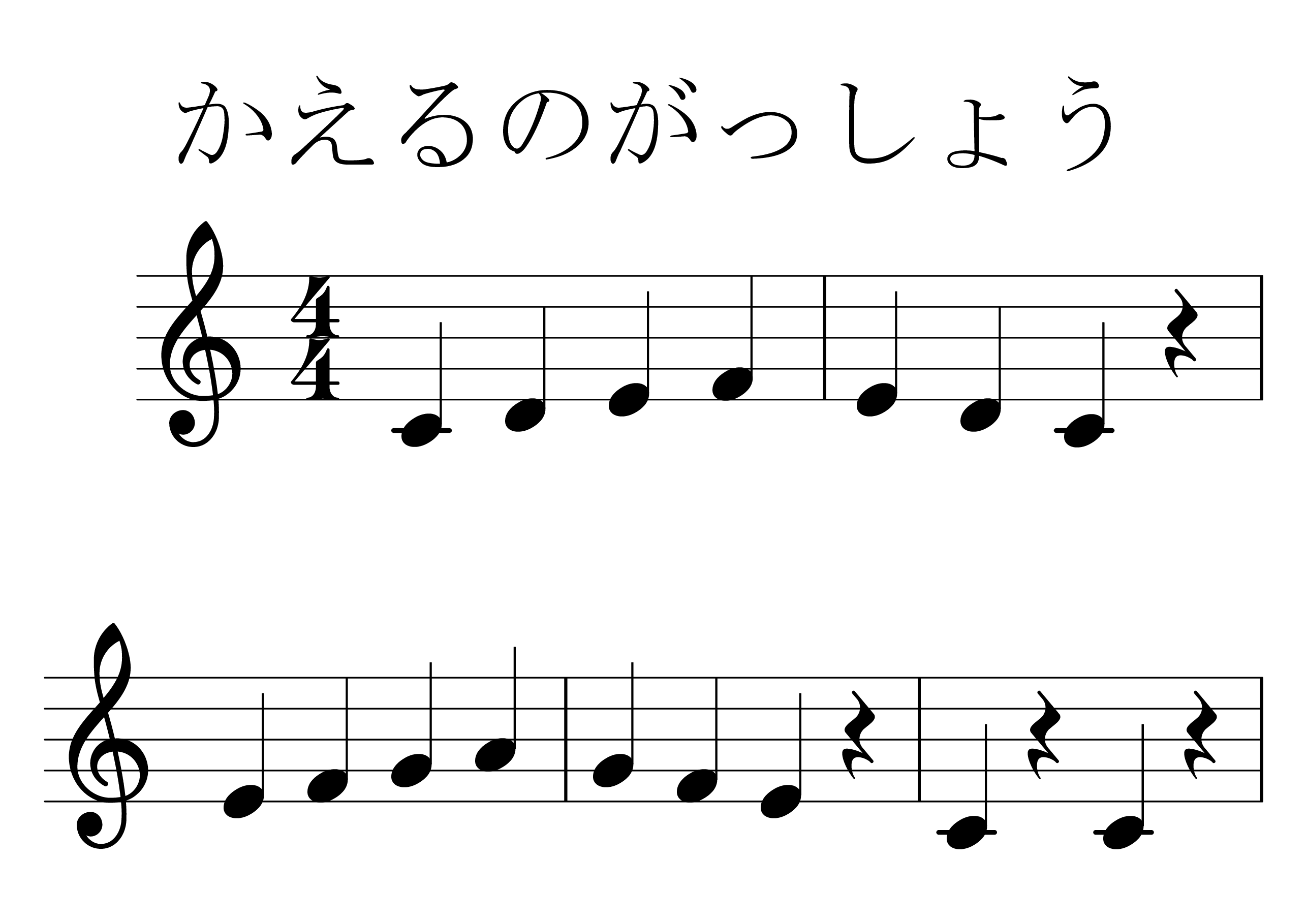
With repeating phrase patterns, this song is good for sight-reading and repetition practice. It also supports basic hand timing control.
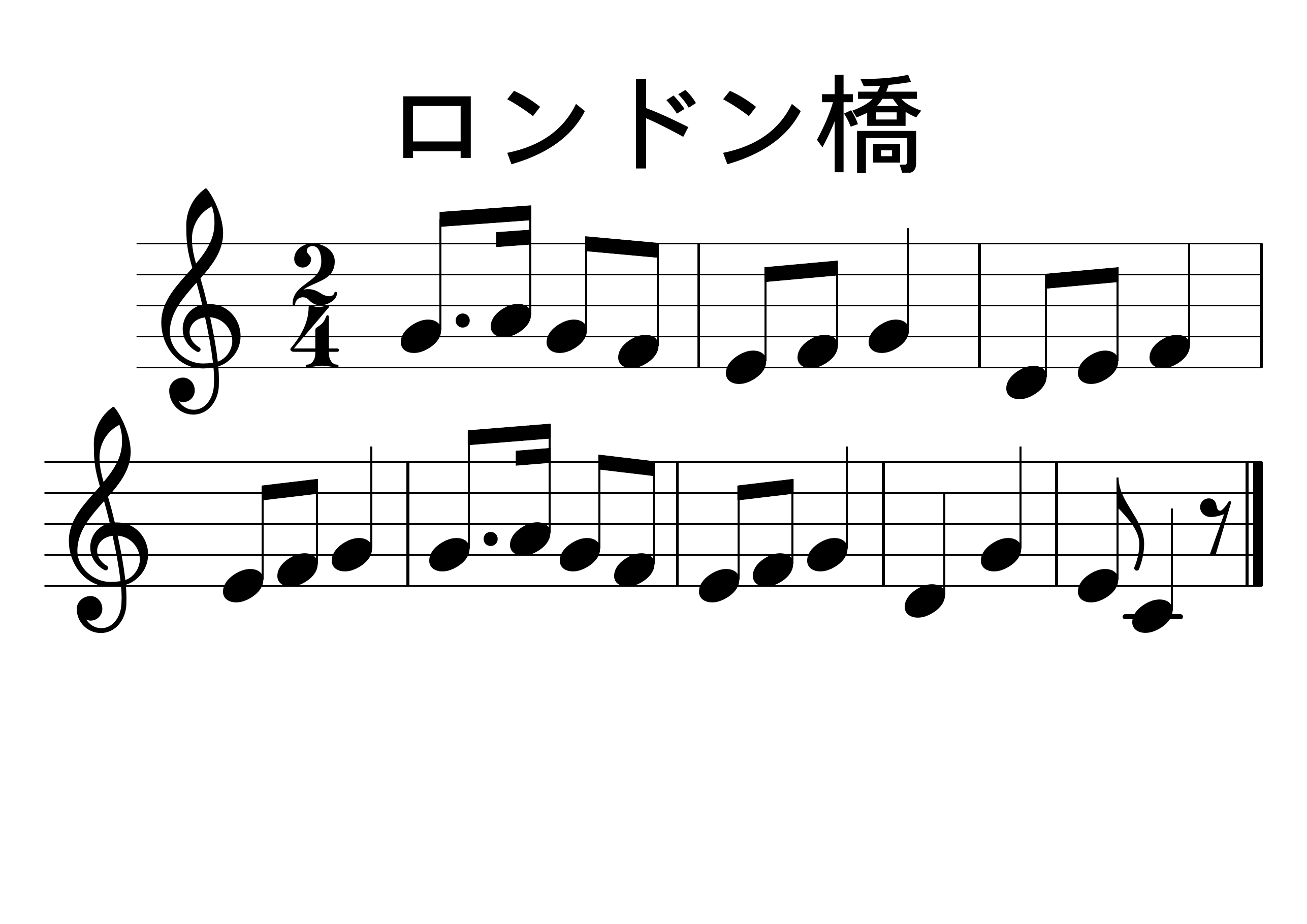
Its regular phrase structure makes it useful for repetition and tempo control. It also works well as an introductory piece for hand balance.
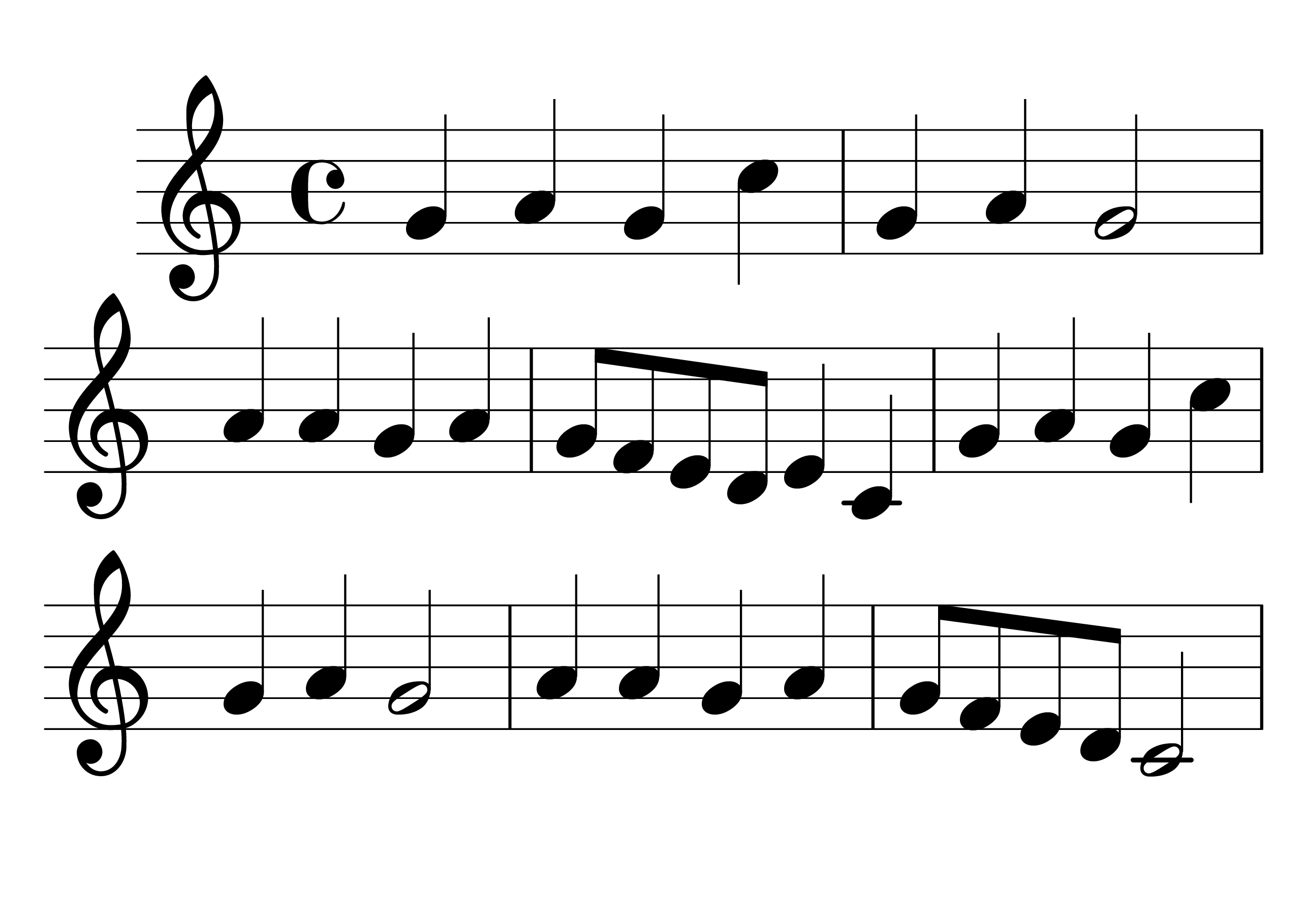
A beginner-friendly tune for practicing right-hand basics with simple melodic motion. Focus on steady tempo and clean fingering.
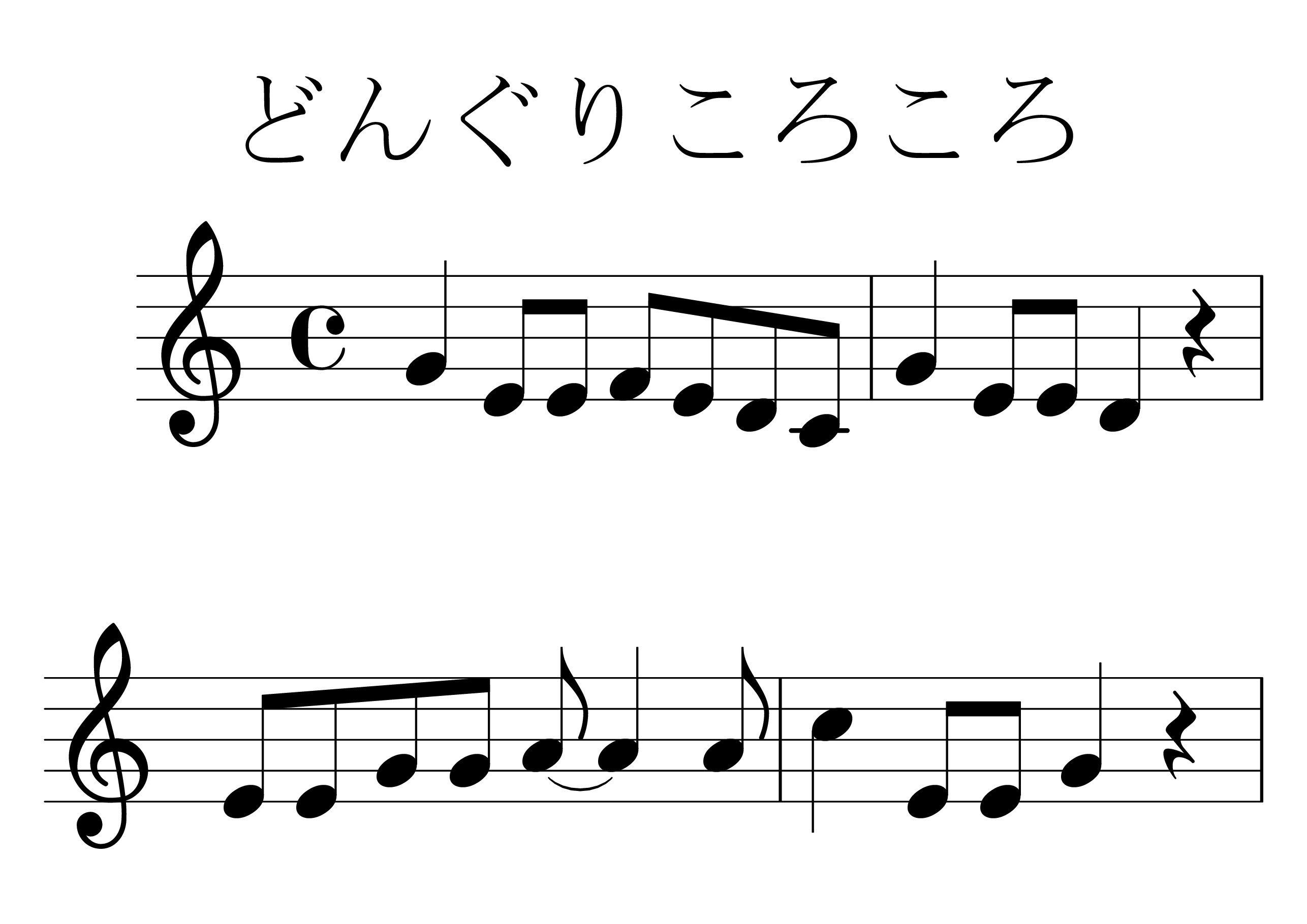
Because the motion keeps rolling forward, it is a good piece for passing the fingers smoothly without stopping the flow. If you shape the rise and the ending of each phrase, the music becomes more expressive.
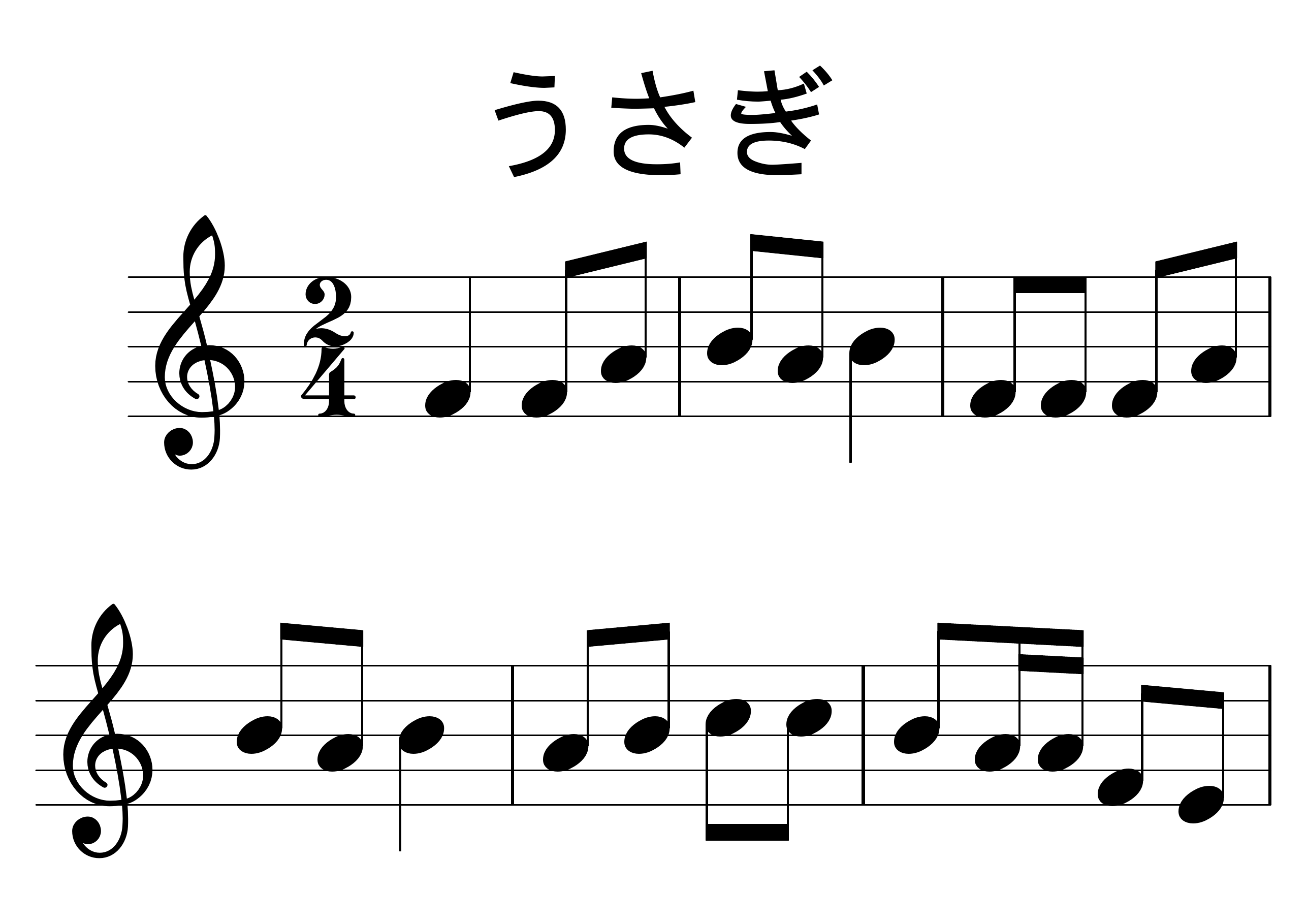
A traditional Japanese song that makes expressive use of silence. Feel the pulse through every pause and let each individual note resonate.
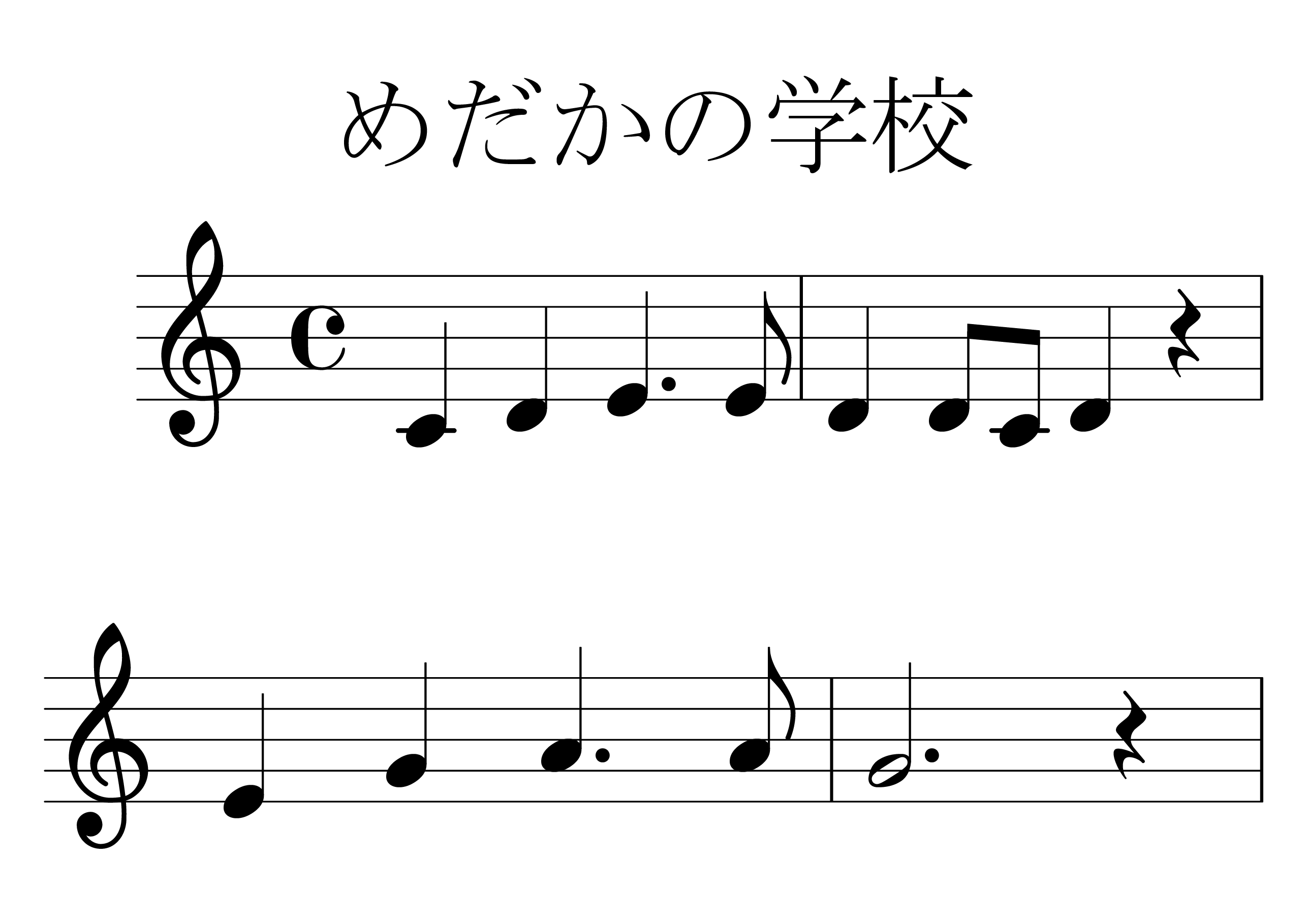
With many short exchanges of phrase, this song is useful for practicing singing tone and the timing of small pauses. It sounds natural when played softly while feeling the pattern of question and answer.
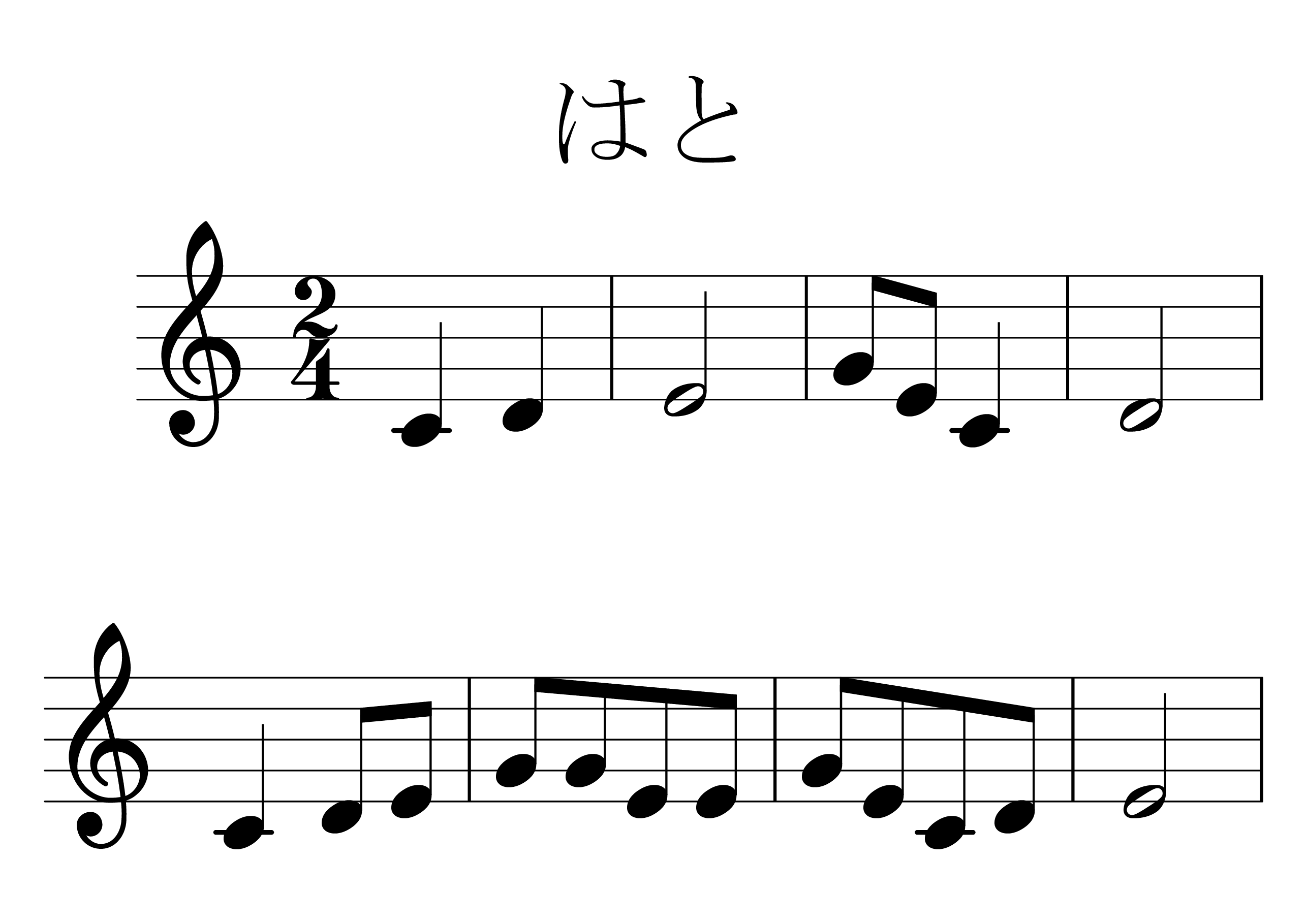
With many repeated and neighboring notes, it is suitable for first reading practice and basic hand coordination. Aim for an even tone and gentle touch.
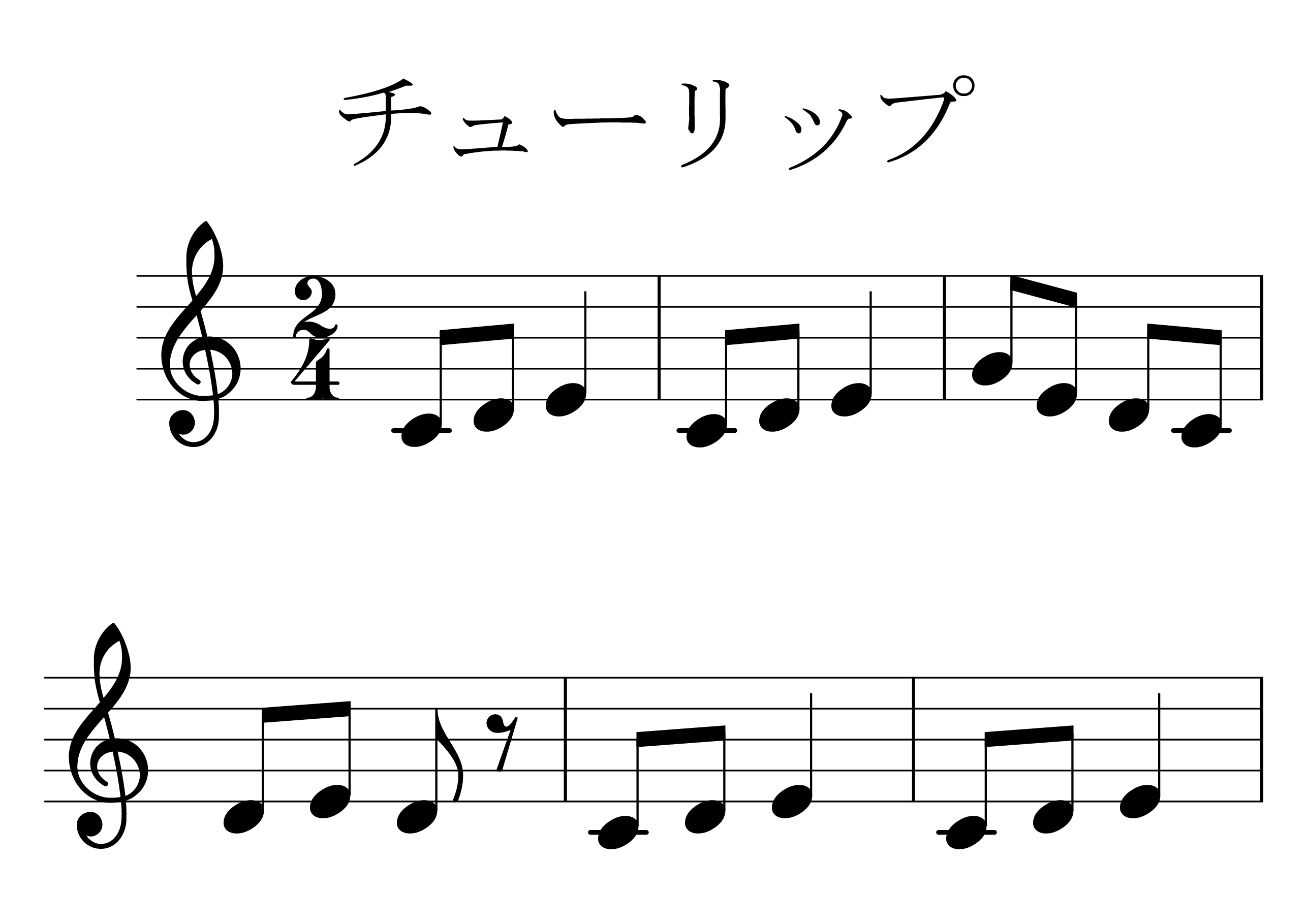
Because it uses only a few notes and its singing shape is easy to feel, it is well suited to an early beginner stage. Listening carefully to pitch changes and using a gentle touch makes it sound clear and pretty.
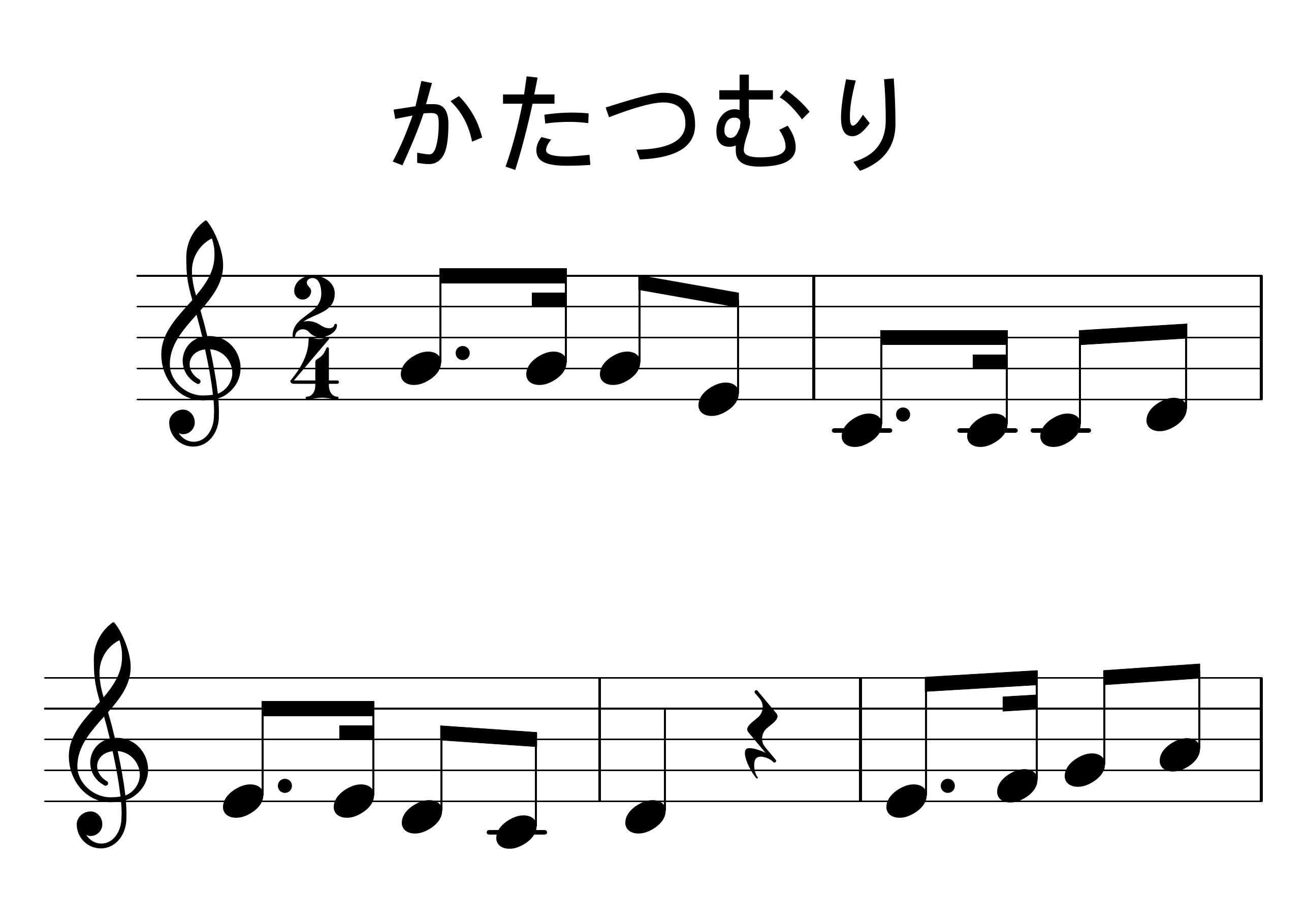
With many repeating note patterns, this song is useful for building steady tempo and basic finger changes. Practice it in short phrases with a calm, even pulse.
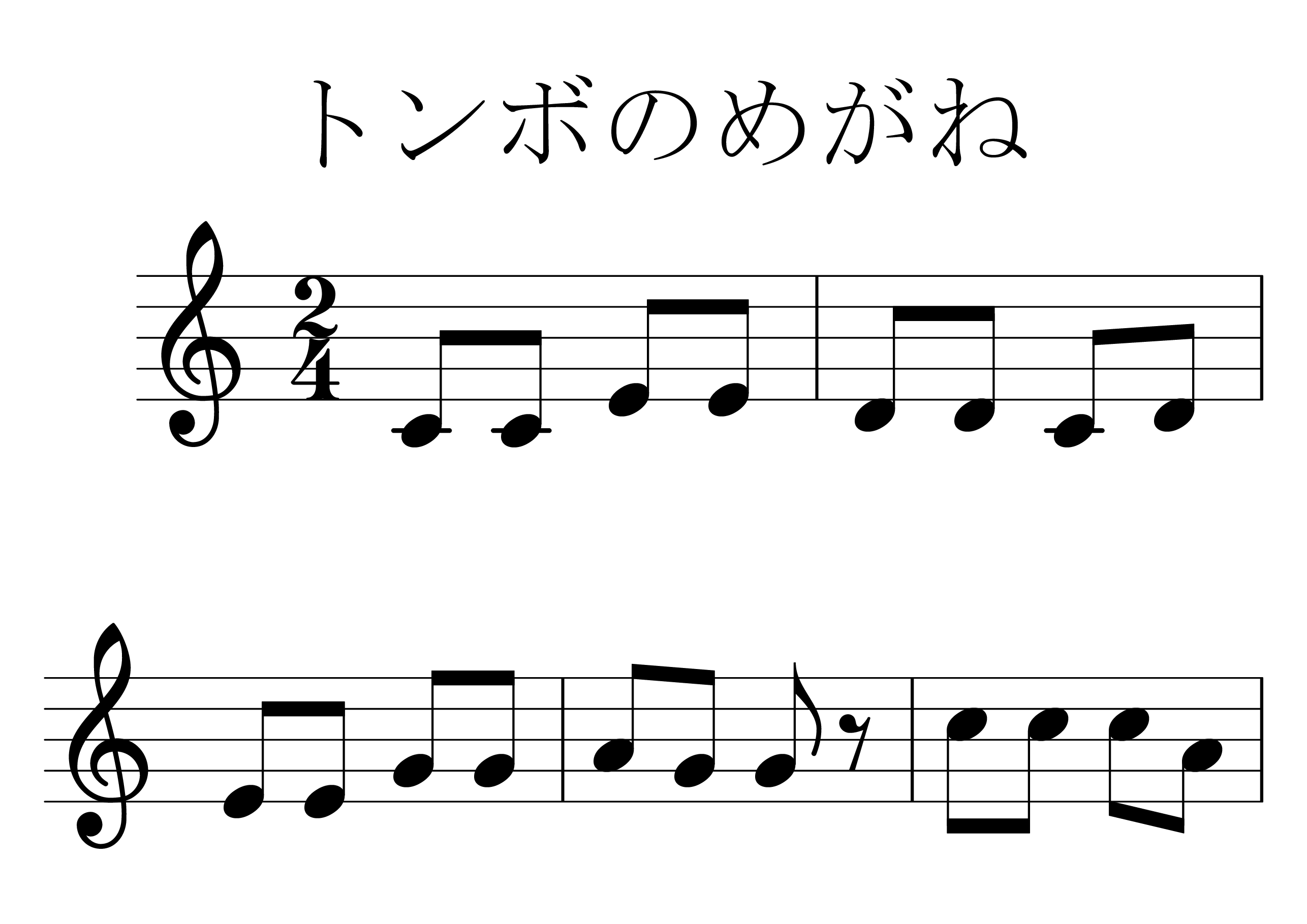
Its light phrases make it useful for practicing a bright pulse and a lightly detached touch. The contrast between shorter notes and connected notes brings out the character of the piece.
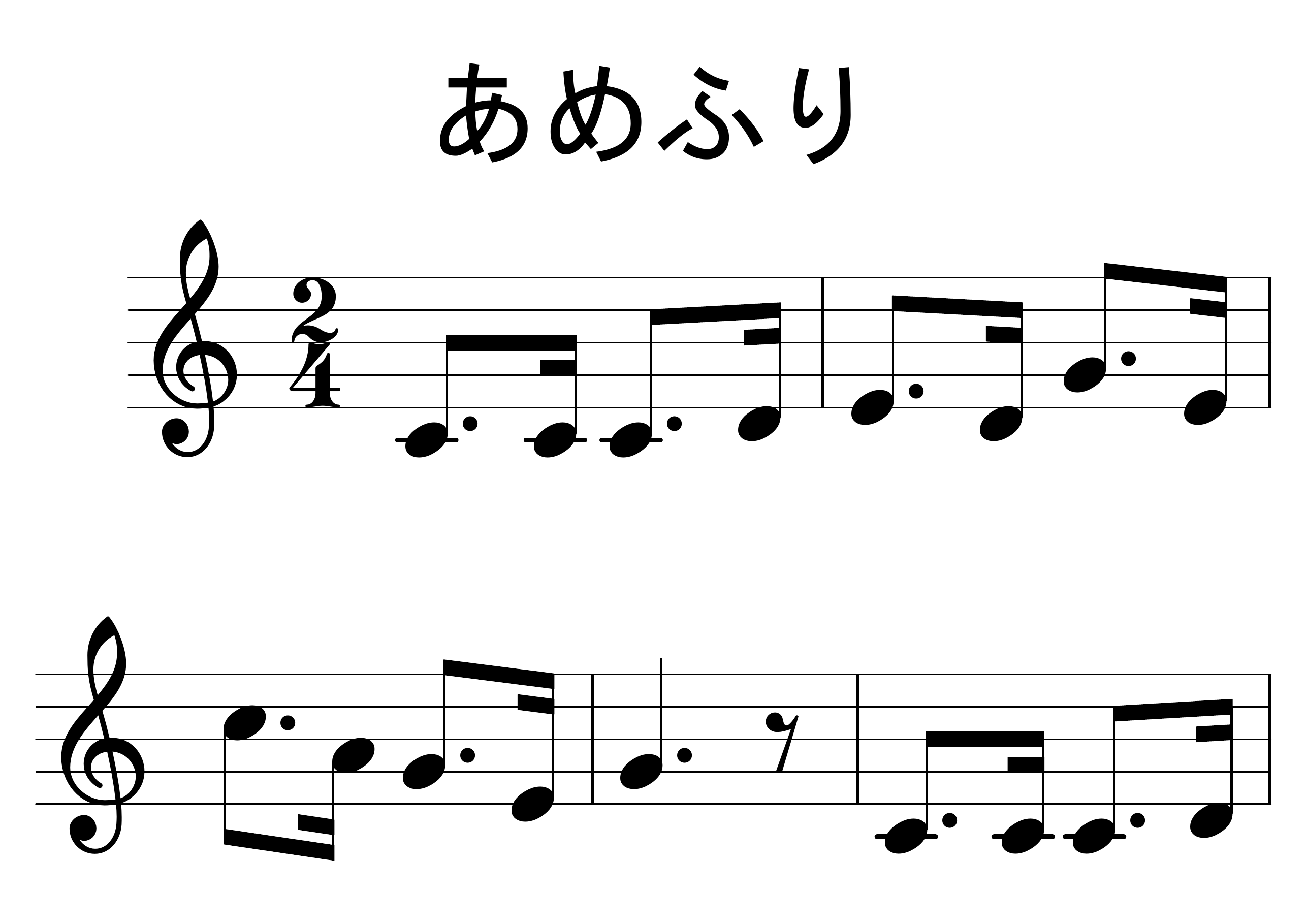
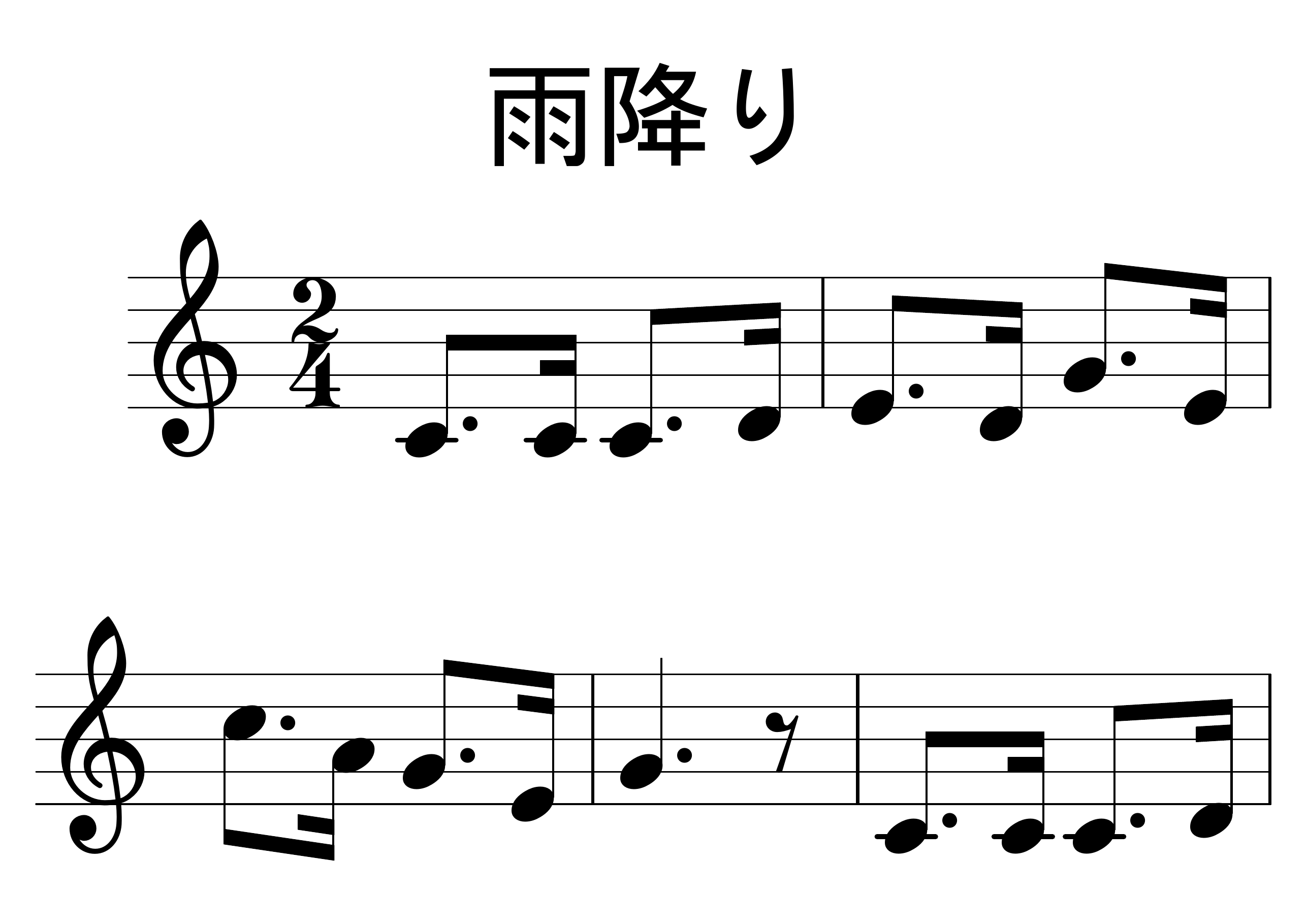
A cheerful children’s song about enjoying a rainy day. Keep short notes light and even, and play with a clear, buoyant rhythm.
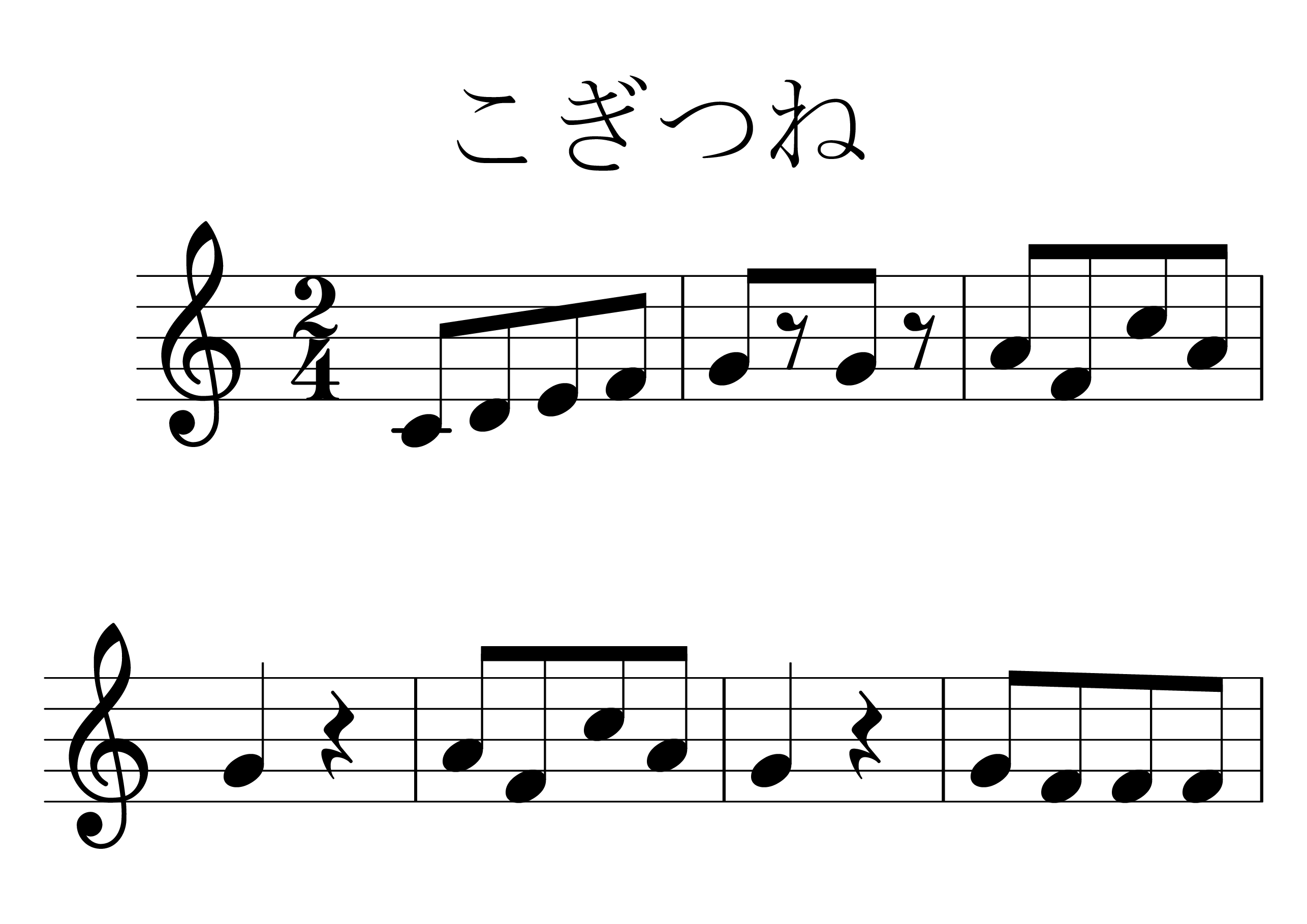
Its lively motion and repetition make it good for practicing light touch and quick finger response. Clear rhythm brings out the playful character.
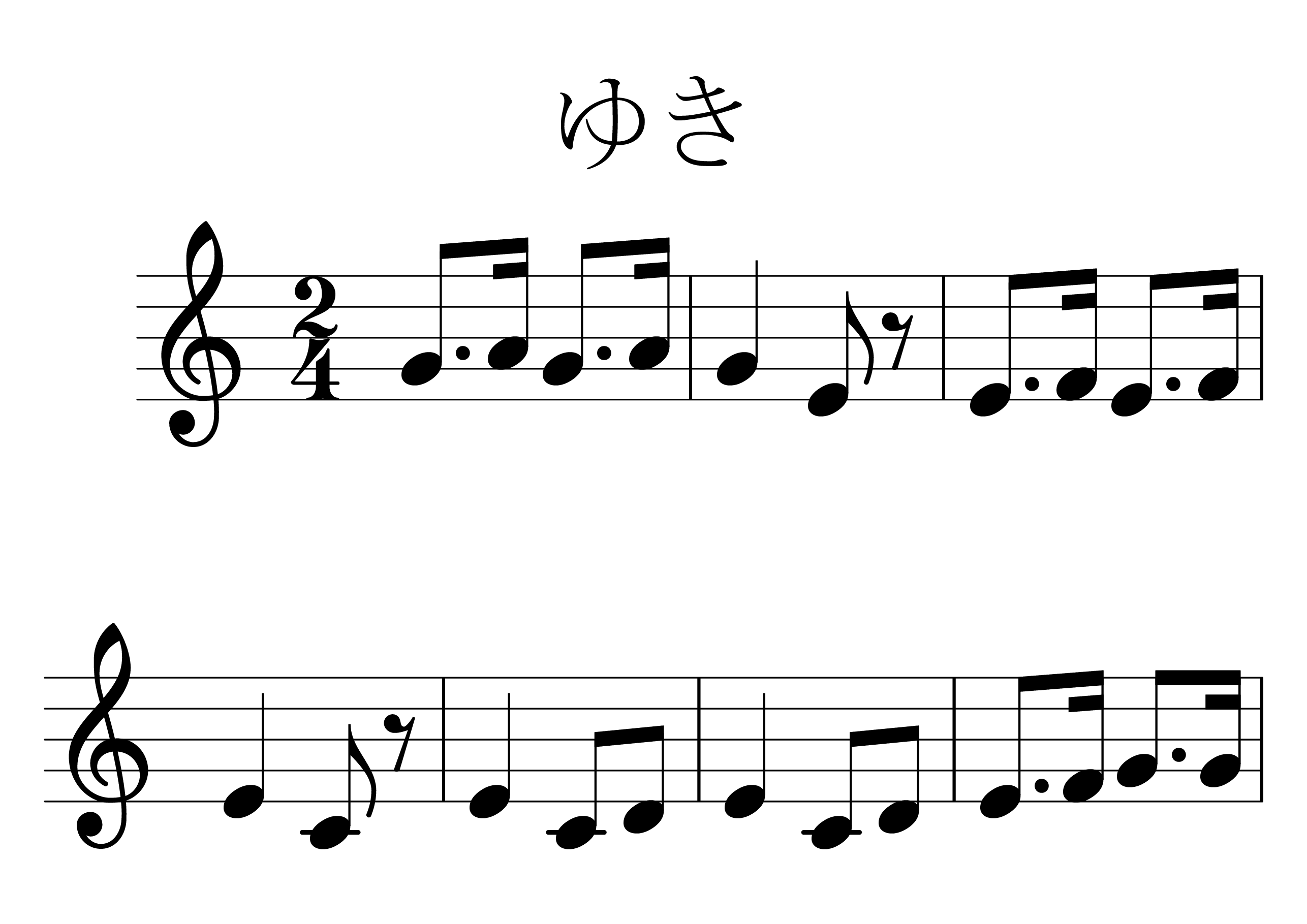
Its simple melodic flow makes it suitable for practicing smooth connection while feeling the beat. A little dynamic contrast helps create a quiet winter mood.
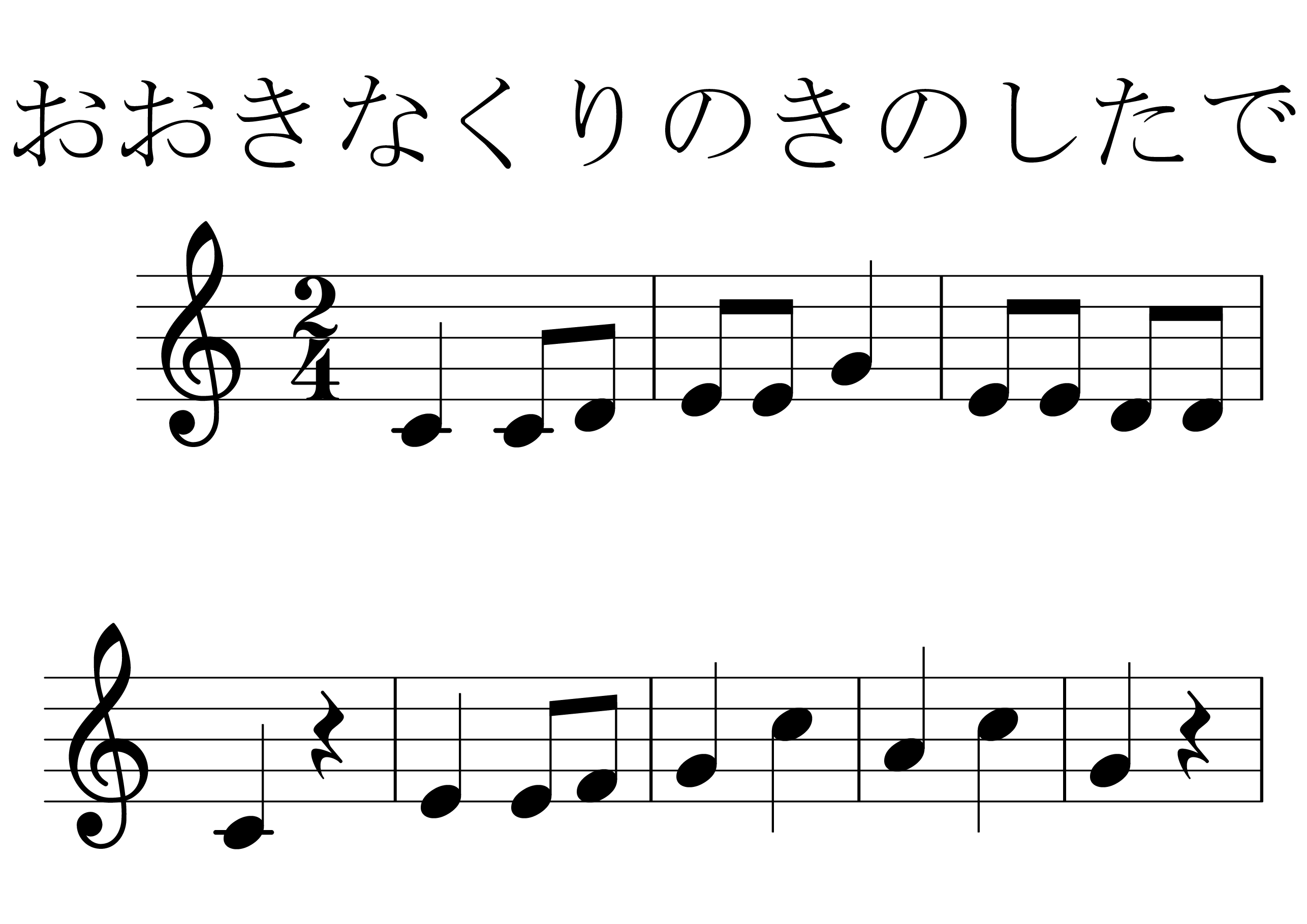
A simple tune that helps learners feel melodic up/down motion and triple meter. Emphasizing the first beat improves stability.
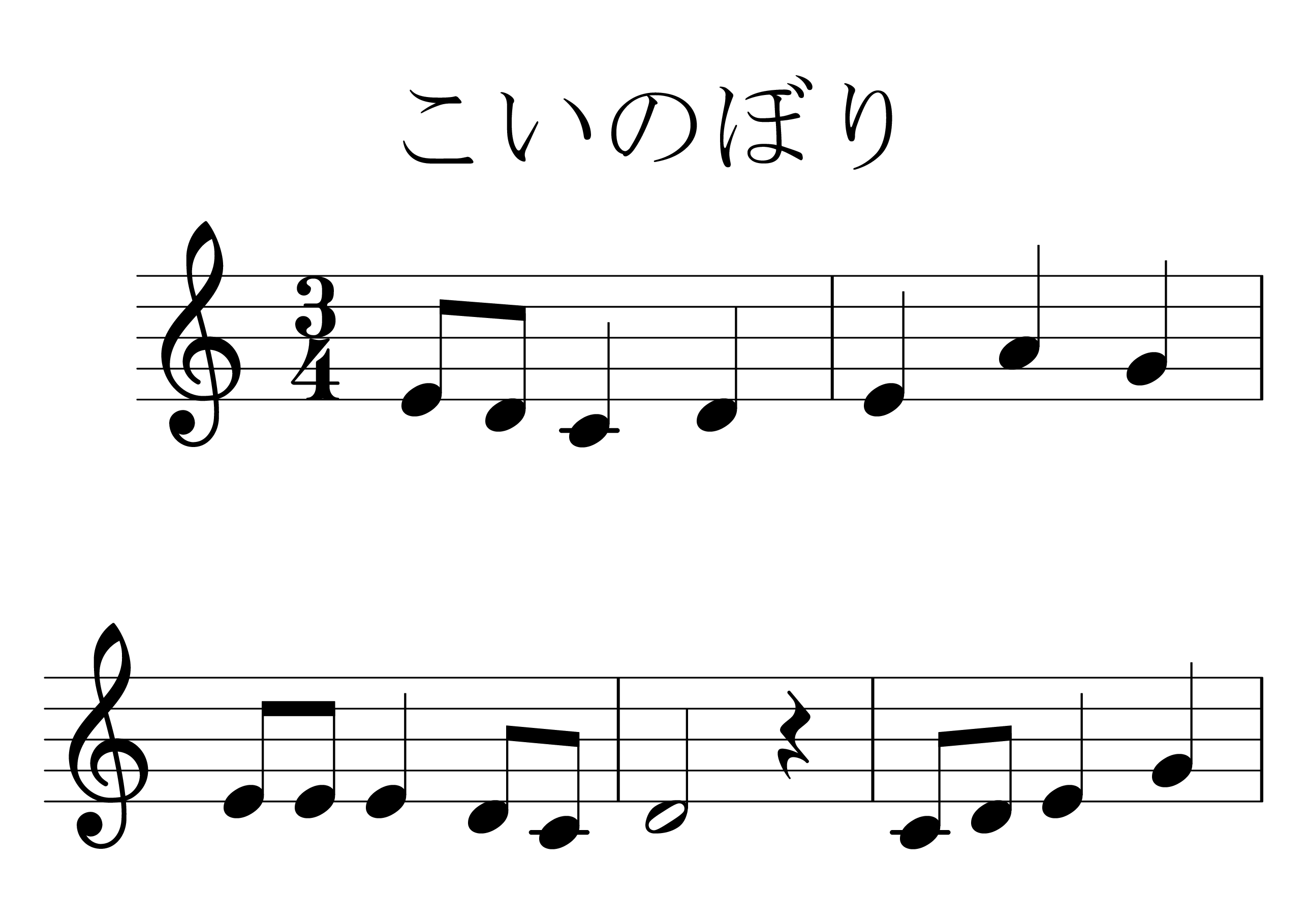
Its broad, flowing melody is ideal for shaping phrases and playing with a singing tone. Connecting the longer notes carefully helps the musical line feel natural.
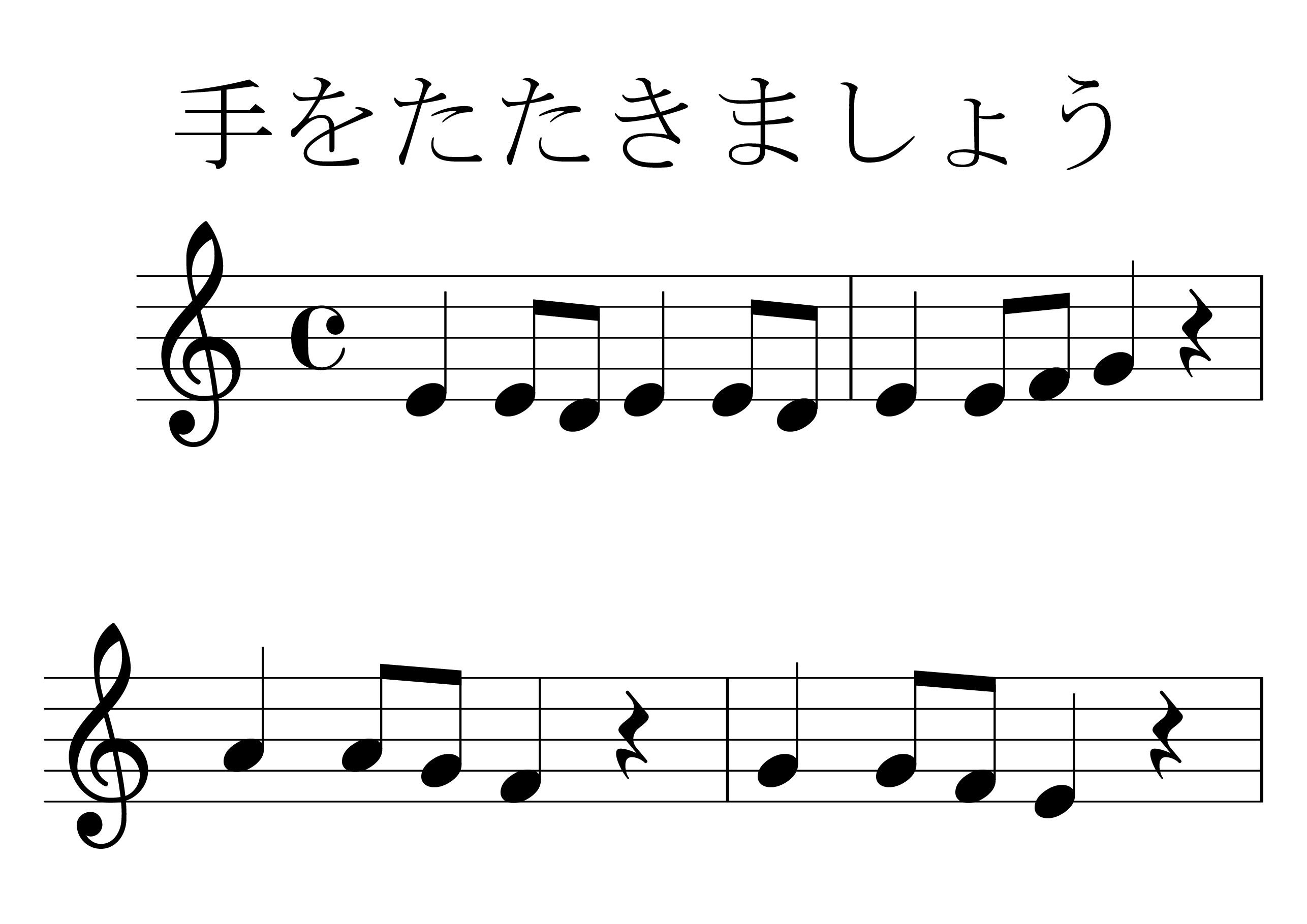
This piece is ideal for aligning the main beats while imagining the hand-clapping motions. Adding simple accents and dynamics makes the performance more expressive.
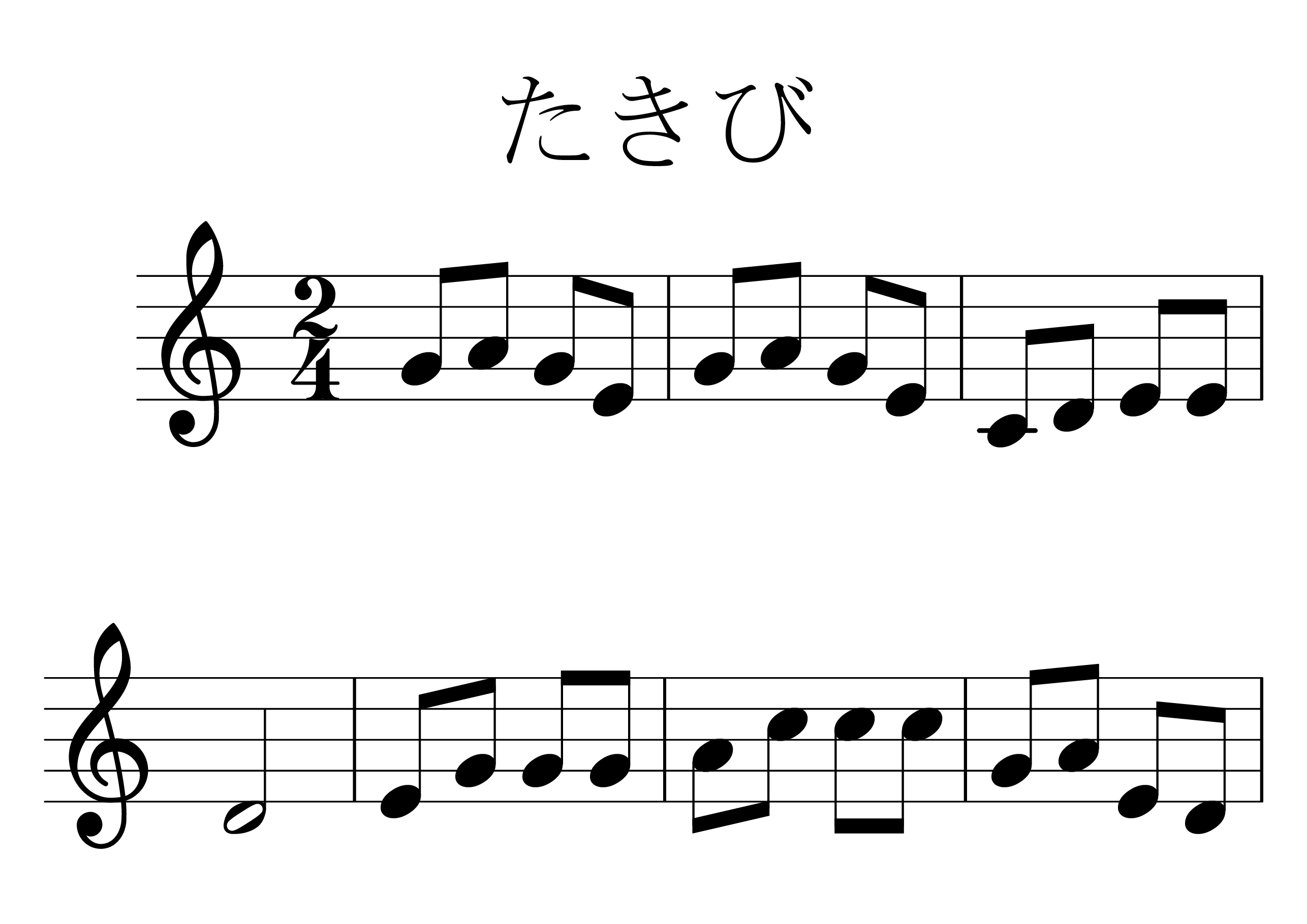
Its beat is easy to feel, so it works well for matching the rhythm between the hands. Keeping the pulse clear and placing the note beginnings together helps the whole piece sound organized.
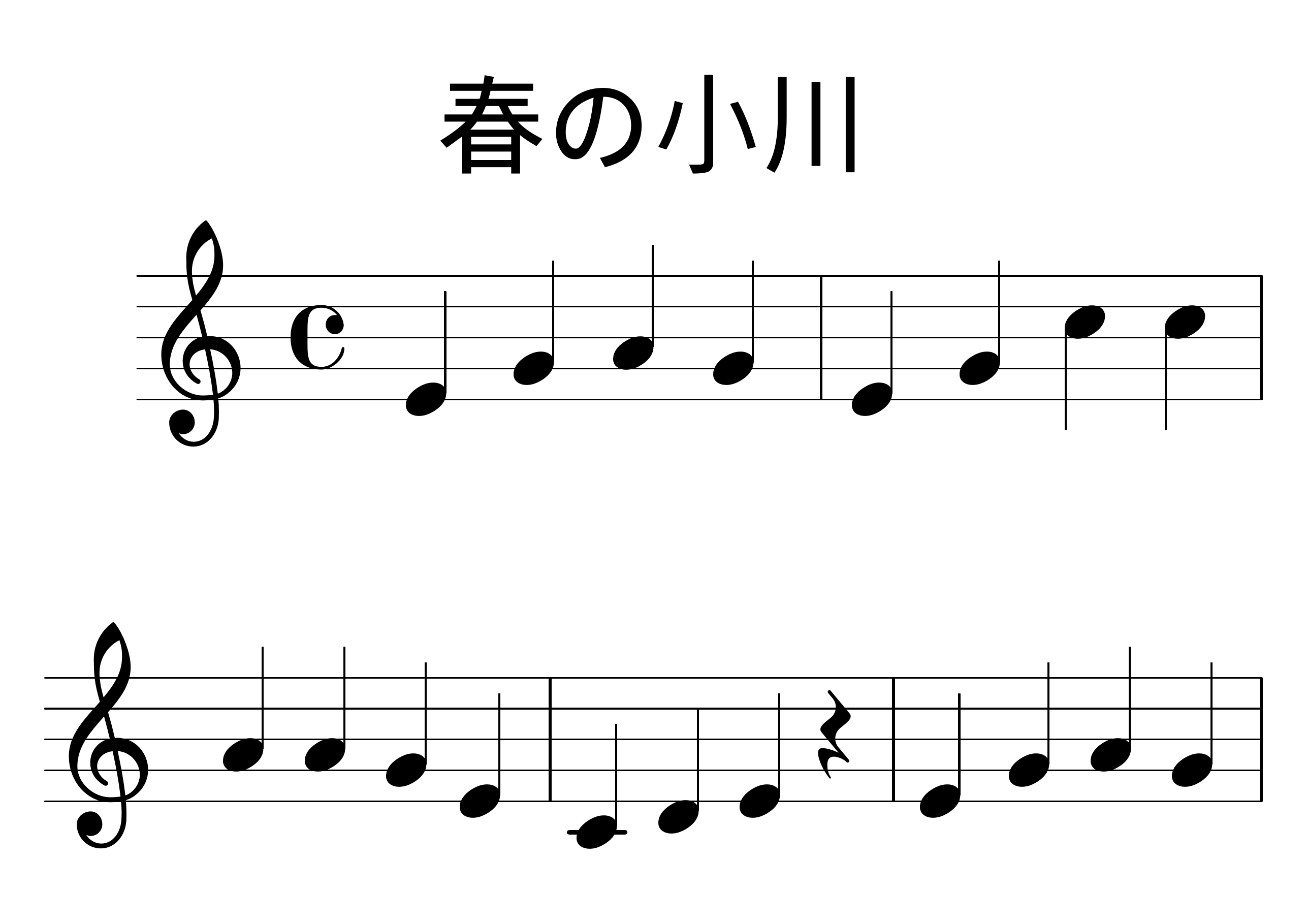
Its flowing melody makes it a good piece for learning smooth finger motion and breathing in phrases. If you connect the sounds without rushing and keep a gentle pulse, the music settles naturally.
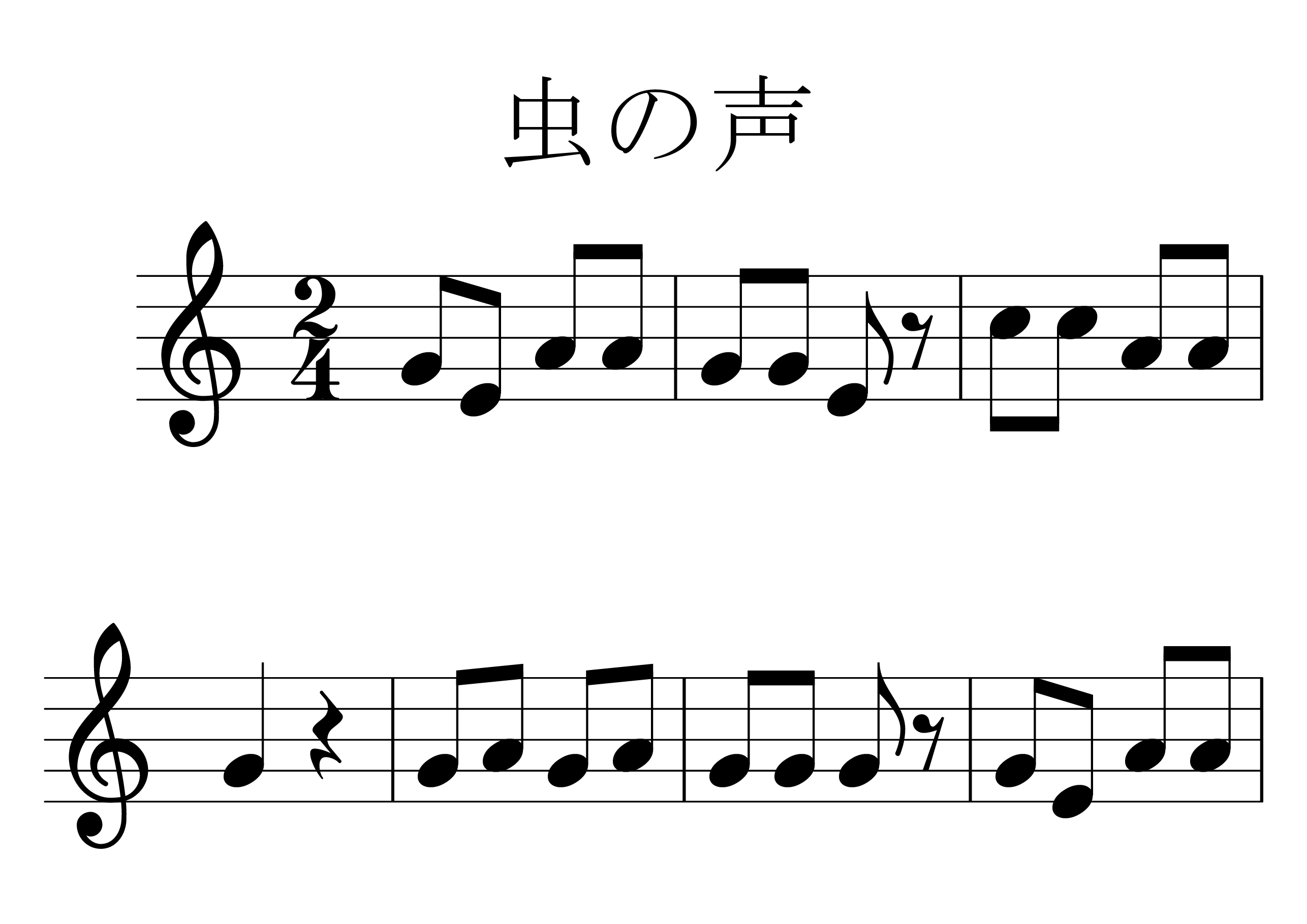
Its quiet atmosphere and small-note motion are helpful for practicing soft touch and balance between notes. Paying attention to the rests makes the mood more vivid.
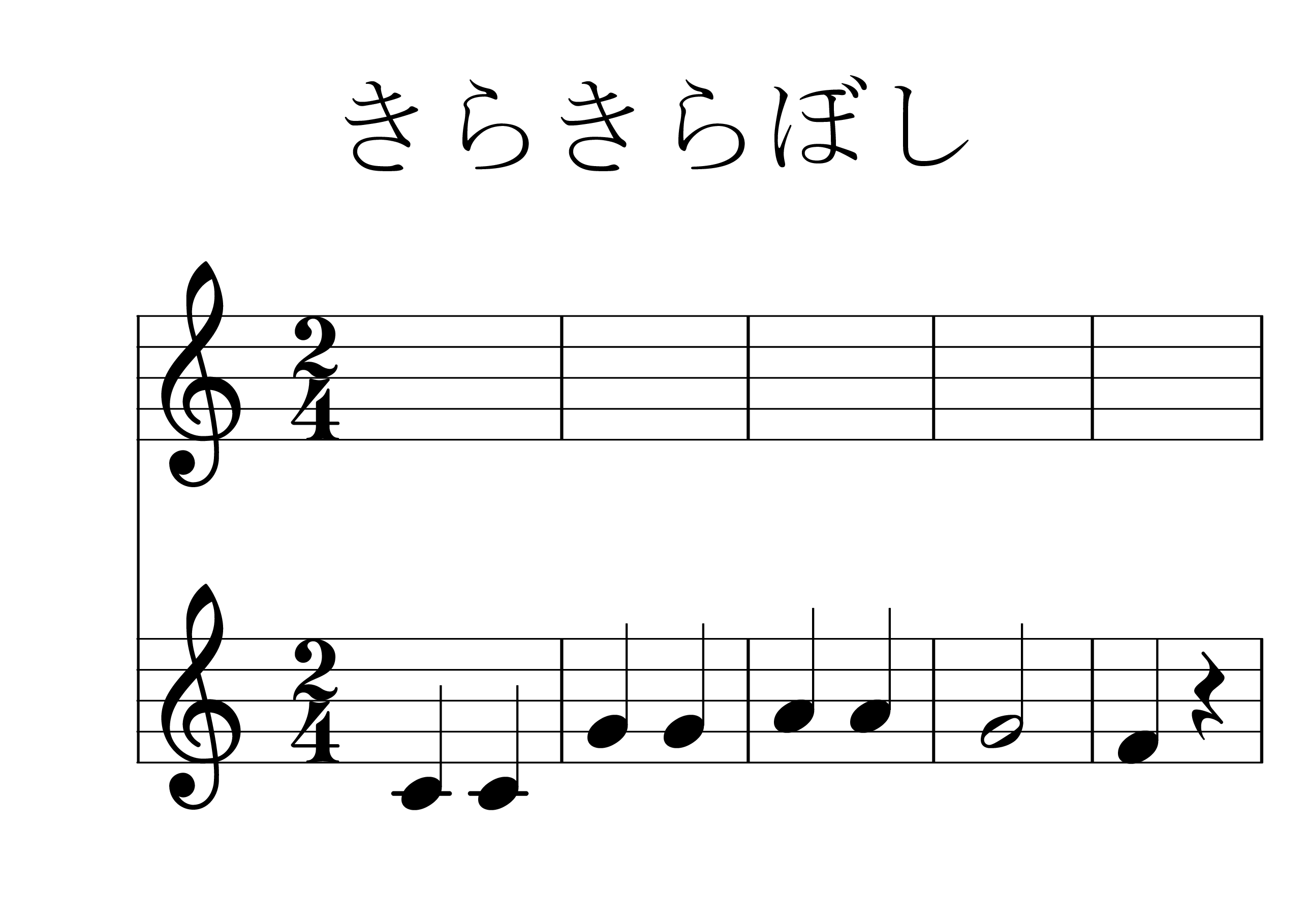
A familiar melody ideal for linking note names to keyboard positions. It is effective for building steady-tempo fundamentals.
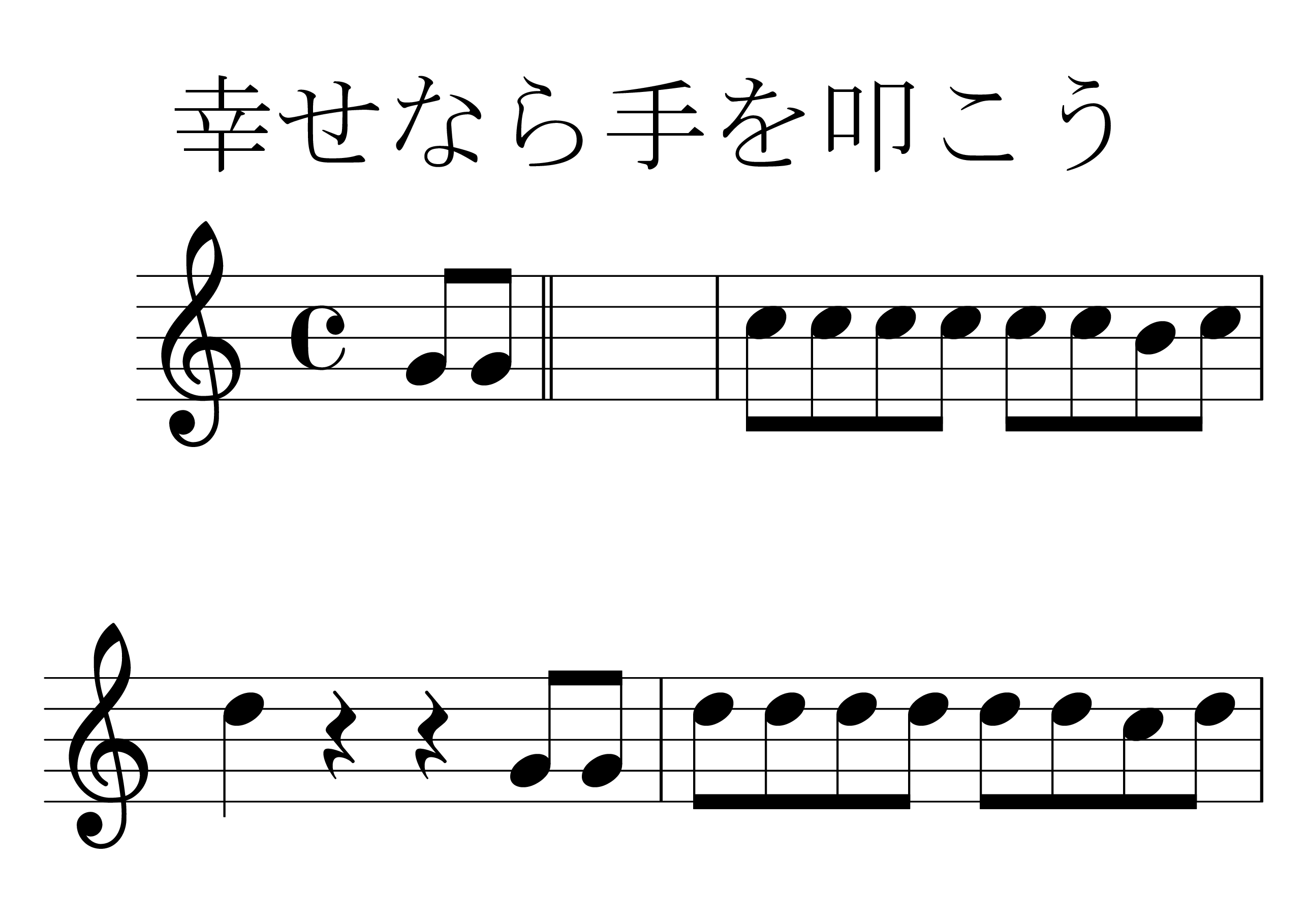
This familiar tune is great for playing with a strong, steady beat and clear rhythm. Imagining the actions in the song helps keep the tempo lively and stable.
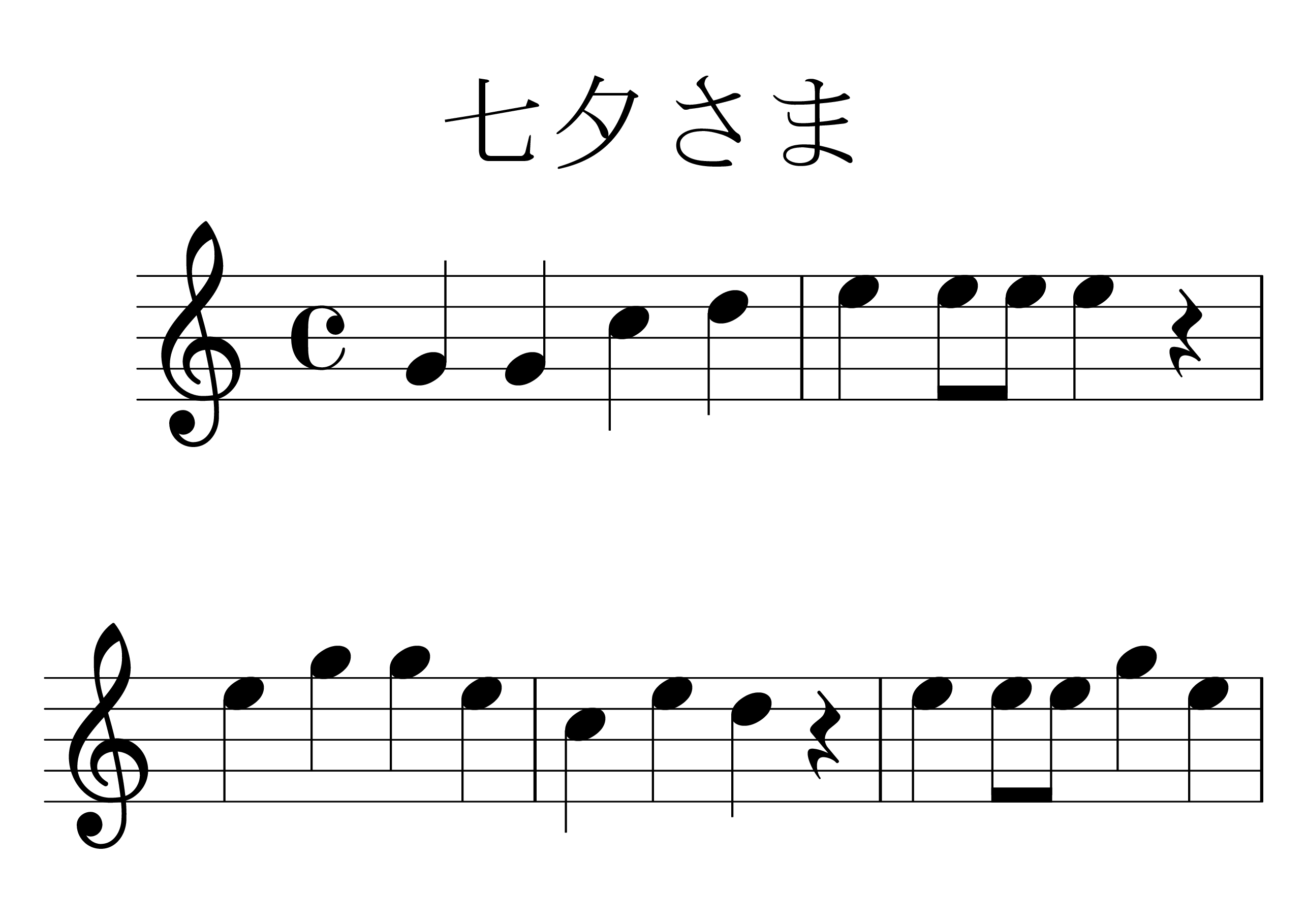
Its gentle flow makes it useful for learning to sing through longer notes without rushing. Keeping the pulse calm and letting the phrase endings settle softly helps create the right atmosphere.
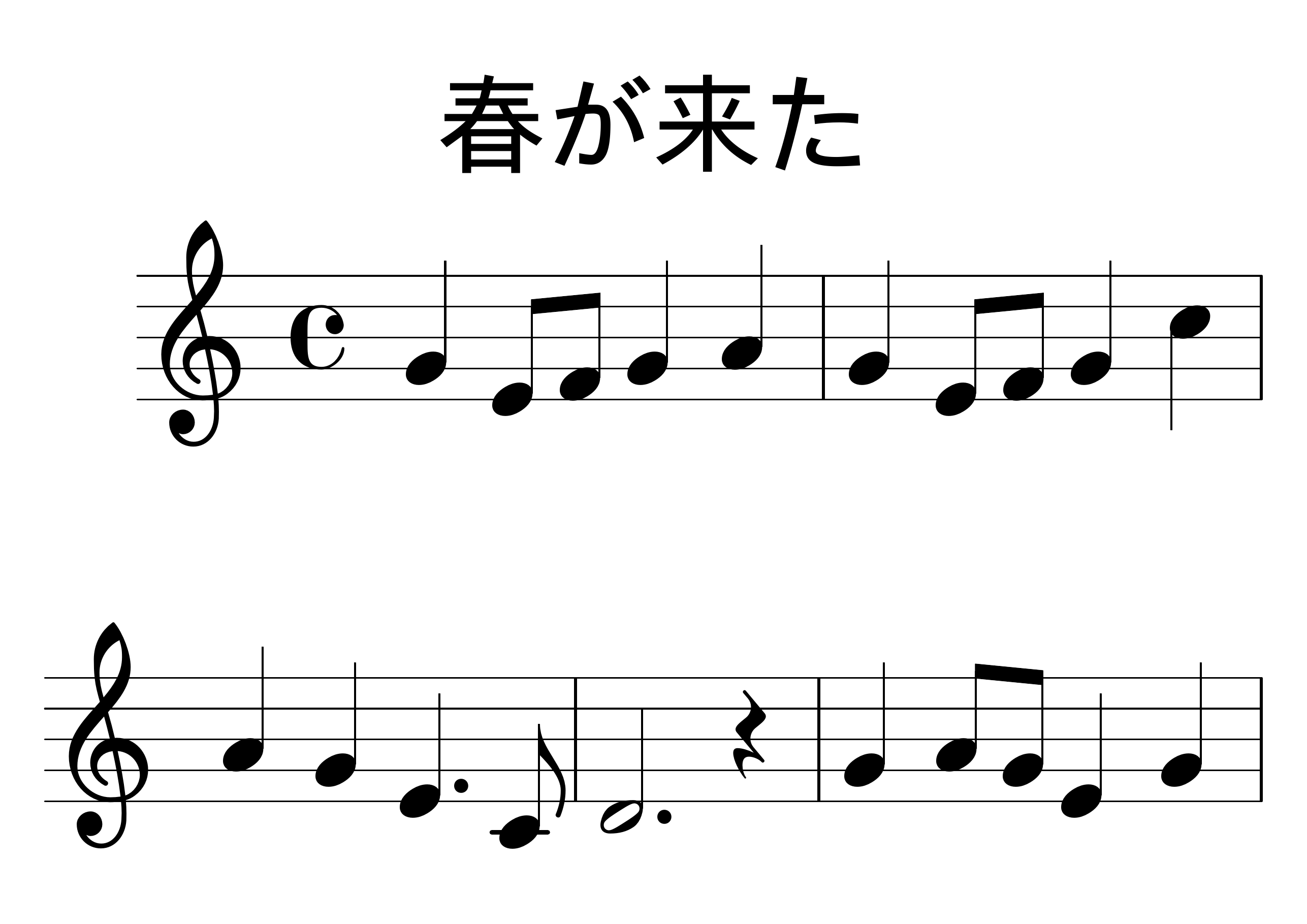
Because it uses friendly patterns, it is a useful basic piece for playing brightly in a steady tempo. If the note beginnings are aligned and each phrase break is clear, the whole song comes together easily.
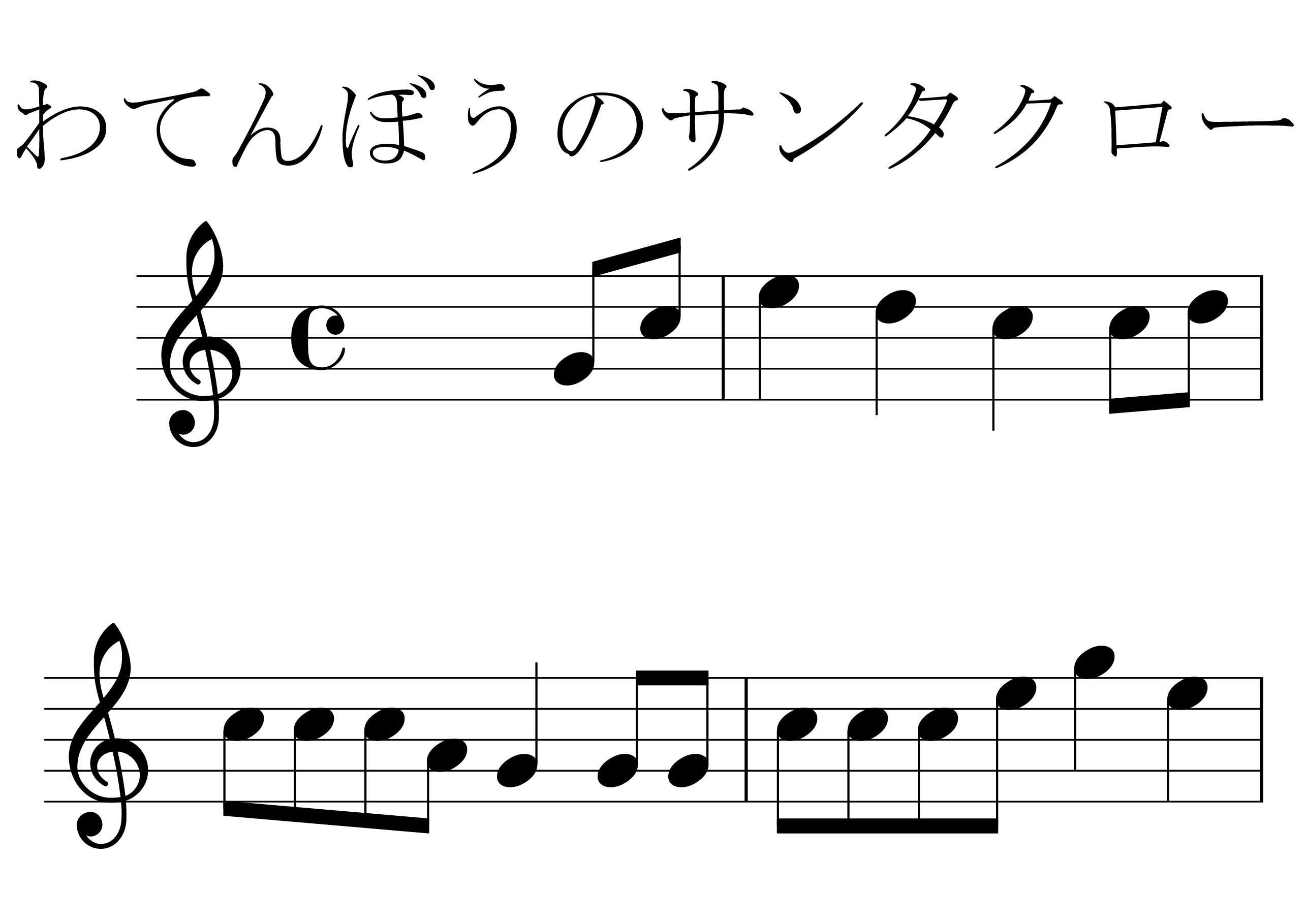
This cheerful song moves with a lively rhythm and many repeating patterns, making it useful for keeping a steady beat while playing with energy. It works well for practicing short phrases in a neat, spirited flow.
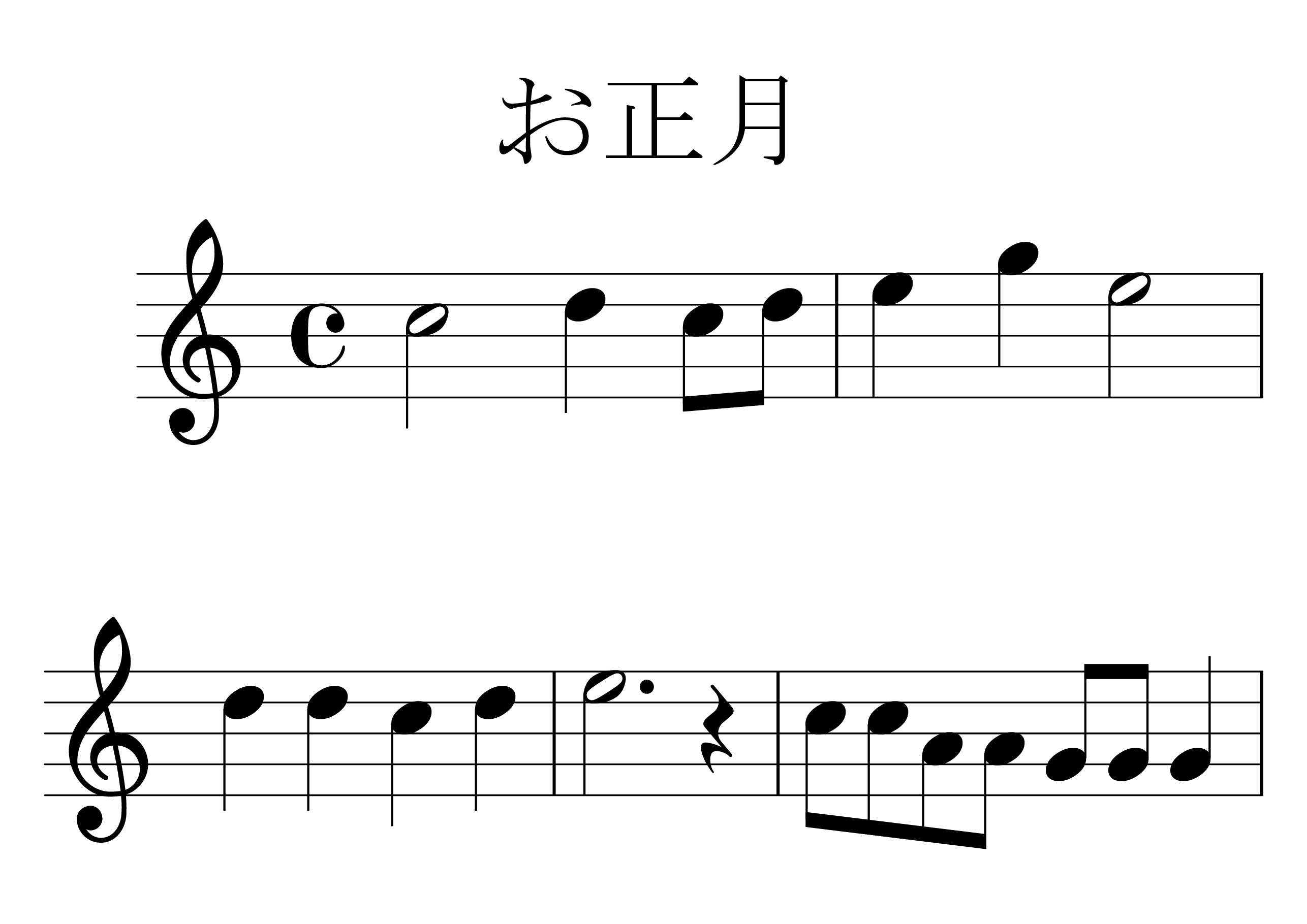
Because it moves with a calm pulse, this piece is useful for basic practice in keeping note values even and playing carefully. Thinking about breathing at each phrase break helps the music feel clear and settled.
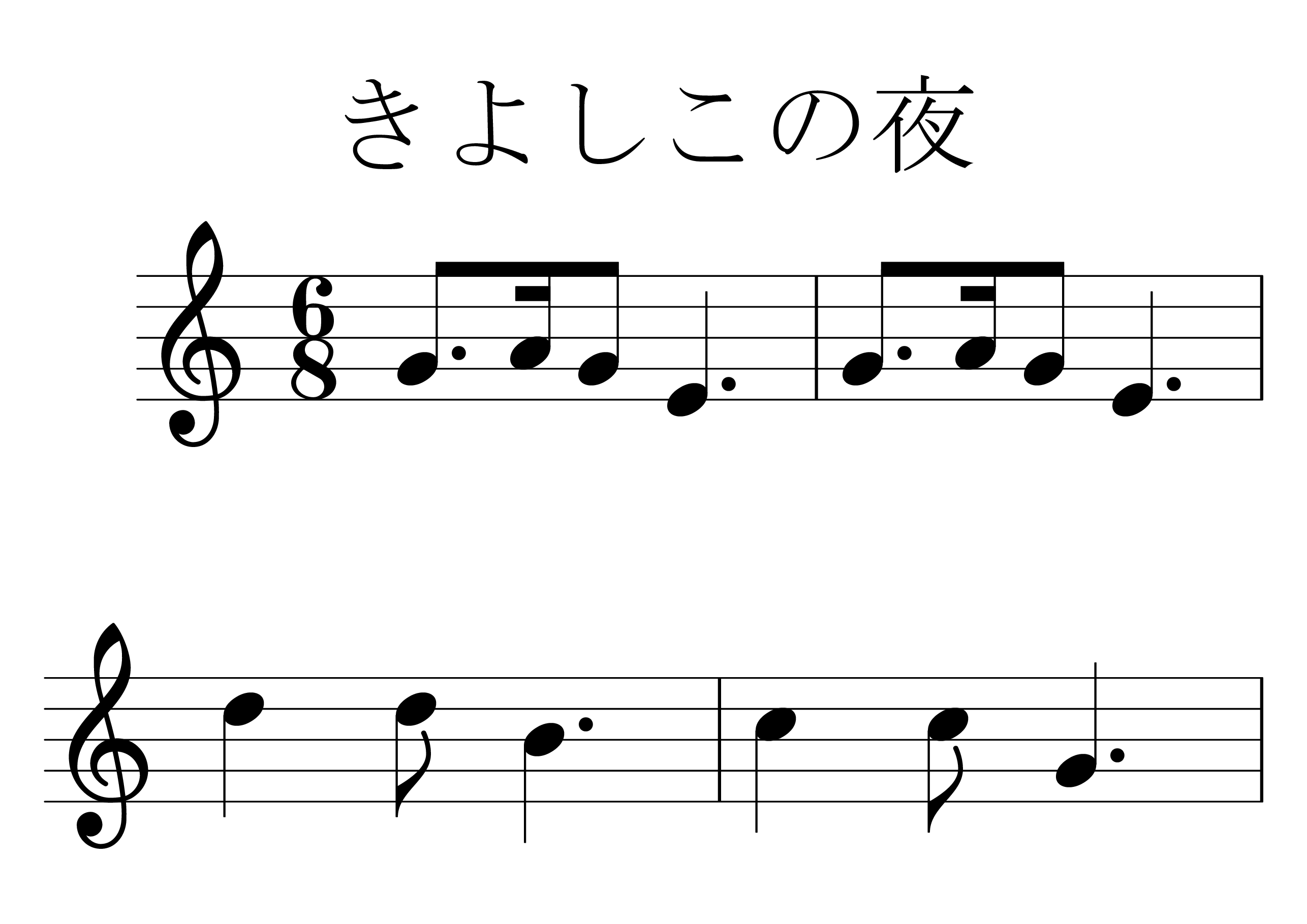
Its gentle flow makes it well suited to practicing legato and calm musical breathing. If you avoid rushing and keep the phrases quiet and connected, the atmosphere comes out naturally.
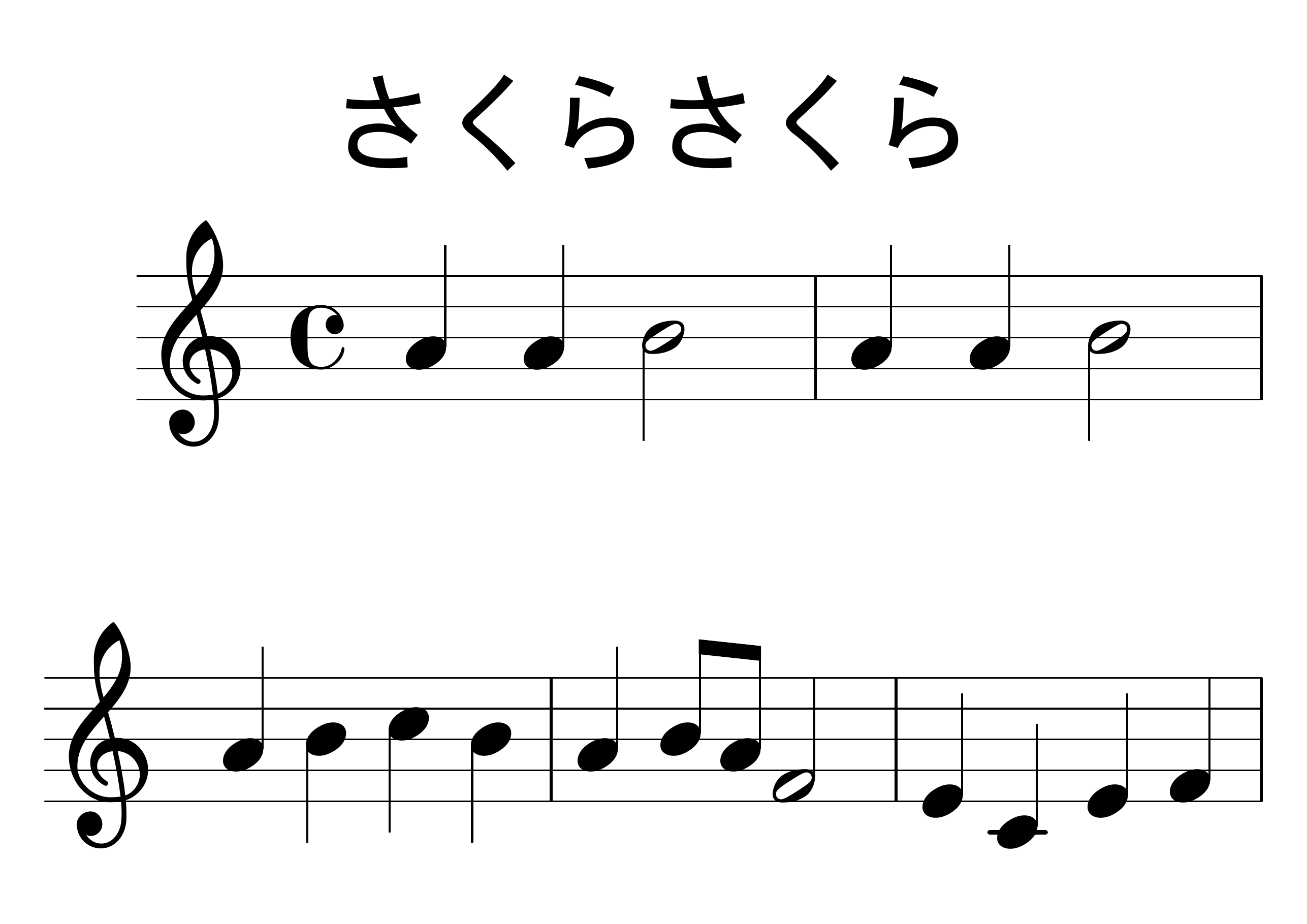
This traditional melody helps students feel pentatonic color while practicing lyrical phrasing. It is also suitable for dynamic expression.
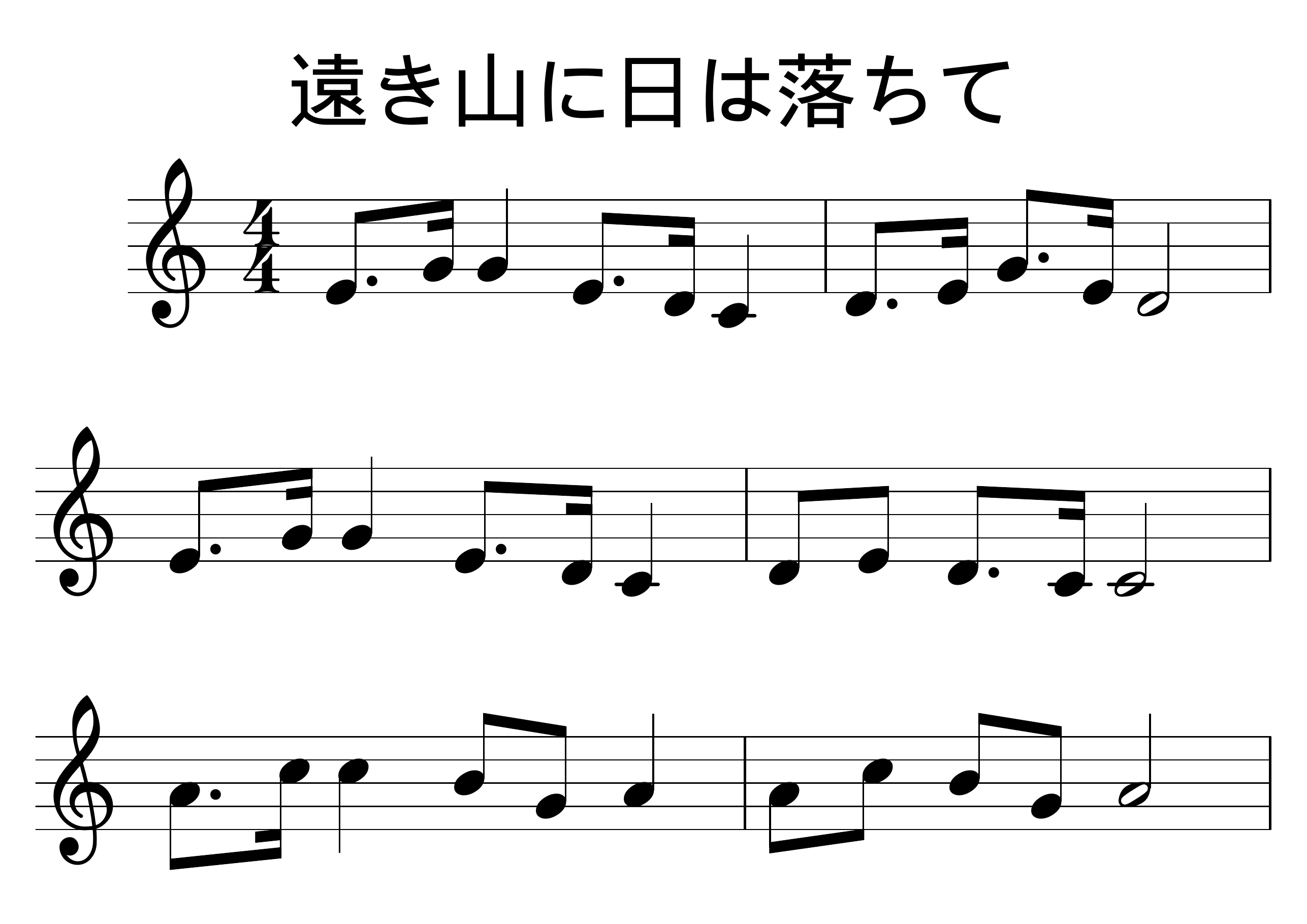
A slow, singing melody that evokes an evening landscape. Hold long notes fully and shape each phrase with clear breathing points.
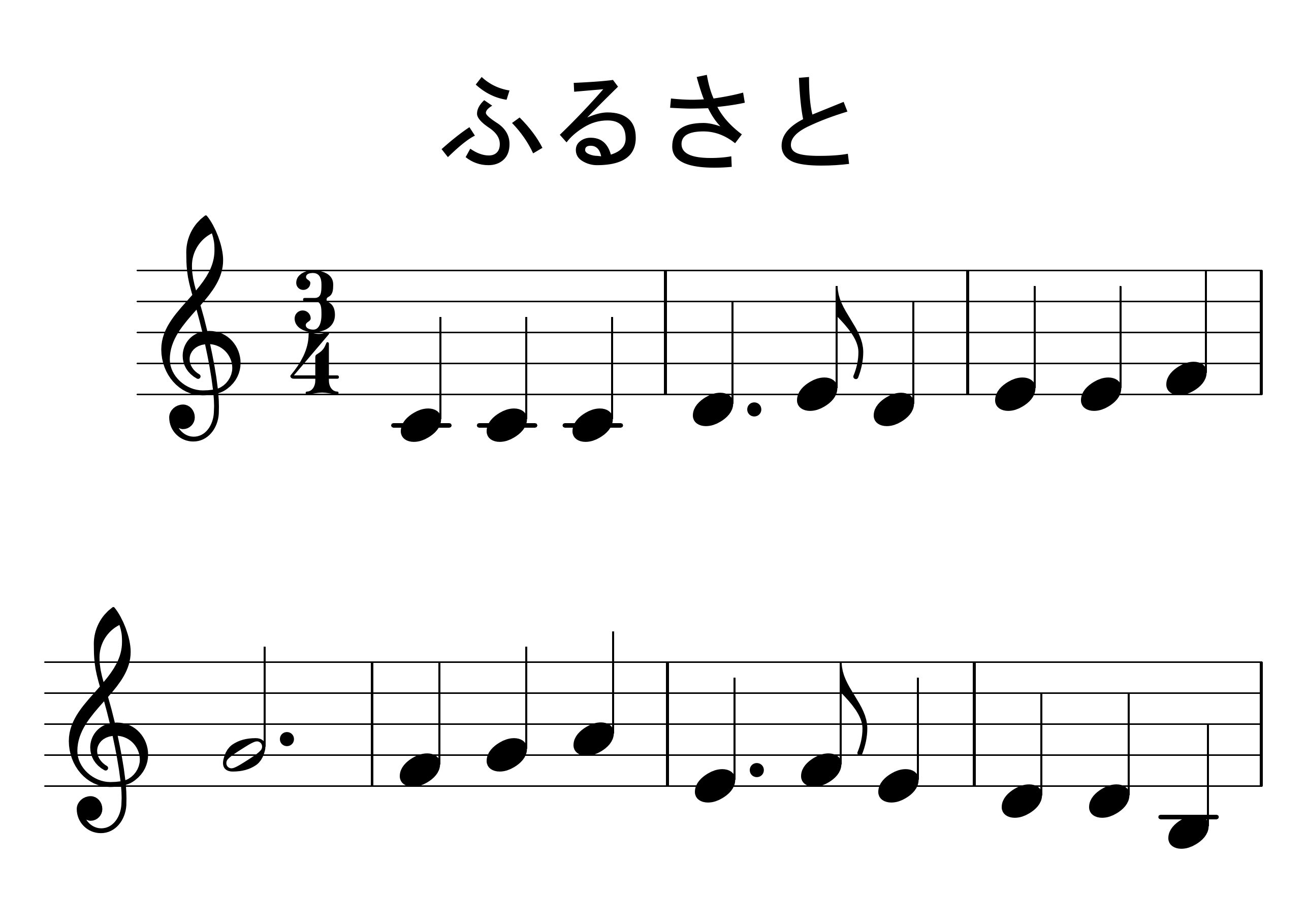
A beloved Japanese song. Its calm phrases help learners practice note connection and dynamic control.
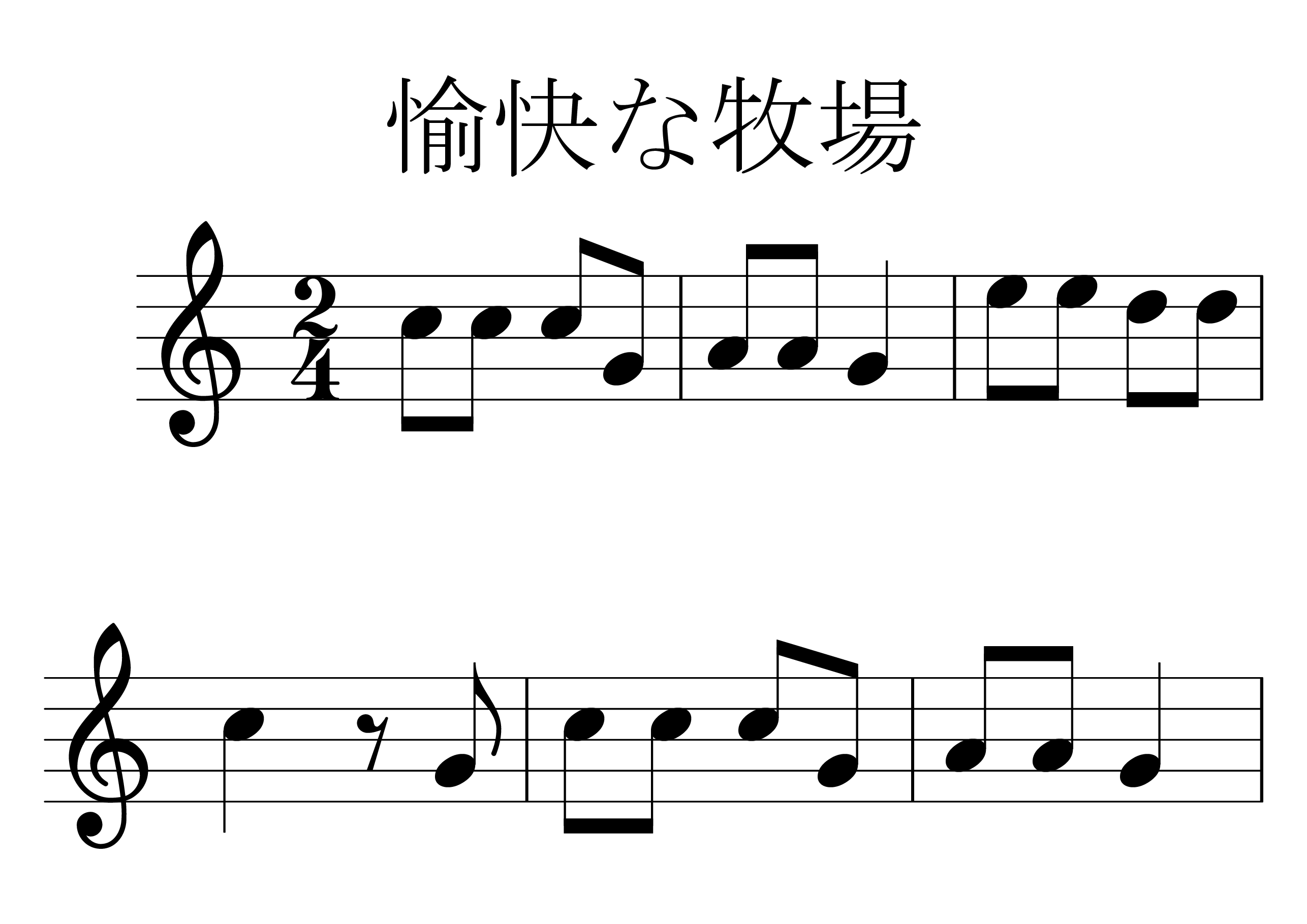
Because the phrase pattern repeats often, it works well for repetition practice and building a steady beat. Play it with energy while keeping the phrase endings neat and together.
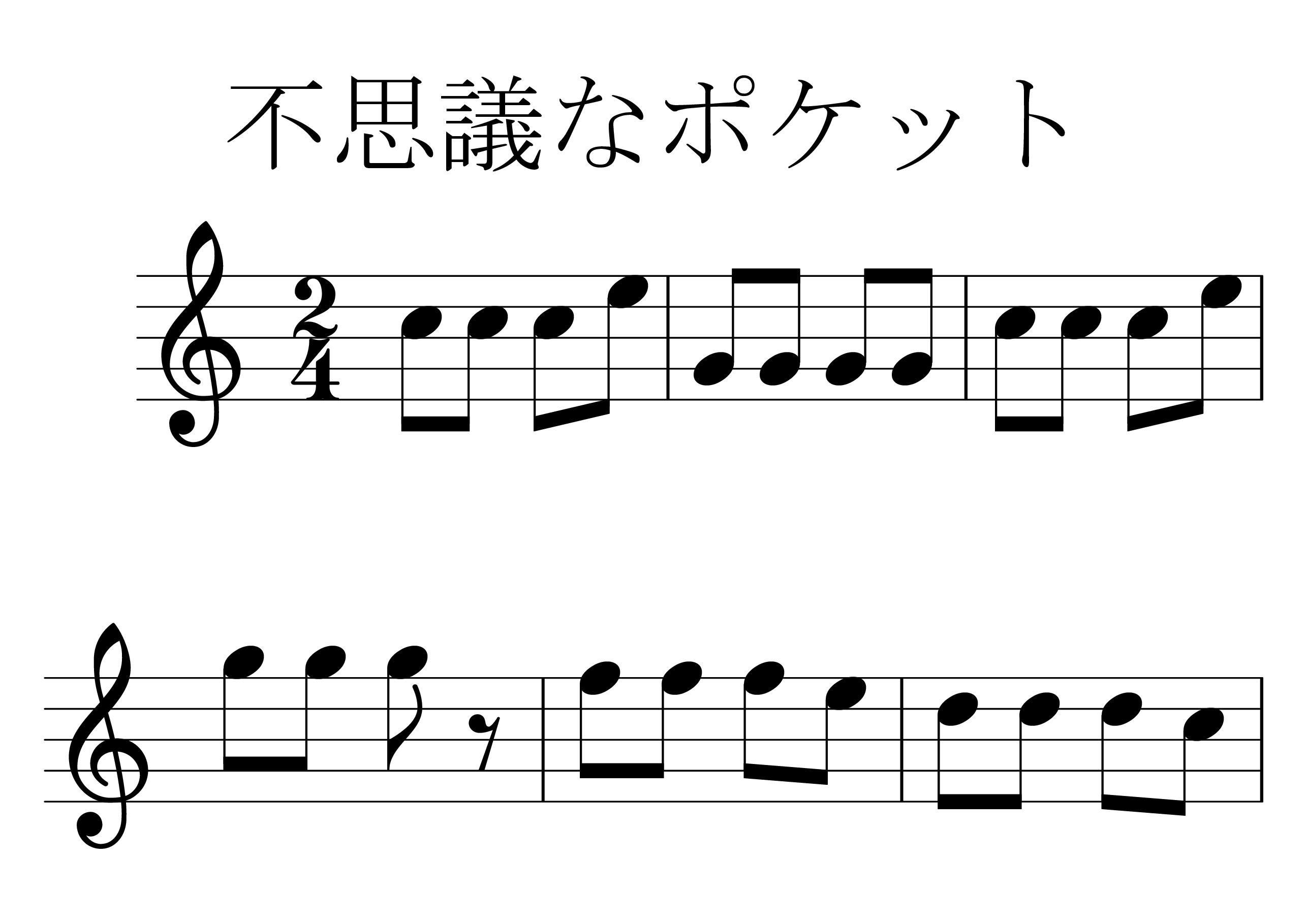
Because the same patterns appear many times, this piece is good for stabilizing the rhythm while aligning finger movement. If you keep the lively character but organize each small section, it comes together well.
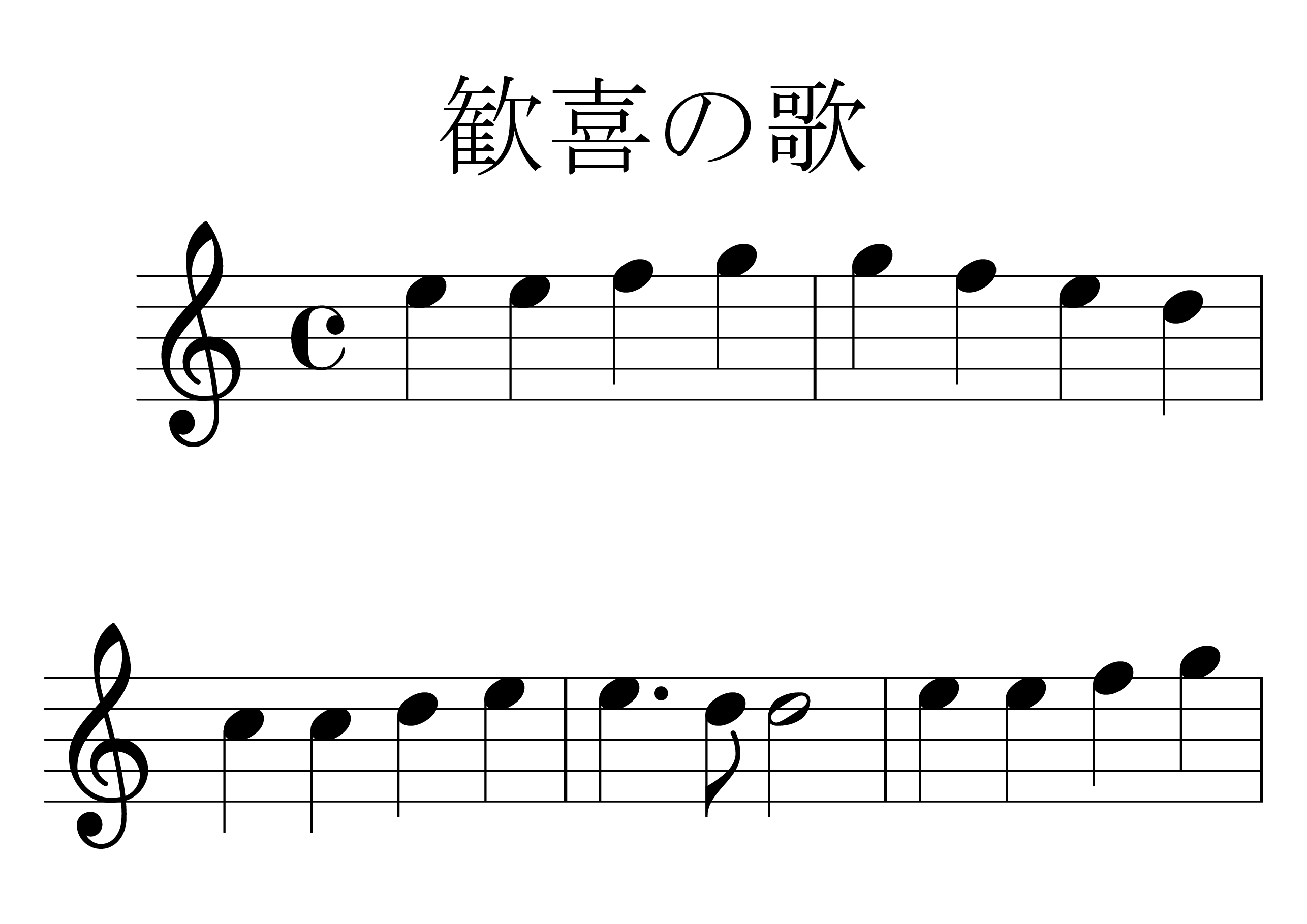
Its strong pulse and clear structure make it useful for practicing phrase shape and chord feeling. If you keep the first beat stable and play with a broad, confident flow, the piece has a convincing sound.
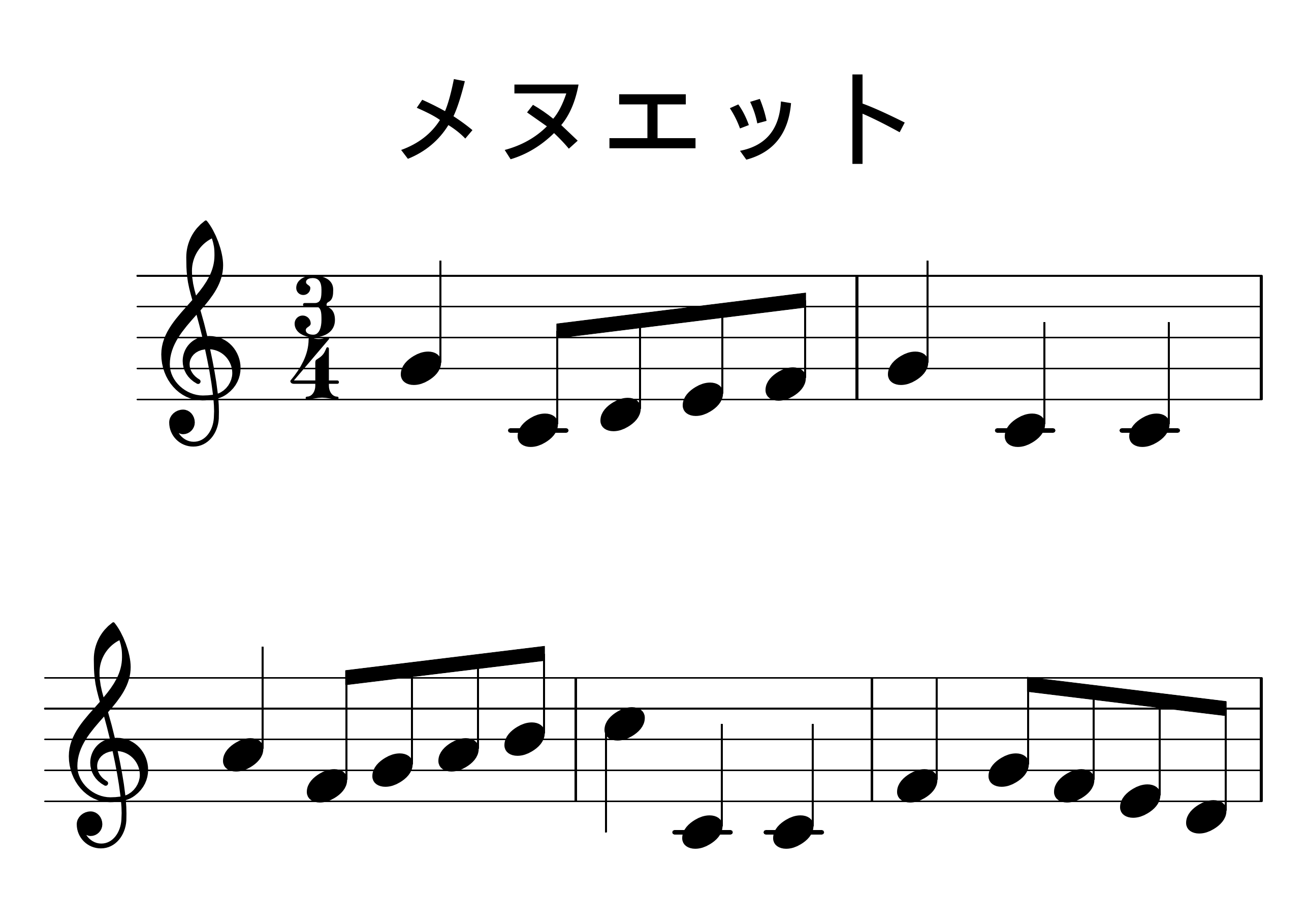
Within its regular dance pulse, this piece is useful for balancing the hands and shaping phrases with elegance. If you feel the weight of the meter and keep each group of notes organized, it sounds refined and graceful.
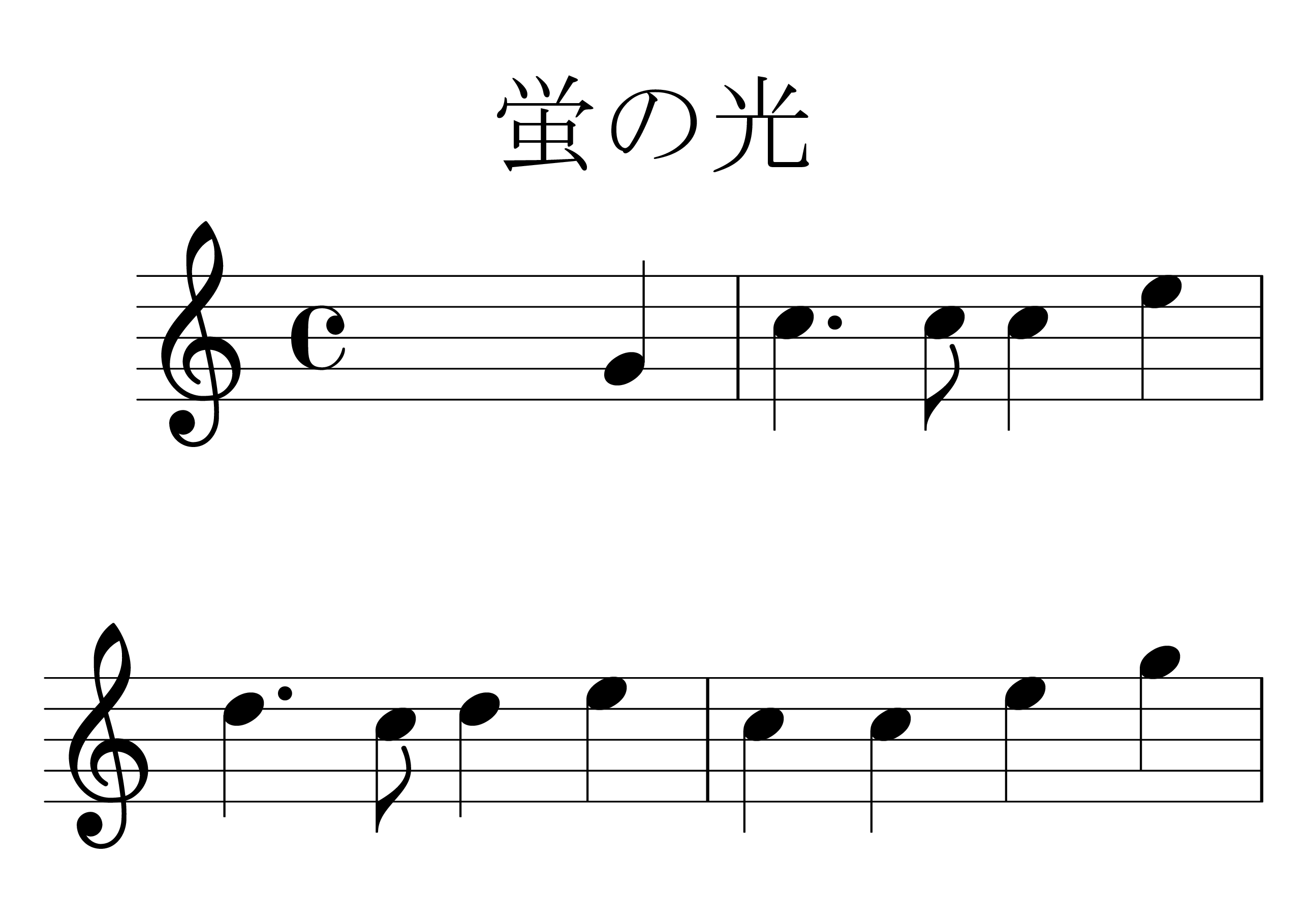
Its long, connected phrases make it useful for learning legato playing and musical breathing. Careful note connection and phrase endings give it a graceful finish.
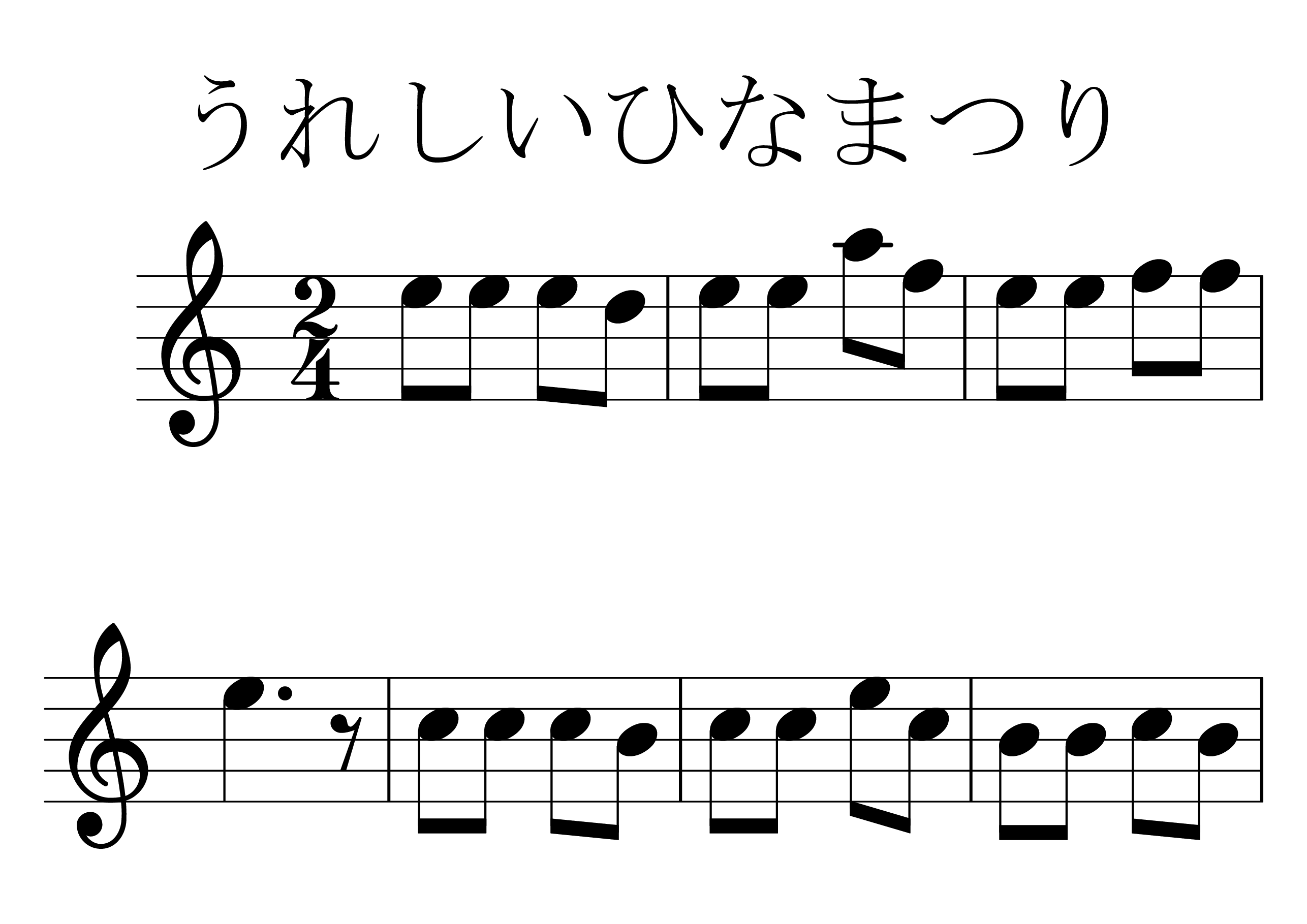
Its waltz-like three-beat flow makes it useful for feeling the pulse while shaping a singing melody. It is a good piece for connecting phrases smoothly and placing the first beat with care.
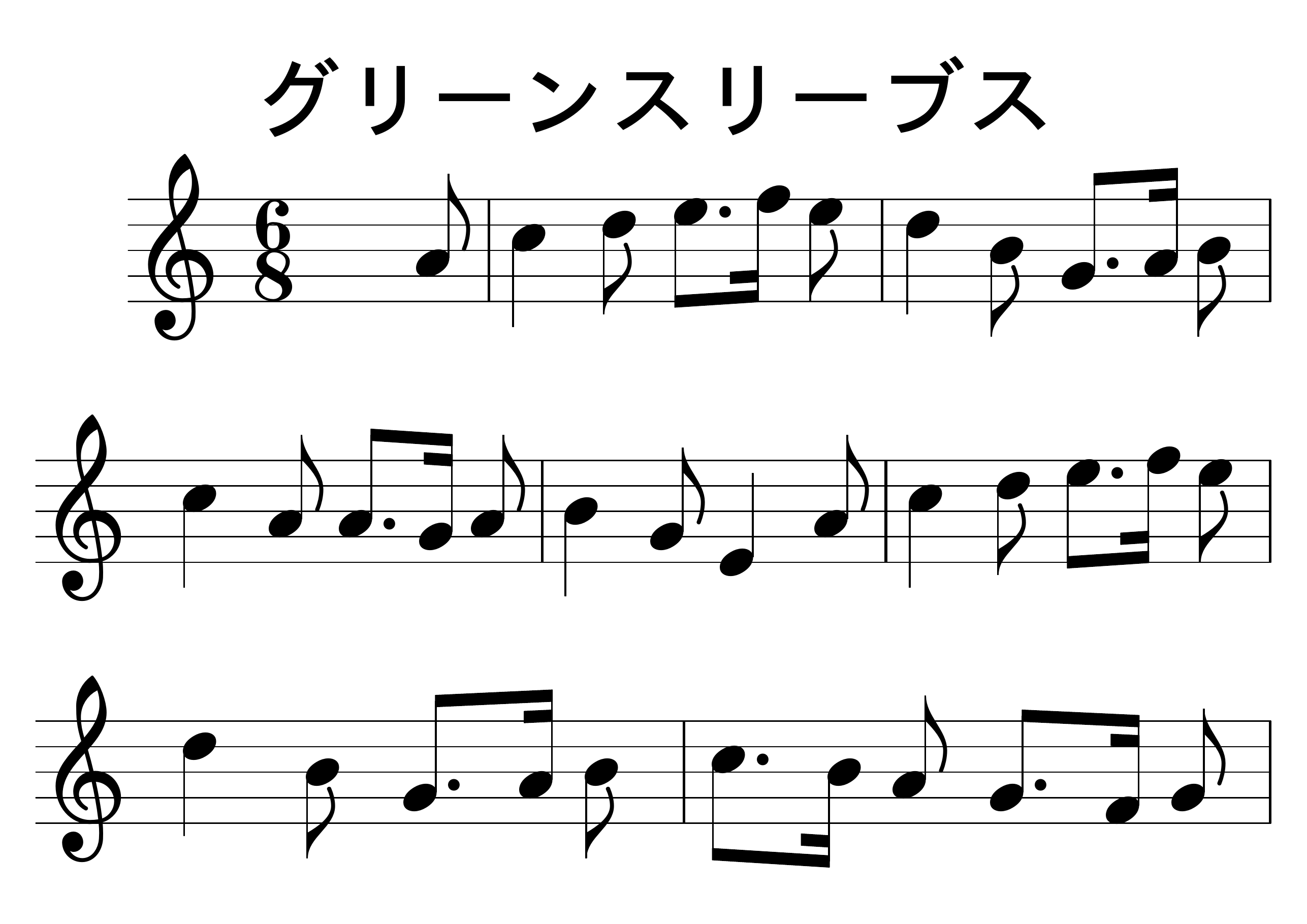
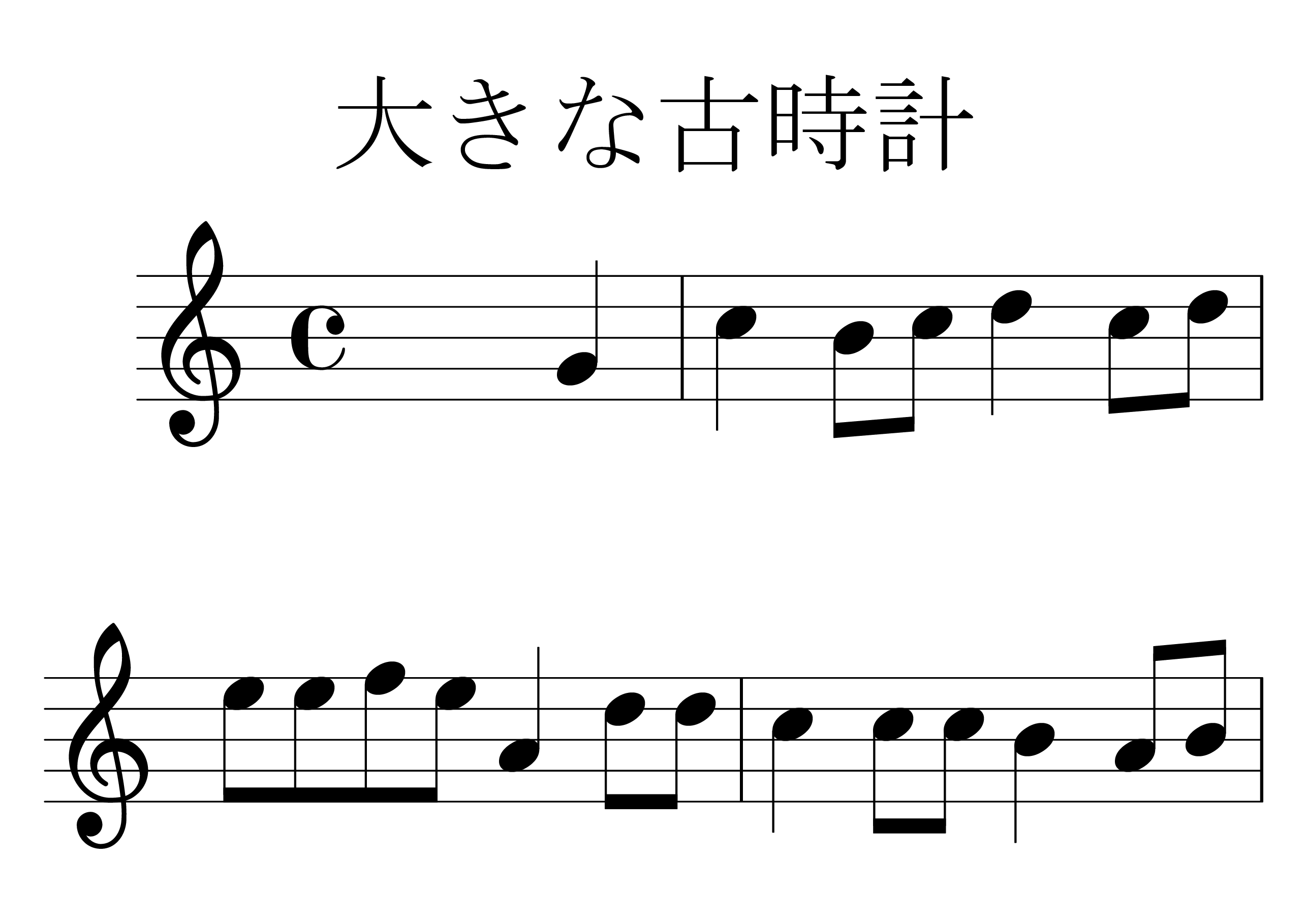
Its long phrases require careful connection, so it is useful for practicing legato and the resonance of chords. Feeling the broad line of the music and keeping the weight of each beat even makes the piece more stable.
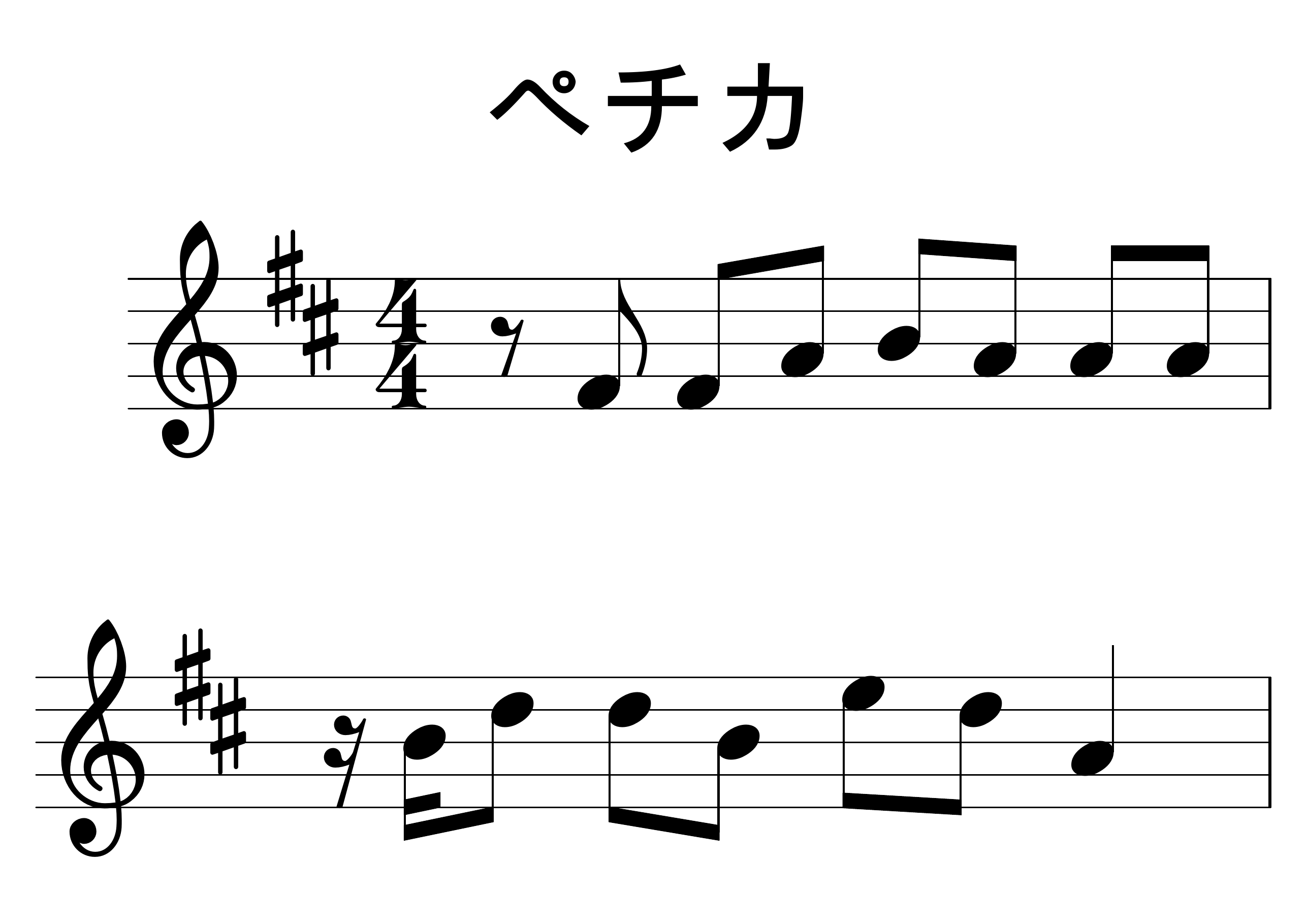
A calm winter song filled with the warmth of a fireplace. Keep the accompaniment gentle so the melody remains clear and expressive.
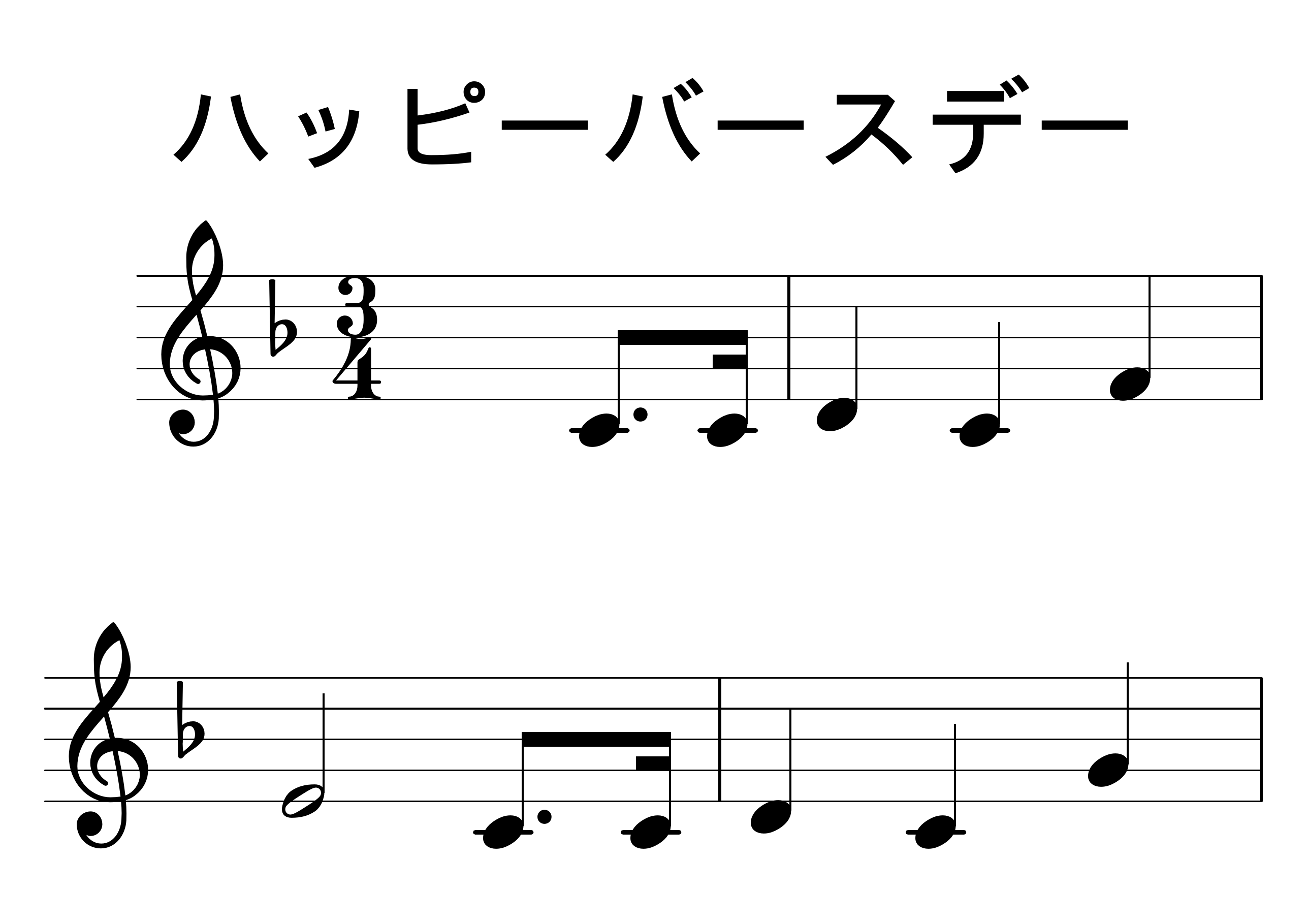
A familiar melody that is easy to phrase expressively. Clean phrase endings make the performance sound polished.
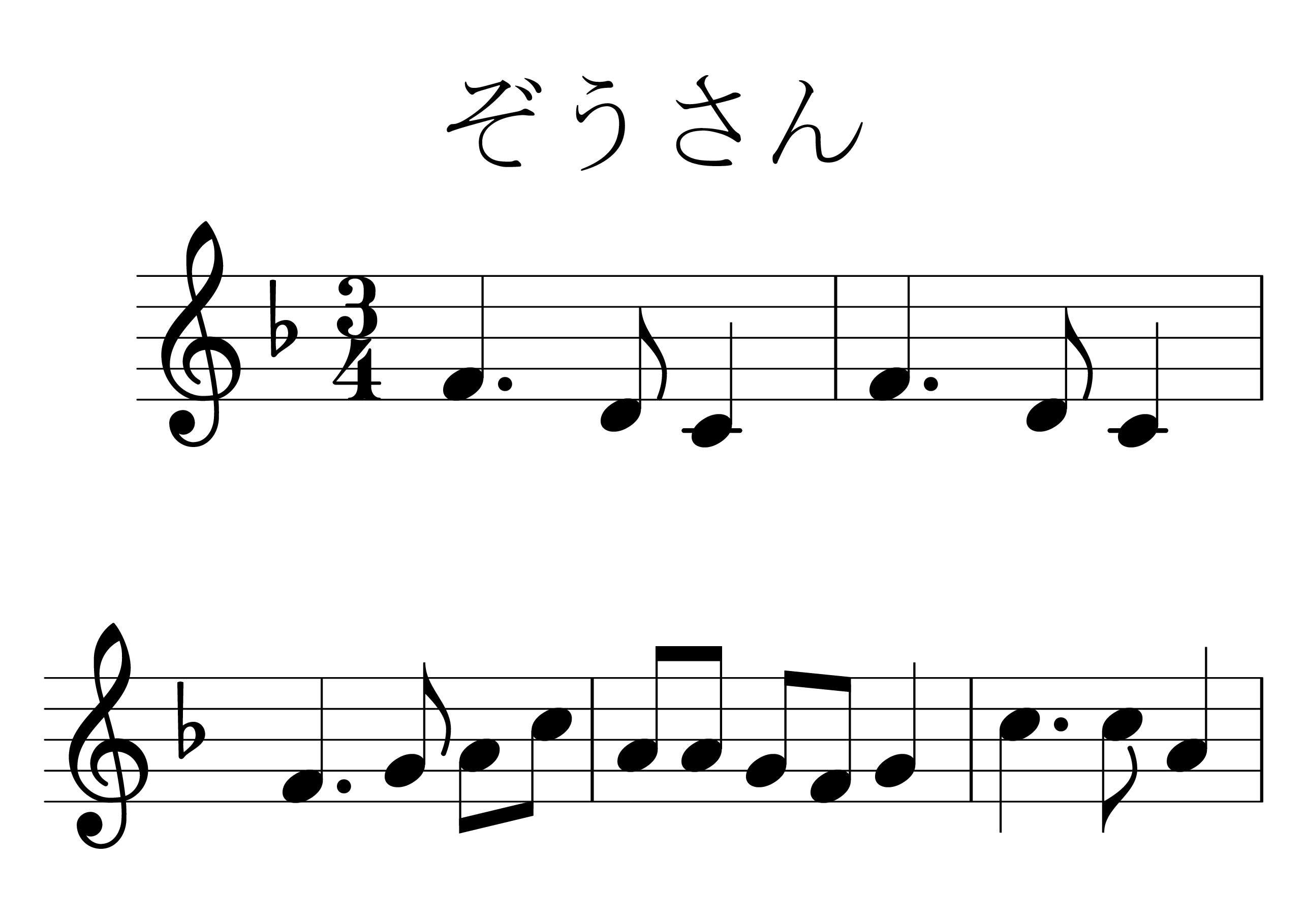
Because the range is not too wide and the same shapes appear often, it is easy for beginners to use this piece while keeping a stable hand position. Playing each note clearly with a bright tone helps it feel secure.
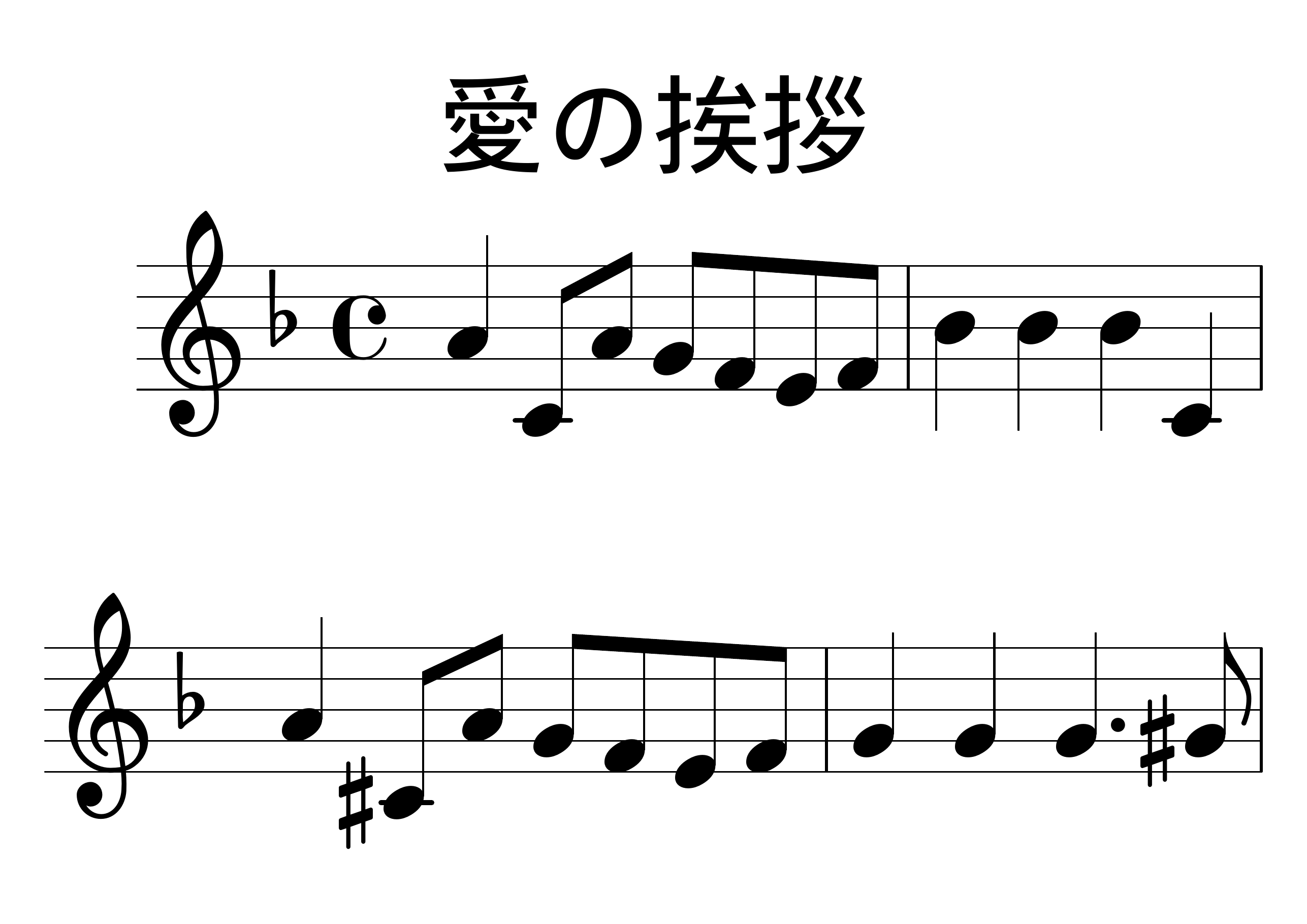
Its smooth melody is ideal for learning how to sing through the line and shape the high point of each phrase. If you avoid rushing the resonance and let the dynamics move naturally, the piece sounds graceful and refined.
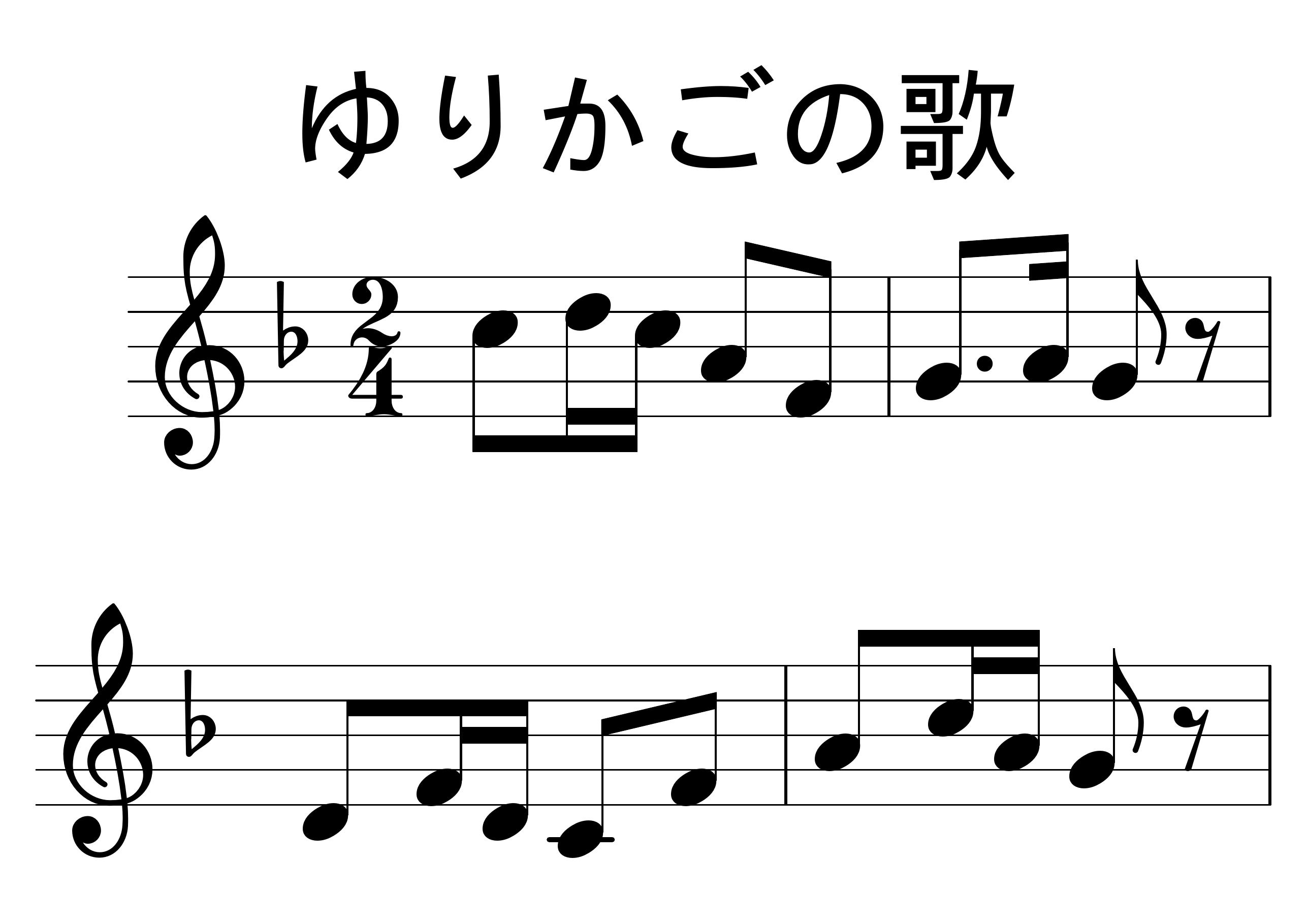
A gentle melody that rocks like a cradle. Connect the notes smoothly and play soft tones with calm, controlled fingers.
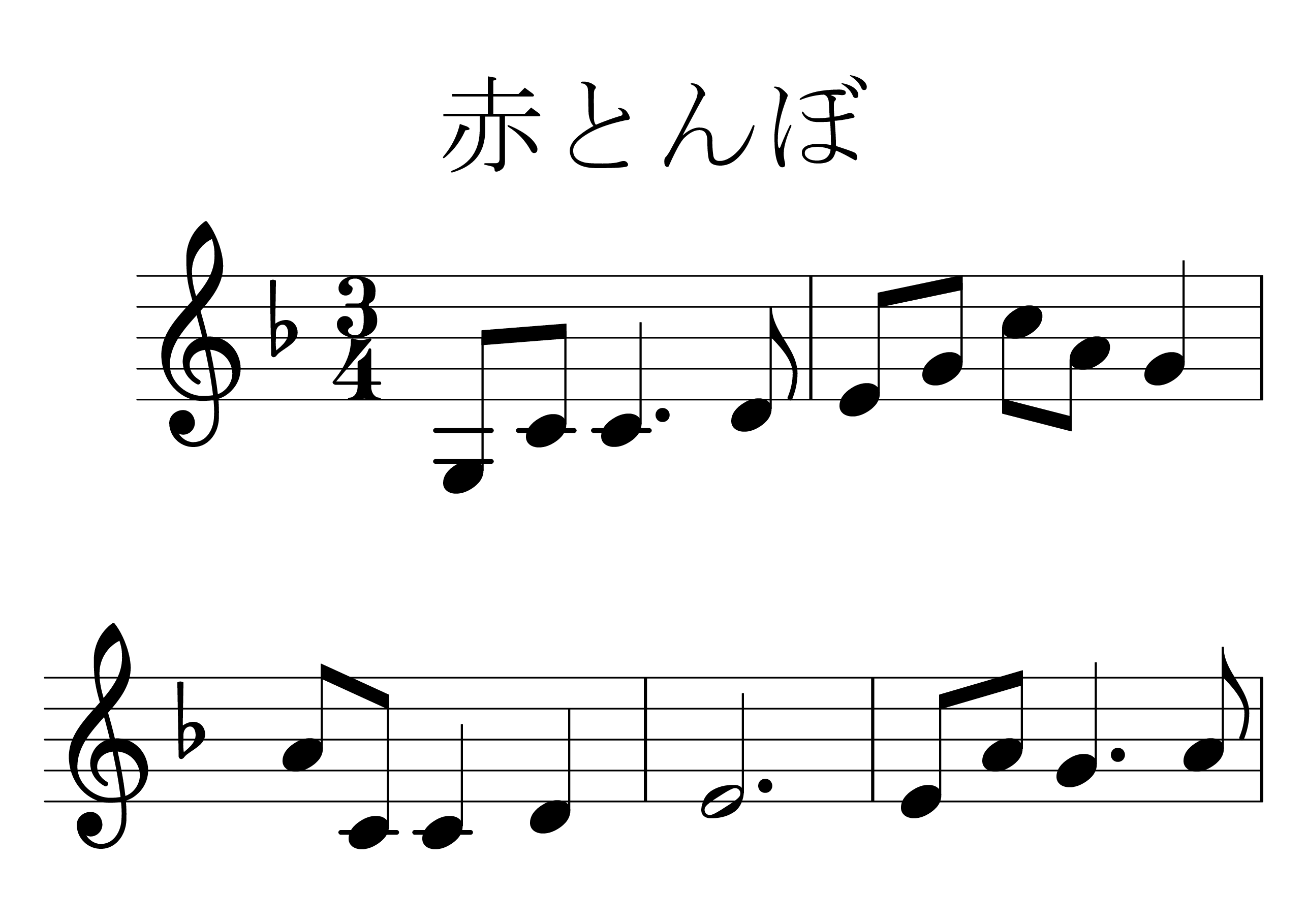
Its soft melody is useful for practicing legato and phrase breathing while keeping the line unbroken. If you avoid chopping the notes and feel the flow toward the ending, the piece settles beautifully.
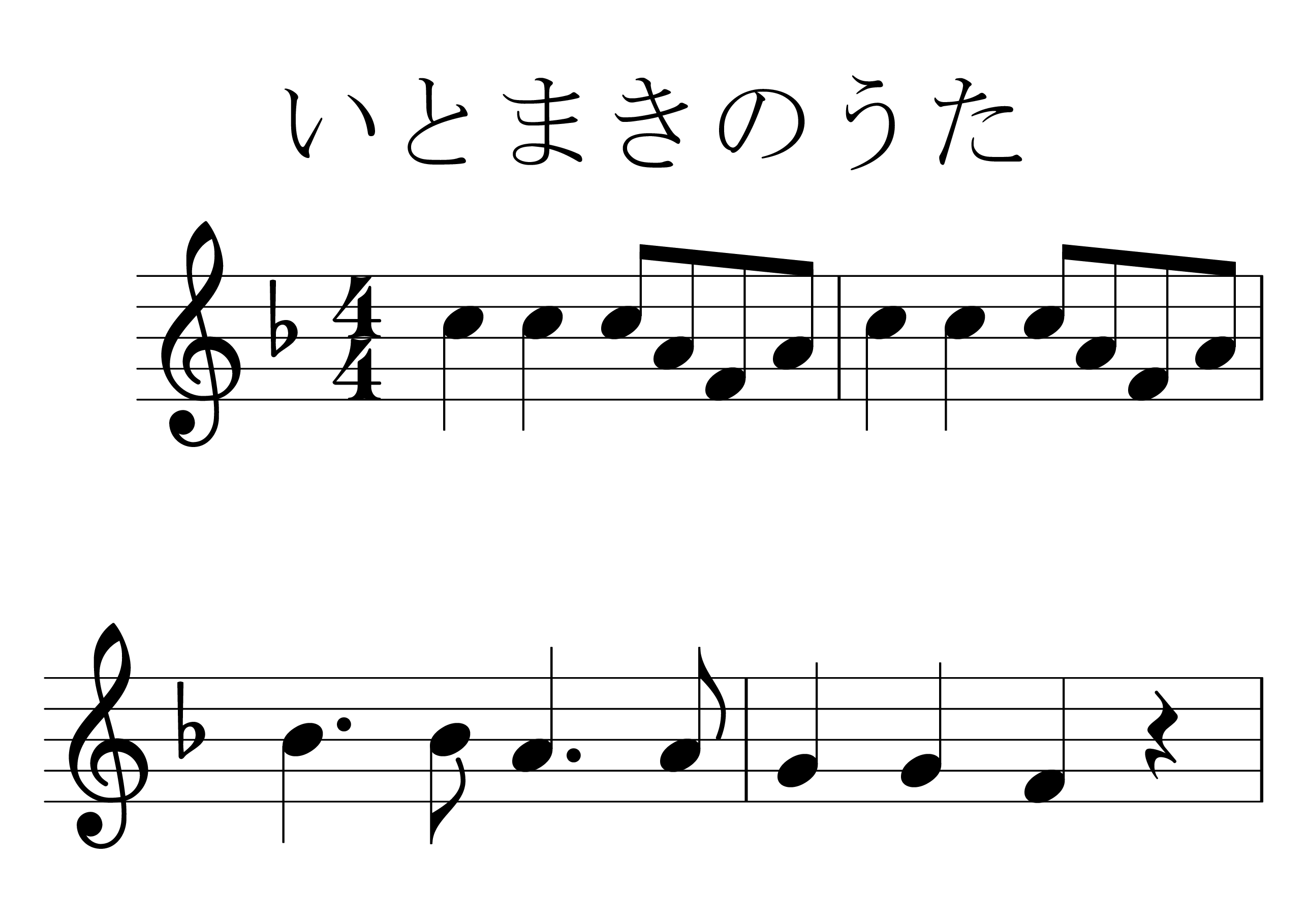
A beginner-friendly nursery song for coordinating hand movement and rhythm. It works well for practicing short musical phrases.
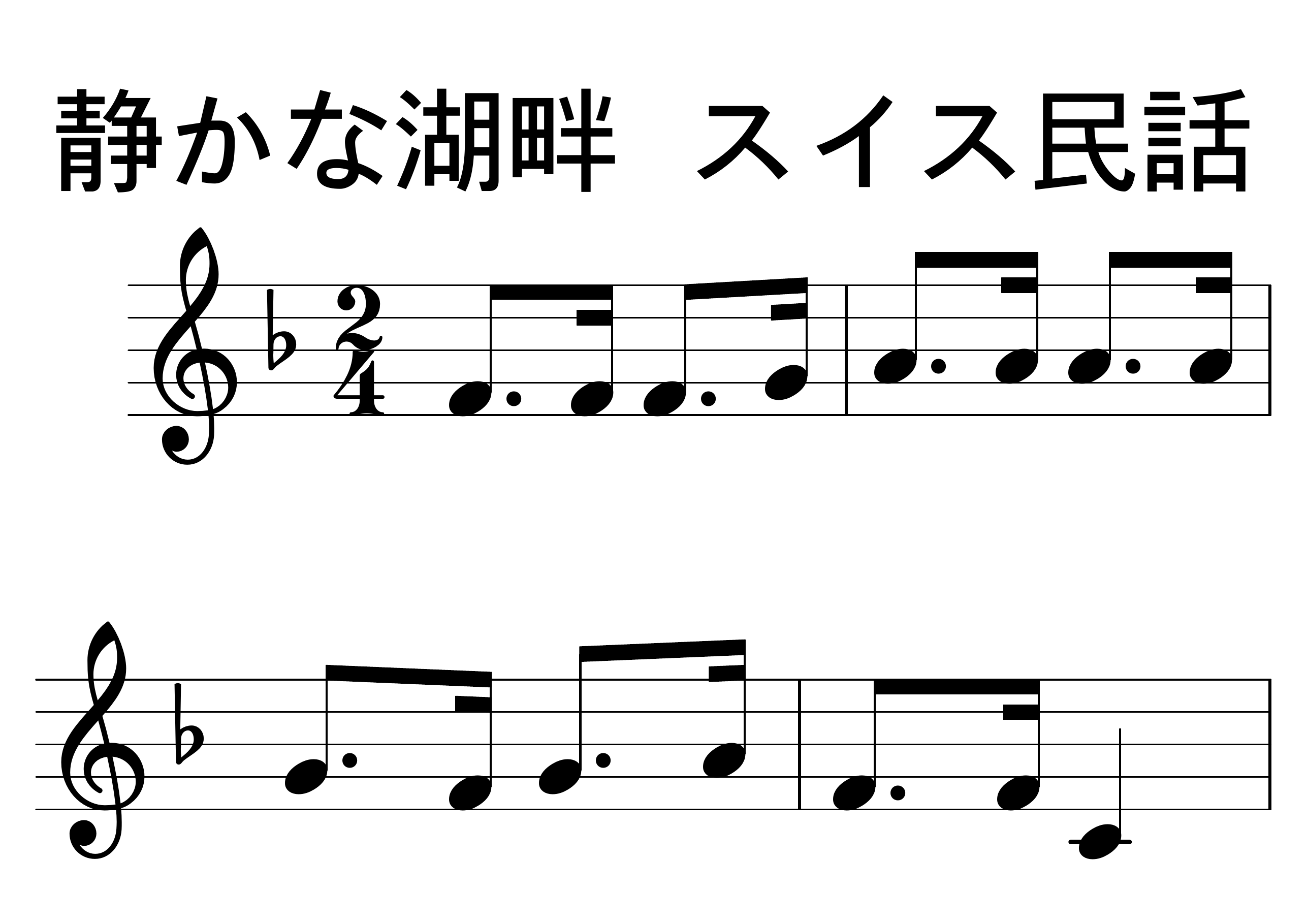
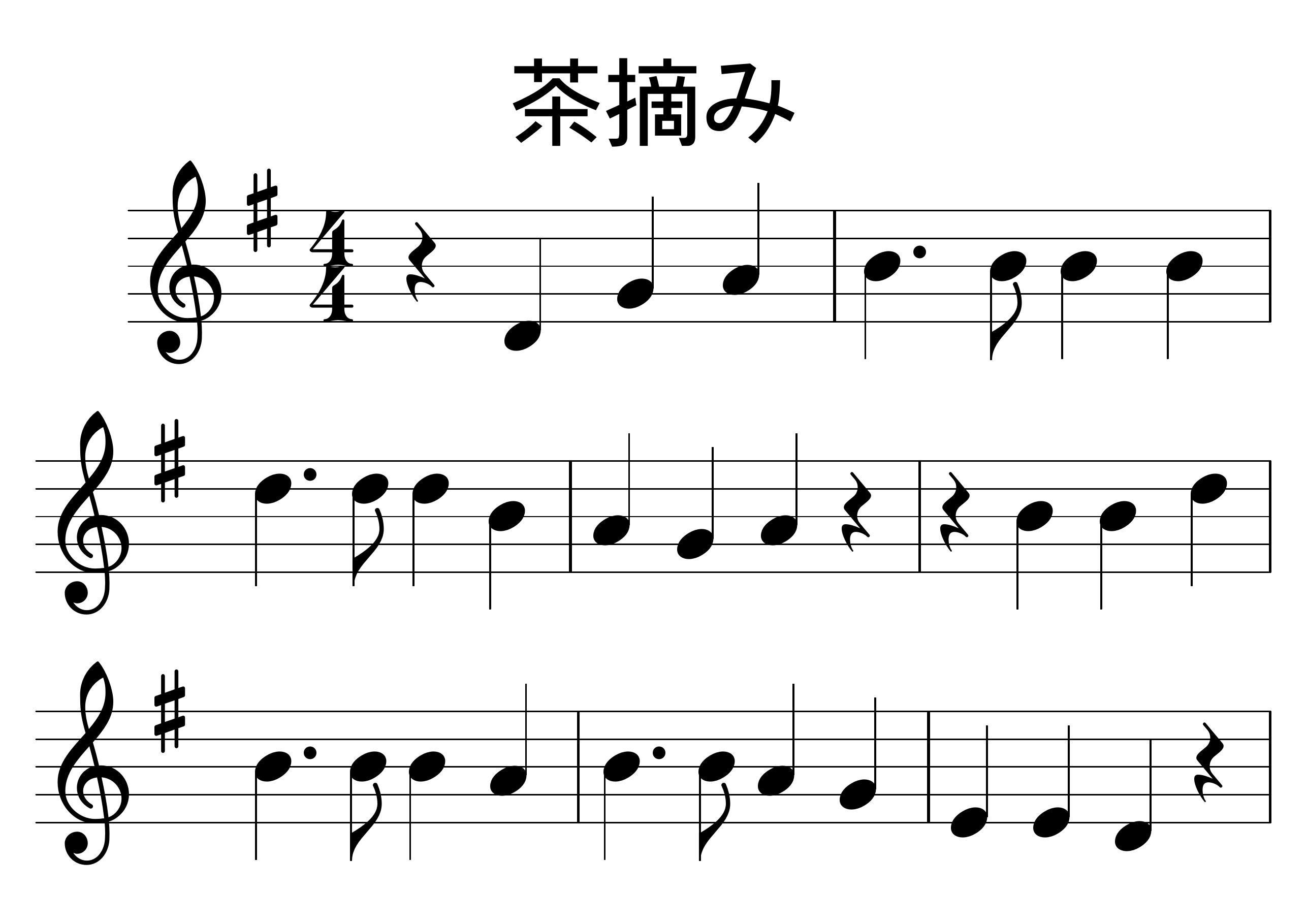
A bright Japanese song with a lively pulse. Keep repeated notes light and even without stiffening the fingers.
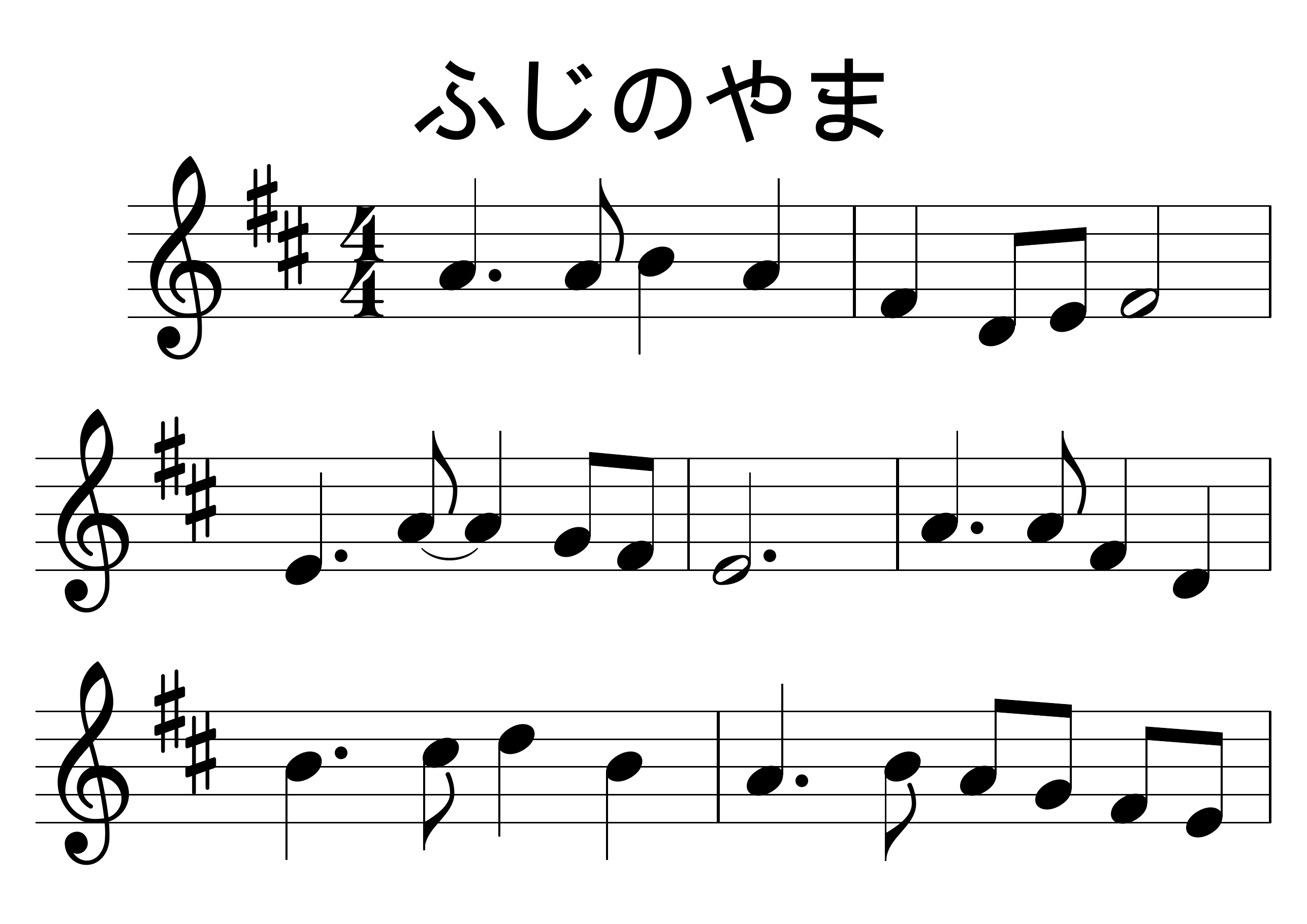
A broad melody that feels like looking up at Mount Fuji. Group rising and falling patterns together and prepare the next finger early.
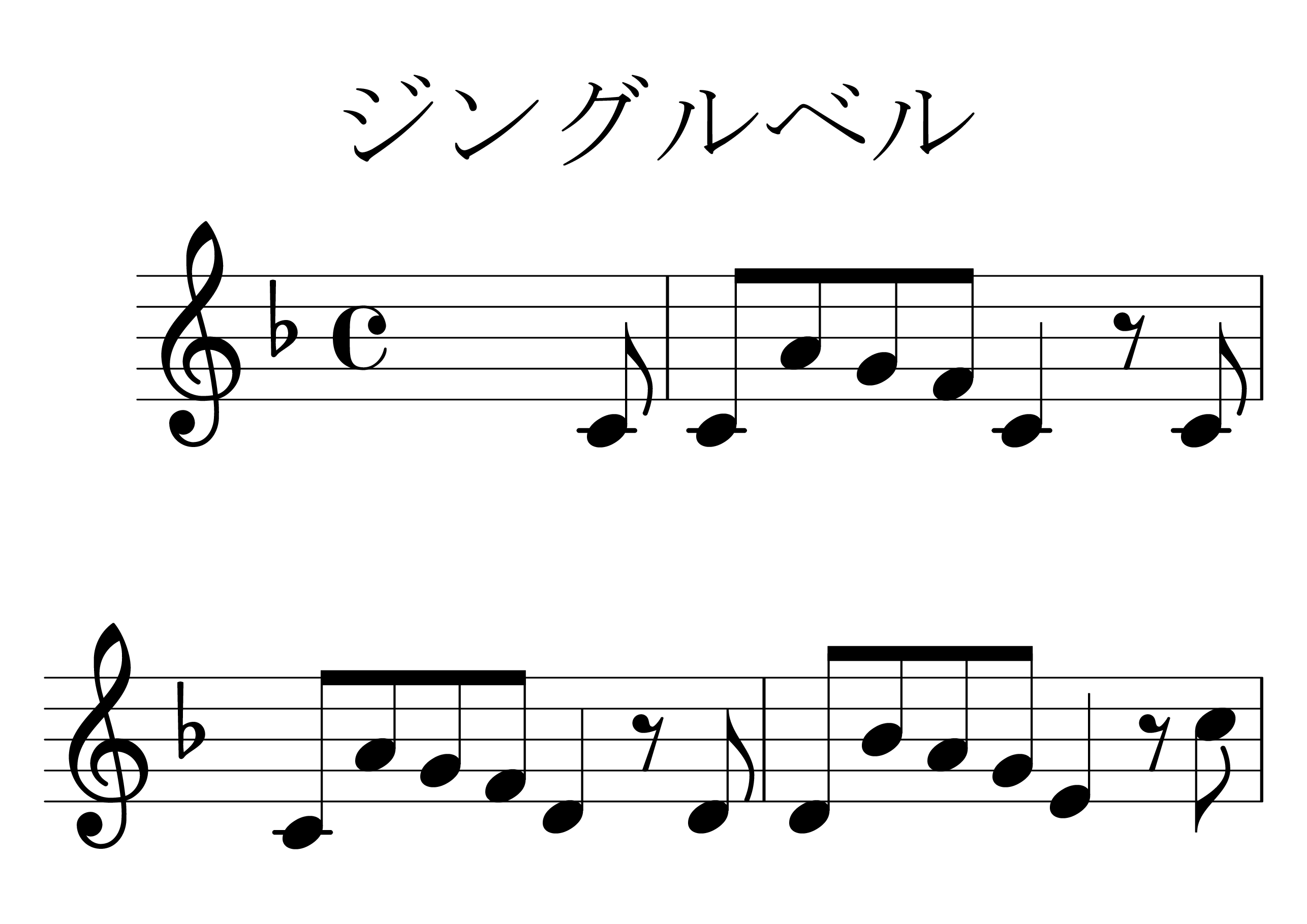
Its strong beat makes it ideal for repetition practice and keeping a steady tempo. If you avoid bouncing too much and keep the phrase endings together, it becomes much easier to play cleanly.
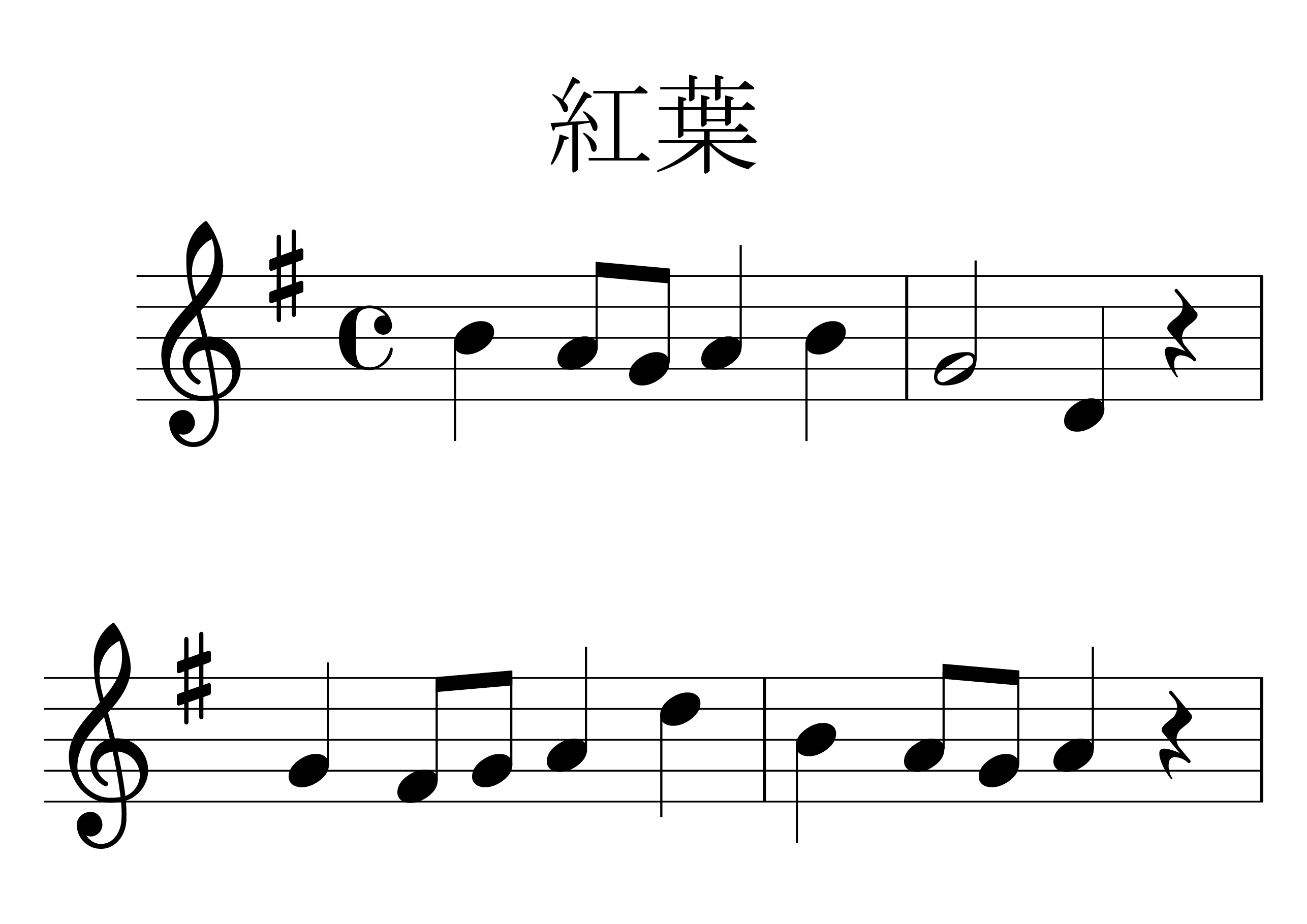
Its calm movement makes it useful for learning connected sound and gentle dynamic change. If you play it as if singing, without rushing, the atmosphere of autumn opens up naturally.
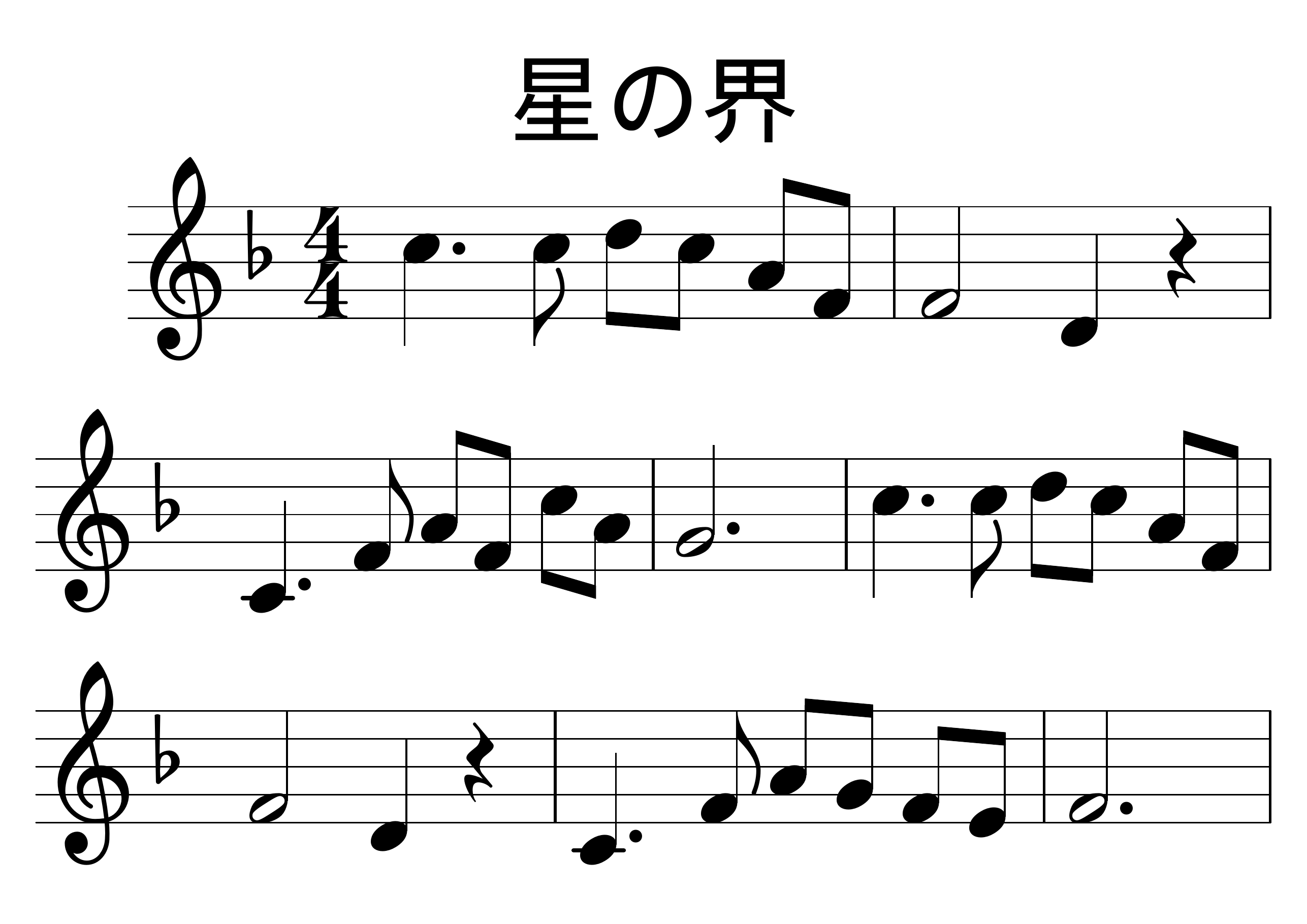
A calm, spacious melody that suggests looking up at the night sky. Keep chords and accompaniment soft so the long melodic line remains unbroken.
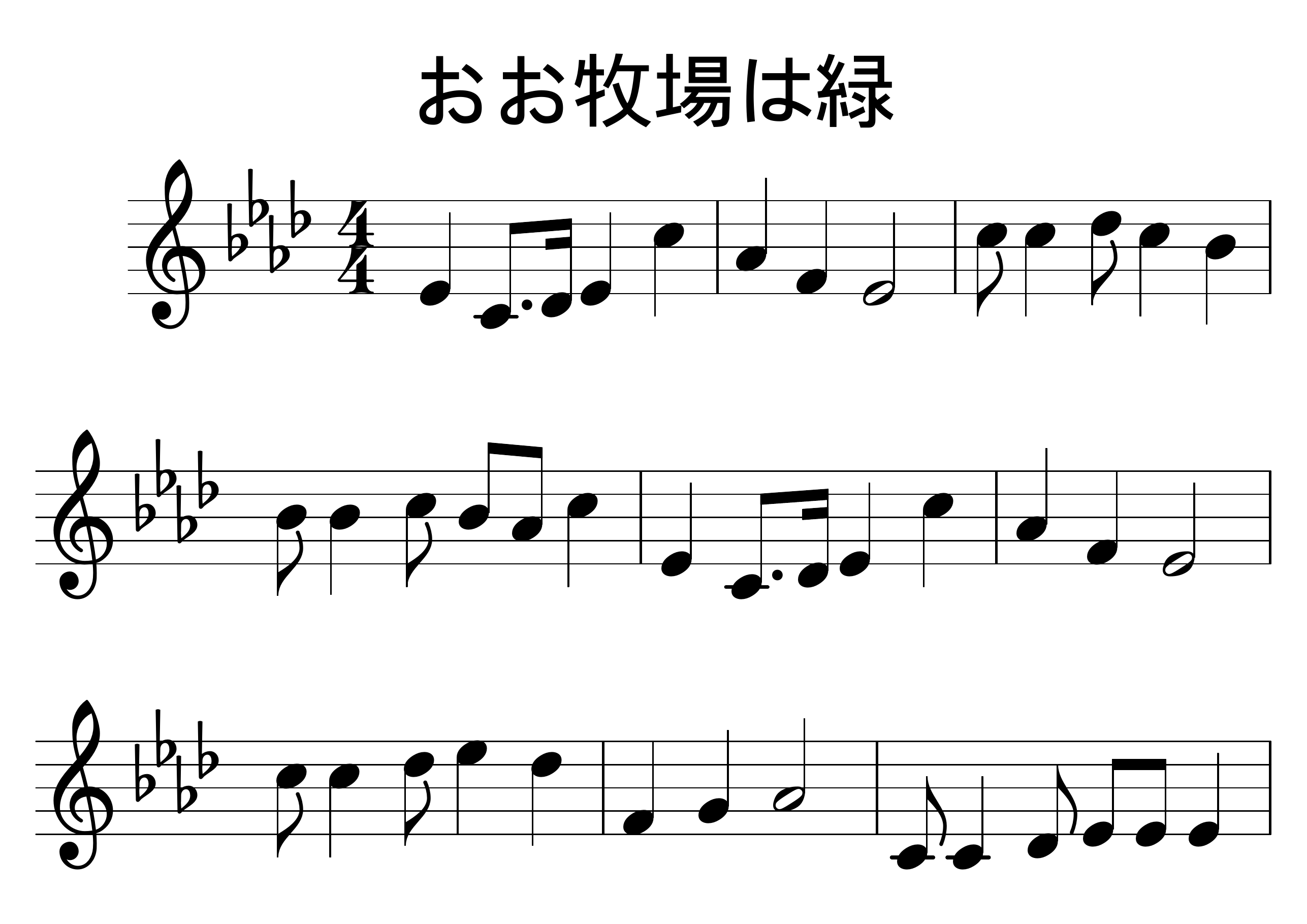
A bright, energetic song that feels like running across a wide meadow. Look ahead before each leap and keep the lively tempo steady.
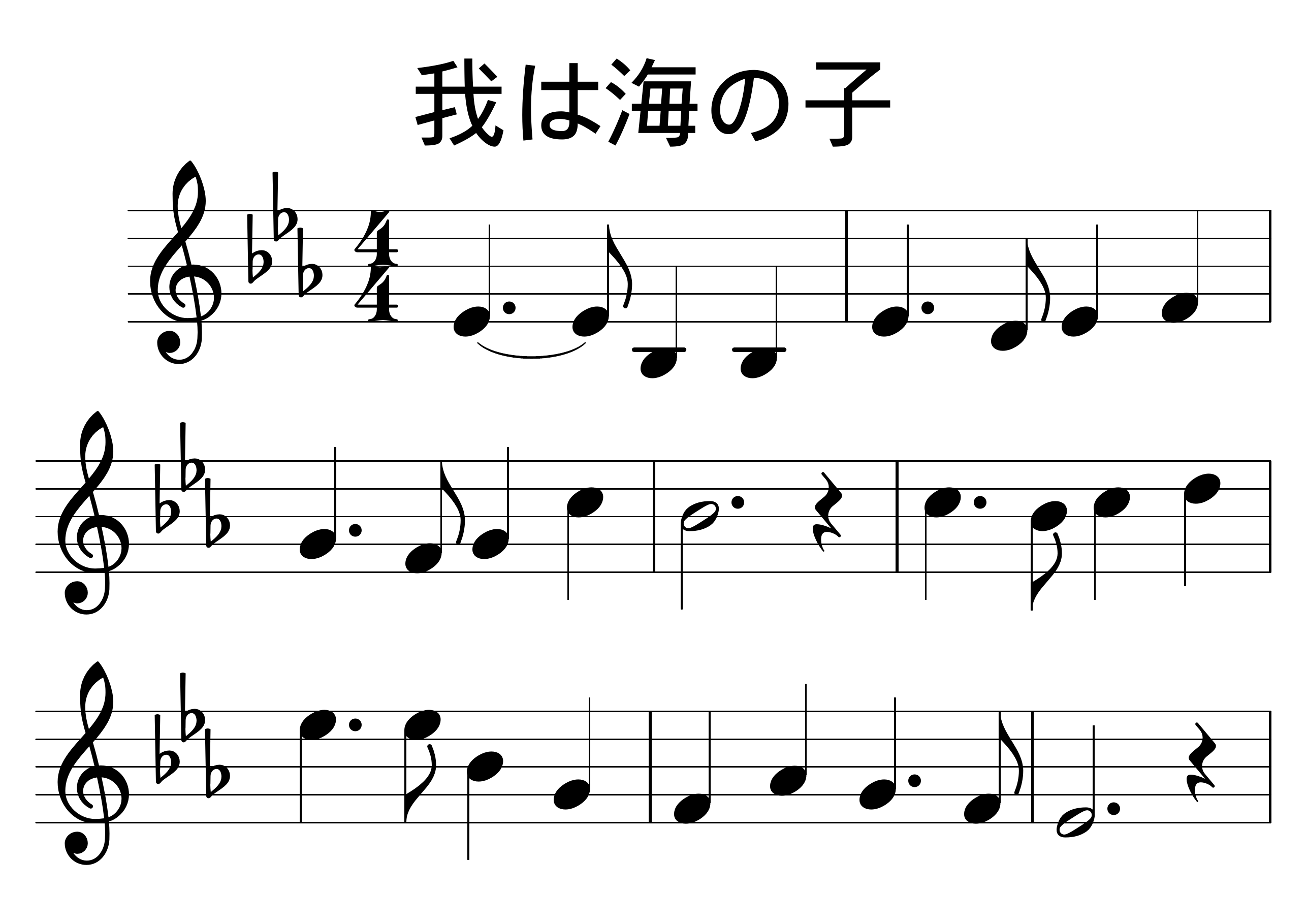
A proud melody that suggests the breadth of the sea. Use relaxed arm weight for strong notes and keep the pulse steady through broad phrases.
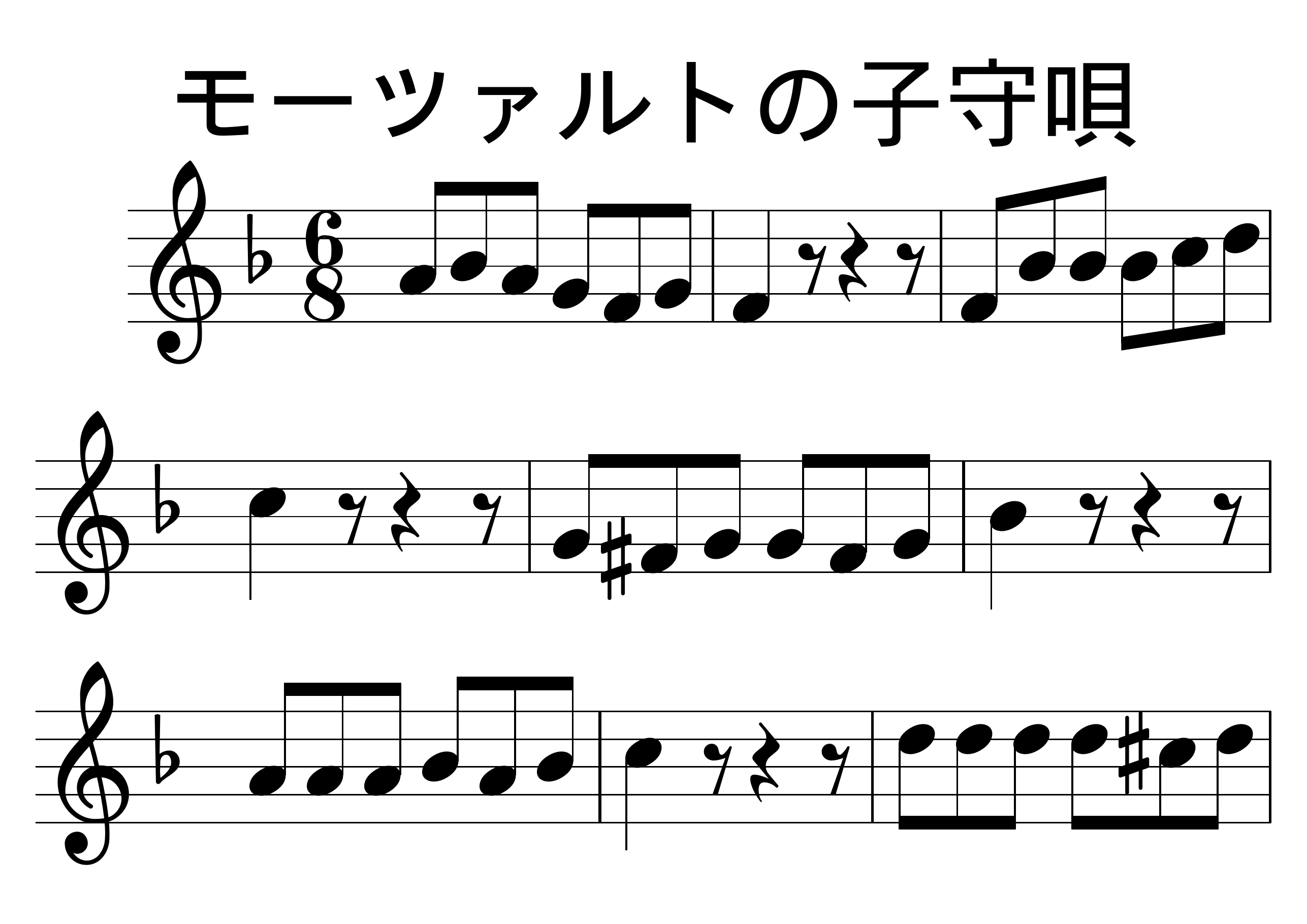
A graceful lullaby with a gently rocking pulse. Keep the motion flowing and balance the melody clearly above the accompaniment.
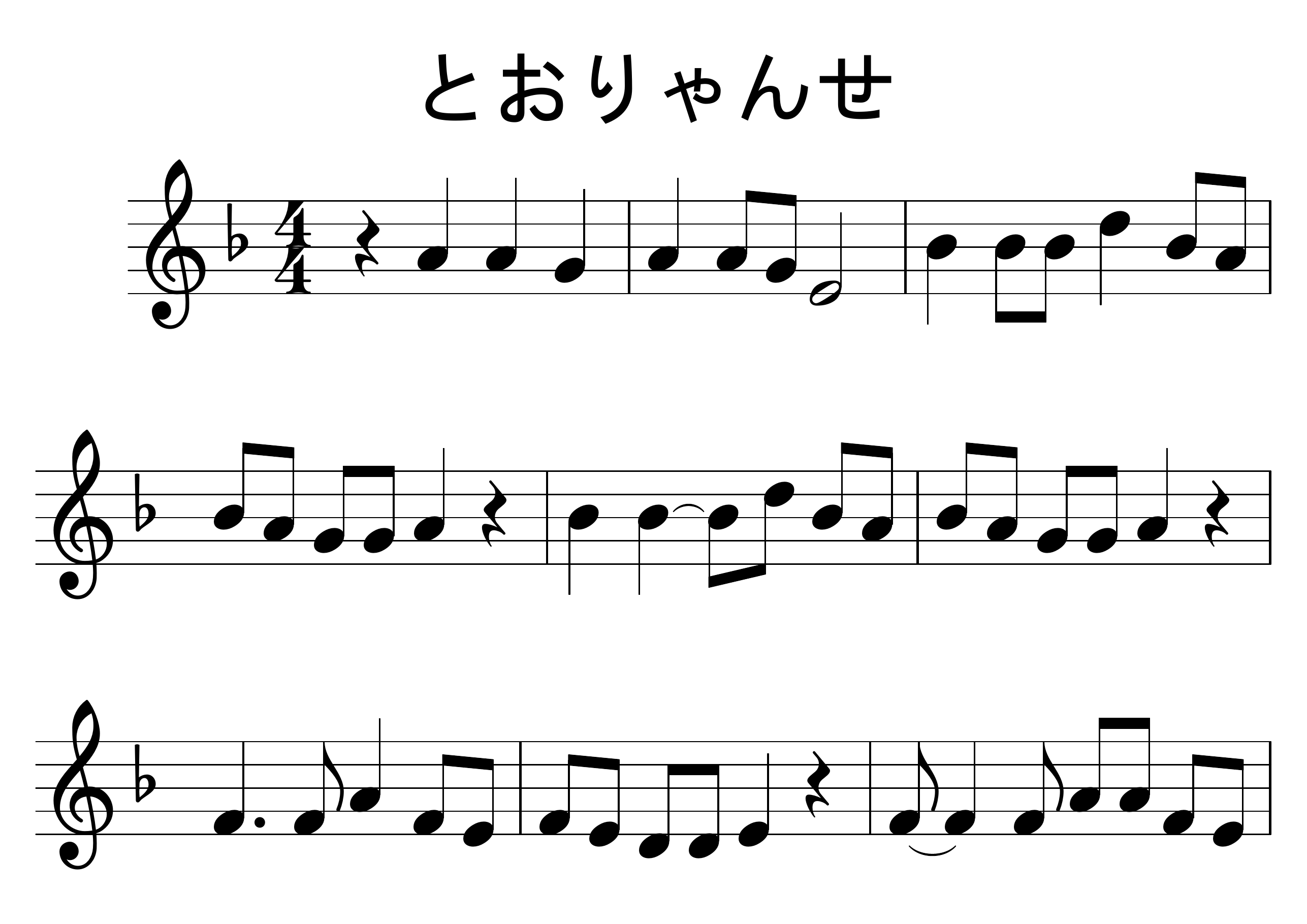
A traditional Japanese children’s song with distinctive melodic turns. Check the fingering in short groups, then connect them at one steady tempo.
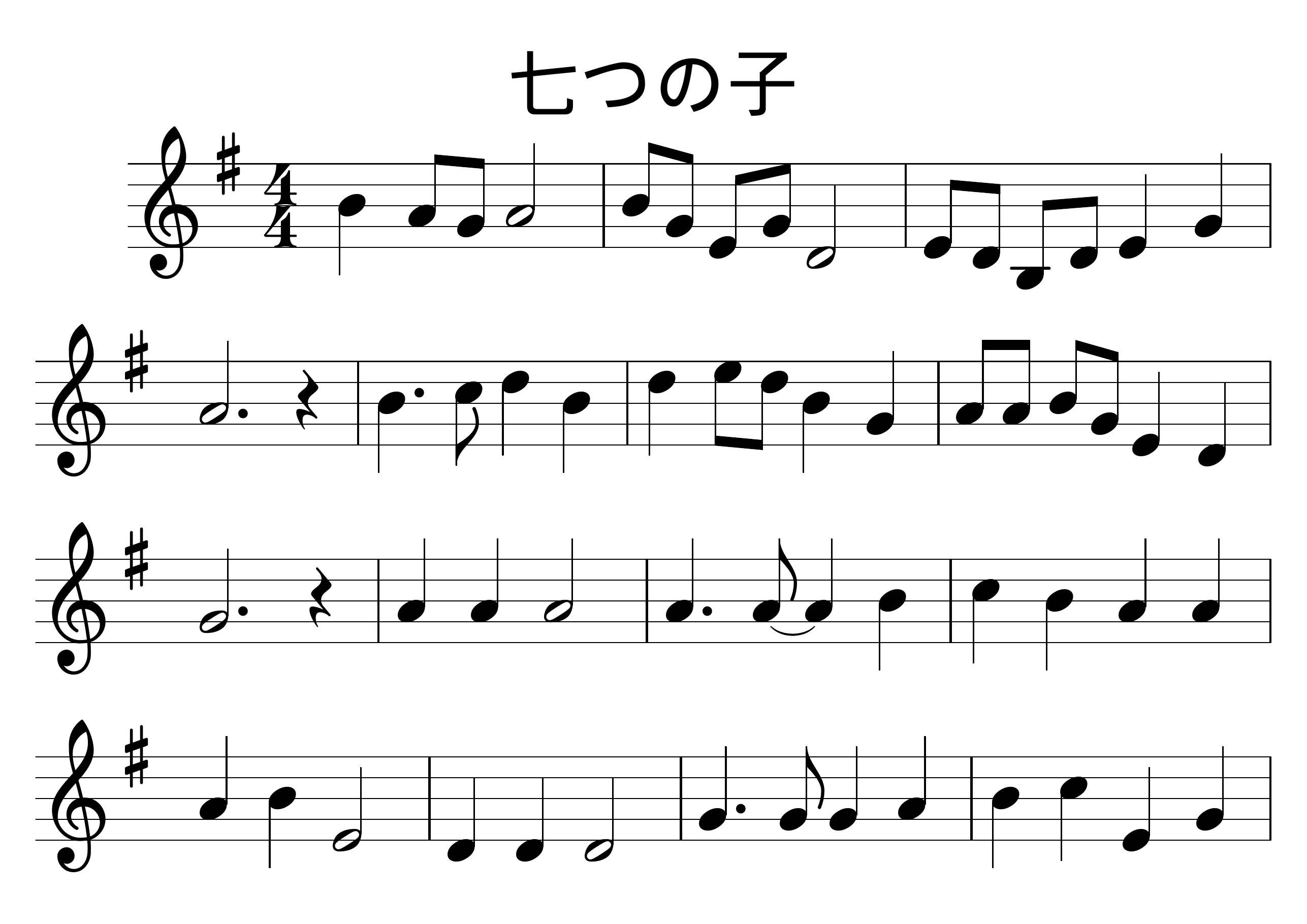
A tender Japanese children’s song with a storytelling character. Use a relaxed wrist to connect the small melodic rises and falls naturally.